Entry-Level CRE Job Openings Drop, Setting Up Talent Squeeze
The commercial real estate (CRE) sector is facing a significant challenge as entry-level job openings continue to decline. Over the past two years, there has been a marked decrease in opportunities for young professionals seeking to enter the industry. This trend poses a substantial barrier for those aiming to gain the skills and experience necessary for advancement.
According to data from real estate job site SelectLeaders, listings for positions requiring zero to four years of experience have dropped by 26% year-over-year as of May. This follows a 35% decline between May 2022 and 2023. Such reductions are exacerbated by a weak commercial real estate market, where entry-level roles are often the first to be outsourced to artificial intelligence or overseas workers.
Andy Hunt, director of the real estate program at Marquette University, likens the situation to a “glass-half-empty version of the Goldilocks story,” where prolonged uncertainty stifles decision-making, impacting entry-level hiring more than other areas.
Many firms have been more conservative when hiring for CRE roles, due to an industry slowdown.
The impact of this decline is uneven across the industry. While some sectors and regions, such as asset management in Florida or Texas, continue to offer opportunities, others, particularly transaction or financing roles in the Midwest, are experiencing hiring freezes. BGO Chief Economist Ryan Severino notes that several large CRE organizations have halted hiring altogether.
Collete English Dixon, executive director of the Marshall Bennett Institute of Real Estate at Chicago’s Roosevelt University, emphasizes the importance of finding niches where students can excel, despite the broader hiring challenges.
Technology, especially AI, looms large over the hiring landscape. As AI’s capabilities expand, tasks traditionally handled by entry-level workers may increasingly fall to automation. English Dixon warns of the need to balance teaching fundamentals with preparing students for an AI-driven future.
Hiring trends have placed Gen Z applicants for CRE roles in a tough position.
The current hiring environment is particularly challenging for recent college graduates. At the University of Central Florida, only half of the 100 real estate graduates have secured positions through internships, while another 25 have job offers through other means. At Marquette University, about 60% of the recent class of 40 real estate students have jobs lined up, with many still searching.
RCLCO Management Consulting Practice Managing Director Ellen Klasson highlights the potential long-term impact of starting a career in a challenging environment, noting that the conditions at the beginning of one’s career can influence the entire trajectory.
For more insights on this topic, you can read the full article on Bisnow.
More Articles
Getting licensed or staying ahead in your career can be a journey—but it doesn’t have to be overwhelming. Grab your favorite coffee or tea, take a moment to relax, and browse through our articles. Whether you’re just starting out or renewing your expertise, we’ve got tips, insights, and advice to keep you moving forward. Here’s to your success—one sip and one step at a time!
AI-powered sentiment analysis is giving real estate investors a major edge by scanning millions of online conversations to detect market shifts long before traditional data responds. From predicting neighborhood momentum to spotting declining tenant satisfaction, this technology captures real-time public emotion across office, retail, and multifamily sectors. As trends in sentiment become as important as demographics and NOI, professionals who understand these tools will stay ahead of the next market move.
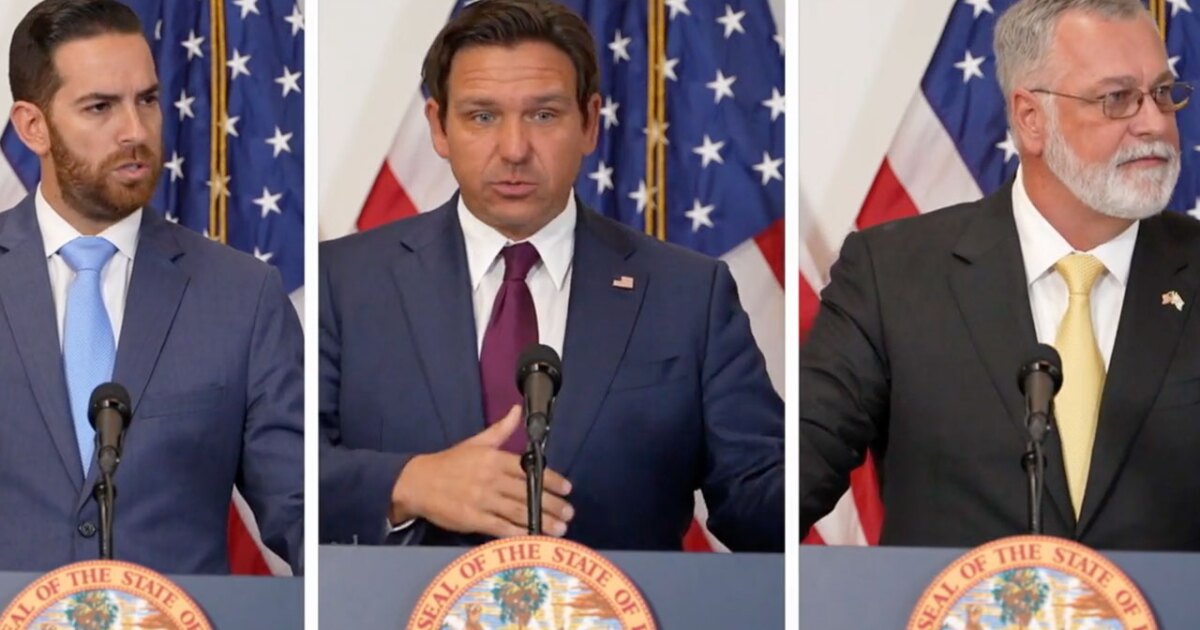
Florida lawmakers are racing toward a high-stakes finish to the legislative session as a sweeping property tax overhaul triggers fierce debate. The House is pushing to eliminate most non-school property taxes on primary homes, while the Senate urges caution and Gov. Ron DeSantis floats even bigger changes. With Democrats warning of budget crises and only weeks left to strike a deal, the future of Florida’s tax structure—and its real estate market—hangs in the balance.
Florida homeowners are getting rare financial relief as the emergency insurance assessment—added after multiple insurers collapsed post‑Hurricane Ian—has been paid off two years early. The early payoff wipes out the charge of about $30 per household per year and delivers more than $650 million in statewide savings. With the insurance market stabilizing faster than expected, real estate and insurance professionals can expect a slightly more favorable environment for buyers and policyholders alike.
After years of pandemic‑driven disruption, rising vacancies, and interest‑rate volatility, confidence is finally returning to commercial real estate. Major analysts report that leasing activity is accelerating, investor appetite is rising, and high‑quality properties are leading the rebound. With investment volumes expected to jump and vacancies beginning to fall, 2026 is shaping up to be the long‑awaited turning point for the industry.
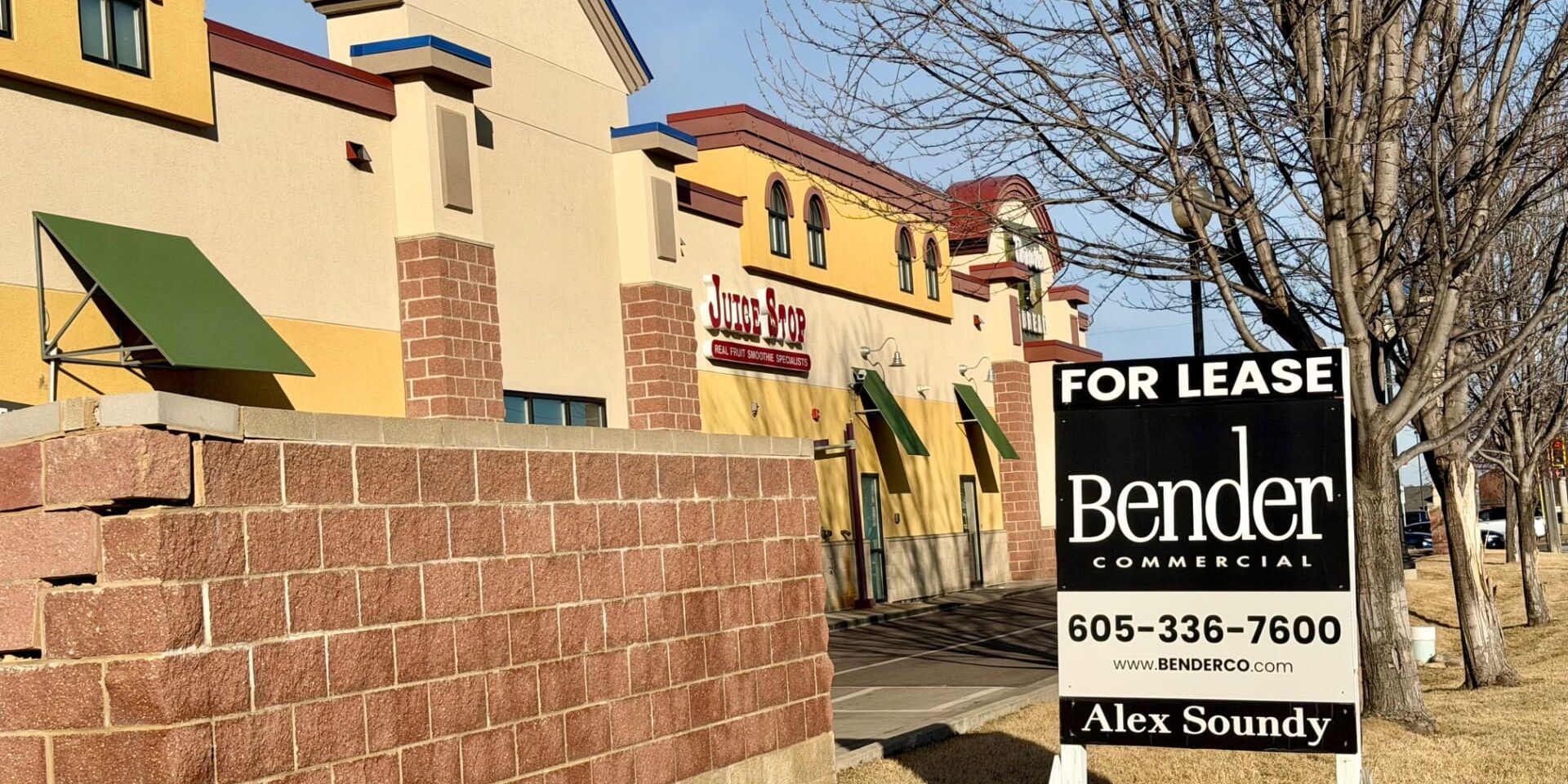
Sioux Falls enters 2026 with a commercial real estate market outperforming nearly every regional competitor. Fueled by strong fundamentals, major private investment, and confidence across all sectors, the city is positioned for what experts call “white‑hot economic activity.” From booming land sales and rising retail absorption to stabilizing office and industrial sectors, the metro’s momentum is undeniable—making it a prime environment for real estate professionals and investors looking for opportunity.
Florida lawmakers have advanced HB 767, a major insurance transparency bill that would create a statewide online rate database, boost consumer education, and prevent insurers from using land value to inflate premiums. The proposal promises clearer insurance data and stronger accountability—bringing much‑needed relief and insight to homeowners, real estate agents, mortgage professionals, and insurance producers across the state.