ETH Zurich’s Impact Printing: A Breakthrough in Sustainable Construction
The innovative team at ETH Zurich is making waves in the construction world with their new method, Impact Printing. This groundbreaking technique utilizes Earth-based materials, such as sand, silt, clay, and gravel, to construct environmentally friendly structures. As detailed in their publication in Springer Nature, Impact Printing promises to be a greener and more cost-effective alternative to traditional 3D printing methods.
ETH Zurich’s research team, guided by Lauren Vasey, a prominent SNSF Bridge Fellow, has developed a method to turn materials excavated from construction sites into usable building products. By avoiding cement and opting for locally-sourced materials, they achieve significantly lower carbon emissions. Impressively, the materials used in Impact Printing require minimal additives, cutting the need for cement and enhancing sustainability.
This process involves a robotic tool that, guided by a digital blueprint, applies Earth-based material layers at high speeds, creating robust structures without needing chemical stabilizers. Despite using a small percentage of mineral stabilizers, the ETH Zurich team aims to eliminate these for a fully recyclable construction method.
The research indicates that structures built using Impact Printing can support substantial weight from the start, offering advantages in structural integrity and environmental impact. Using this technology, the team has successfully erected walls up to 6.5 feet tall, showcasing the method’s practicality in real-world applications.
Beyond ETH Zurich, a global wave of research is similarly focused on sustainable construction practices. For example, the University of Virginia is developing a sustainable concrete alternative using graphene and limestone-calcined clay, showing significant environmental benefits. Meanwhile, Berlin’s TU and Brunel University are enhancing 3D printing concrete by incorporating recycled materials, revealing steps toward more sustainable construction.
The ultimate vision involves developing a prefabrication facility to bring Impact Printing technology to the market, bridging the gap between innovative research and practical construction solutions. If successful, it could significantly transform the industry, presenting a viable alternative to current 3D printing methods, reducing the environmental footprint and offering more sustainable urban development solutions.
More Articles
Getting licensed or staying ahead in your career can be a journey—but it doesn’t have to be overwhelming. Grab your favorite coffee or tea, take a moment to relax, and browse through our articles. Whether you’re just starting out or renewing your expertise, we’ve got tips, insights, and advice to keep you moving forward. Here’s to your success—one sip and one step at a time!
With each passing year, the threat of wildfires looms larger, fueled by the relentless march of climate change. AI technologies are emerging as game-changers in wildfire detection and management, providing real-time identification and valuable insights.
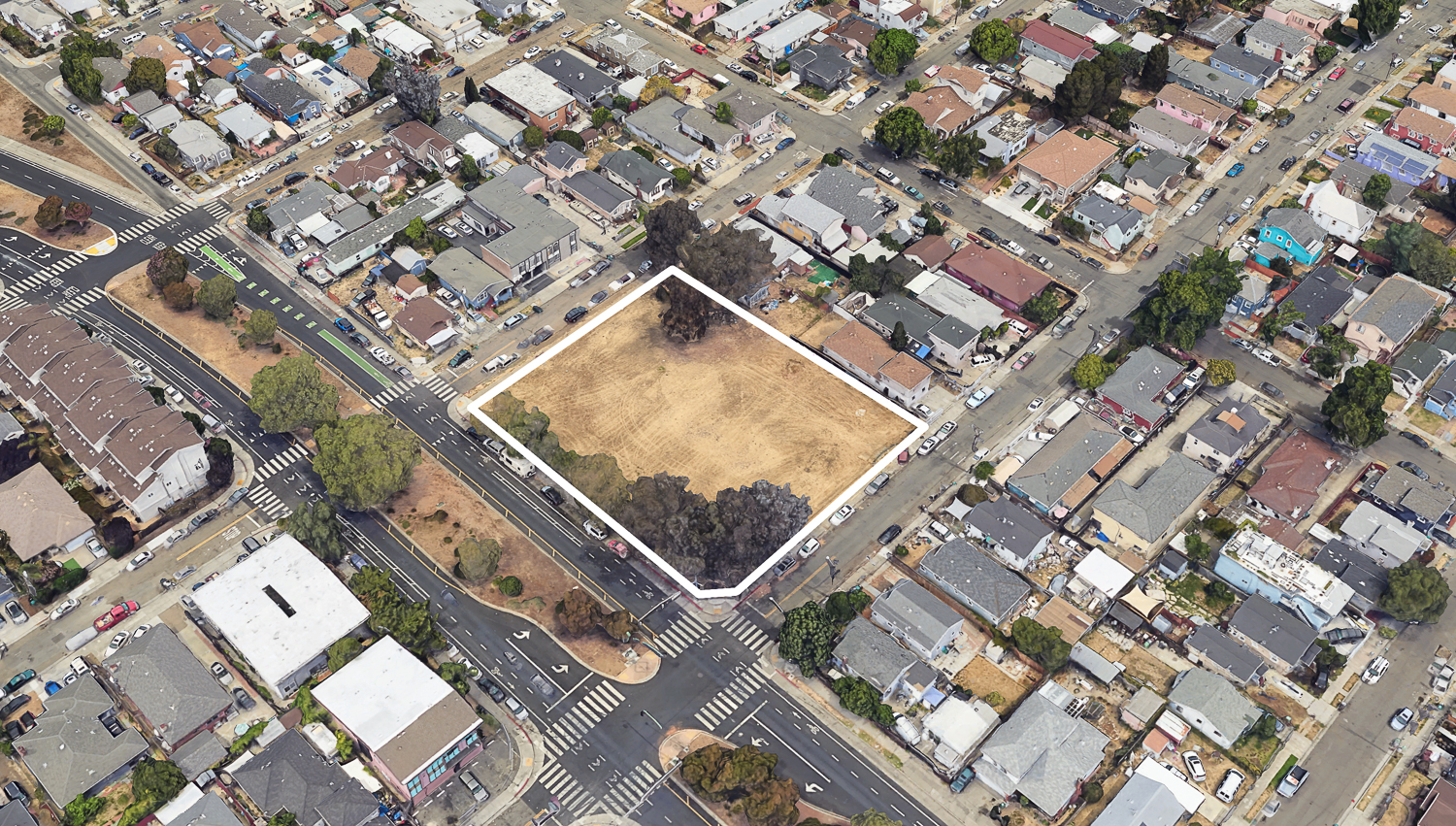
Eden Housing's proposal is part of a broader initiative to redevelop the underutilized land surrounding the Eastmont Town Center, a hub for shopping and social services in East Oakland.
In the heart of California, a state renowned for its innovation and economic prowess, a housing crisis looms large. The demand for housing far exceeds the supply, leading to skyrocketing costs and a severe affordability gap.
The housing market in 2024 continues to be a battleground, with sellers maintaining the upper hand due to persistently low inventory levels. Despite a slight dip in mortgage rates, which have decreased to 7.09% from their peak, they remain high enough to deter potential buyers.
The ongoing struggles in commercial real estate underscore the need for banks to adapt and innovate in response to evolving market conditions. As the sector navigates these challenges, the focus remains on strategic maneuvers and legislative considerations that will shape its future trajectory.
The current housing landscape is bleak for many. In most American counties, even a modest one-bedroom apartment is out of reach for minimum-wage workers. The situation is exacerbated by the increasing influence of large financial firms in the housing market, leaving working families to compete in an unfair bidding war.