ETH Zurich’s Impact Printing: A Breakthrough in Sustainable Construction
The innovative team at ETH Zurich is making waves in the construction world with their new method, Impact Printing. This groundbreaking technique utilizes Earth-based materials, such as sand, silt, clay, and gravel, to construct environmentally friendly structures. As detailed in their publication in Springer Nature, Impact Printing promises to be a greener and more cost-effective alternative to traditional 3D printing methods.
ETH Zurich’s research team, guided by Lauren Vasey, a prominent SNSF Bridge Fellow, has developed a method to turn materials excavated from construction sites into usable building products. By avoiding cement and opting for locally-sourced materials, they achieve significantly lower carbon emissions. Impressively, the materials used in Impact Printing require minimal additives, cutting the need for cement and enhancing sustainability.
This process involves a robotic tool that, guided by a digital blueprint, applies Earth-based material layers at high speeds, creating robust structures without needing chemical stabilizers. Despite using a small percentage of mineral stabilizers, the ETH Zurich team aims to eliminate these for a fully recyclable construction method.
The research indicates that structures built using Impact Printing can support substantial weight from the start, offering advantages in structural integrity and environmental impact. Using this technology, the team has successfully erected walls up to 6.5 feet tall, showcasing the method’s practicality in real-world applications.
Beyond ETH Zurich, a global wave of research is similarly focused on sustainable construction practices. For example, the University of Virginia is developing a sustainable concrete alternative using graphene and limestone-calcined clay, showing significant environmental benefits. Meanwhile, Berlin’s TU and Brunel University are enhancing 3D printing concrete by incorporating recycled materials, revealing steps toward more sustainable construction.
The ultimate vision involves developing a prefabrication facility to bring Impact Printing technology to the market, bridging the gap between innovative research and practical construction solutions. If successful, it could significantly transform the industry, presenting a viable alternative to current 3D printing methods, reducing the environmental footprint and offering more sustainable urban development solutions.
More Articles
Getting licensed or staying ahead in your career can be a journey—but it doesn’t have to be overwhelming. Grab your favorite coffee or tea, take a moment to relax, and browse through our articles. Whether you’re just starting out or renewing your expertise, we’ve got tips, insights, and advice to keep you moving forward. Here’s to your success—one sip and one step at a time!
Florida’s property insurance system is once again spiraling as new “market-friendly” reforms fail to stabilize rising premiums, insurer failures, and mounting homeowner frustration. Despite aggressive efforts to shift policyholders from Citizens to private carriers, many of the new insurers stepping in are tied to past insolvencies, questionable ratings, and political influence. For real estate, mortgage, and insurance professionals, these systemic cracks are reshaping closings, valuations, and risk across the state—making it essential to stay ahead of ongoing regulatory and market shifts.
Commercial real estate is heading into a turning‑point year in 2026, driven by economic uncertainty, AI‑powered transformation, shifting demographics and rising portfolio risk. Insights from The Counselors of Real Estate highlight the top issues shaping the year ahead—from fiscal pressures and capital constraints to housing shortages, global volatility and the future of data‑driven decision‑making. For real estate, mortgage, insurance and finance professionals, these trends offer a clear roadmap for staying competitive and preparing for the next wave of industry change.
AI-powered tools, fraud protection systems, and smarter MLS integrations are sweeping through the real estate industry as major organizations adopt new technologies. From RealReports hitting its 50th partnership to BeachesMLS unveiling instant AI home visualizations and Doorify boosting security, professionals are seeing rapid advancements that promise sharper insights, safer transactions, and more efficient rental workflows. This evolving tech landscape underscores the importance of staying educated and adaptable — especially for agents preparing for a competitive, AI-enhanced 2025 market.
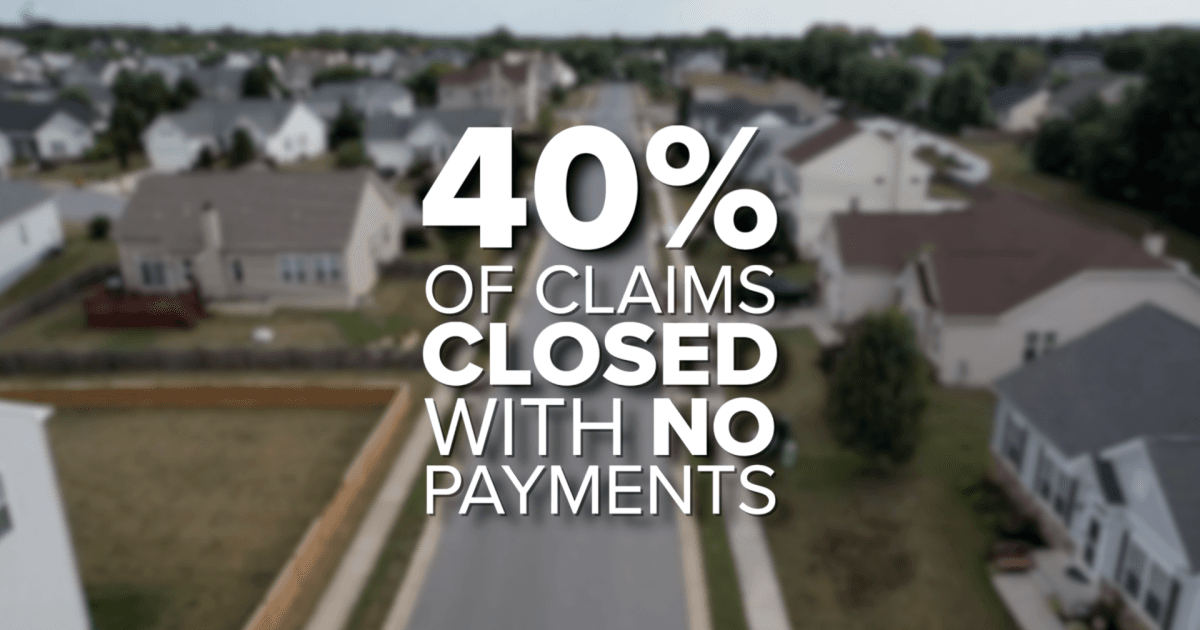
Florida homeowners are being hit with the highest insurance premiums in the nation, averaging $5,838 per year—nearly double the U.S. average. As costs skyrocket, many residents are reporting denied claims, non‑renewals, and impossible financial choices. New investigations reveal that more than 40 percent of claims in Florida close with no payment, while lawmakers push for transparency, fair pricing, and meaningful reform to stabilize a market that’s rapidly becoming unsustainable.
Vend Park, a Boston-based proptech company, has raised $17.5 million in Series A funding to reinvent parking as a high-performing commercial real estate asset. By replacing outdated operator–vendor systems with a unified AI-driven platform, Vend Park is helping major property owners boost NOI by up to 30%, slash operating costs, and modernize the tenant experience. As the company expands from three to fifteen cities and partners with giants like Nuveen and Jamestown, its technology highlights a major shift: real estate professionals must now understand AI, automation, and digital infrastructure to stay competitive.
Keller Williams Realty Atlanta Partners has formed an exclusive partnership with Southeast Mortgage, Georgia’s largest non‑bank mortgage lender. The collaboration promises faster, tech‑enhanced transactions for both agents and homebuyers, combining real estate expertise with streamlined mortgage services. This move reflects a growing trend toward integrated real‑estate ecosystems designed to reduce delays, boost transparency, and modernize the homebuying experience.