In a compelling examination published in
npj Digital Medicine, researchers have delved into the ethical landscape surrounding the deployment of
Large Language Models (LLMs) in healthcare. This systematic review highlights the dual nature of LLMs, which offer substantial benefits in data analysis and decision support but also raise significant ethical concerns.
Since the release of
ChatGPT by
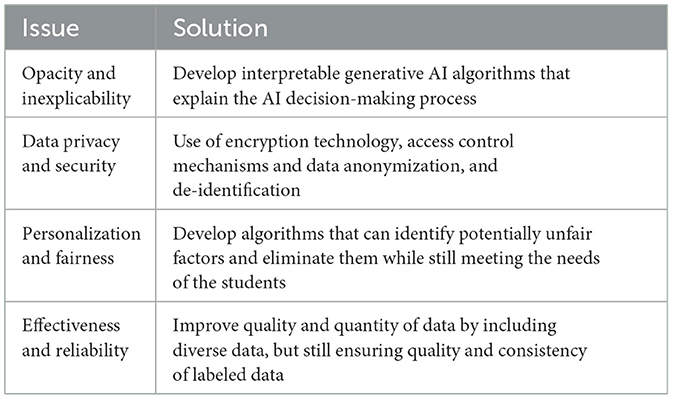
OpenAI in 2022, LLMs have rapidly expanded into healthcare, promising advancements in clinical decision-making, diagnosis, and patient communication. However, the review underscores persistent ethical challenges, including issues of
fairness,
bias,
transparency, and
privacy. These concerns underscore the pressing need for well-defined ethical guidelines and human oversight in medical applications.
Exploring Ethical Implications
The study identifies several core themes in the ethical use of LLMs. In clinical settings, LLMs hold potential for assisting in initial patient diagnosis and triage. Yet, there is apprehension about biases that may lead to incorrect diagnoses or treatment recommendations, highlighting the necessity for careful oversight by healthcare professionals.
Patient support applications of LLMs aim to improve health literacy and facilitate communication across language barriers. However, concerns about data privacy and the reliability of medical advice generated by these models remain significant.
Public Health Perspectives
From a broader public health perspective, the study warns of potential risks, such as the dissemination of misinformation and the concentration of AI capabilities in the hands of a few corporations. This could exacerbate existing health disparities and undermine public health efforts.
Ultimately, while LLMs present promising advancements in medical fields, ensuring their ethical deployment requires careful consideration. Addressing biases, enhancing transparency, and maintaining human oversight are crucial to mitigating potential harms and promoting equitable patient care.
For further insights, you can read the original article on
News-Medical. Additionally, the full study is available on
npj Digital Medicine.