In an era where technology intertwines seamlessly with healthcare, the ethical deployment of augmented intelligence (AI) stands as a cornerstone for future advancements. The American Medical Association (AMA) has recently shed light on this intricate dance between innovation and ethics, outlining pivotal strategies to ensure AI’s safe and ethical use in clinical settings.

The Ethical Landscape of AI in Healthcare


The potential of AI in healthcare is vast and varied, encompassing everything from informing clinical management to autonomously diagnosing diseases. A recent AMA survey revealed that nearly two-thirds of physicians recognize AI’s potential benefits. However, with great potential comes significant risk. The AMA highlights that AI’s integration must be guided by the fundamental principles of medical ethics: patient autonomy, beneficence, nonmaleficence, and justice. The risk of bias at any stage of AI development underscores the need for physician involvement to safeguard these principles.

Physicians’ Role in AI Implementation


Physicians are urged to engage actively with professional organizations to assess AI algorithms specific to their practice, ensuring that these tools align with clinical needs. Engaging in these assessments not only aids in the reliable adoption of AI but also aligns with the standard of care for medical interventions.

Continuous Learning and Vigilance


The AMA’s Ed Hub™ CME series serves as a resource for healthcare professionals to build knowledge and skills necessary for evaluating AI algorithms. Understanding when and how to apply AI, alongside evaluating its performance, is crucial for enhancing patient care.

Legal and Ethical Awareness


As the legal landscape surrounding AI evolves, it is imperative for healthcare professionals to stay informed about changes in laws and regulations. The AMA provides a detailed overview of current governance and regulation, emphasizing the importance of aligning practices with the most current requirements.

Ai in healthcare

Conclusion


The AMA’s efforts to make technology work for physicians reflect a dedication to ensuring that AI serves as an asset rather than a burden. By advocating for ethical and safe AI usage, the AMA paves the way for a future where technology and healthcare coexist harmoniously, benefitting both practitioners and patients.

More Articles

Getting licensed or staying ahead in your career can be a journey—but it doesn’t have to be overwhelming. Grab your favorite coffee or tea, take a moment to relax, and browse through our articles. Whether you’re just starting out or renewing your expertise, we’ve got tips, insights, and advice to keep you moving forward. Here’s to your success—one sip and one step at a time!

Unlocking Real Estate Wealth in 2025: Strategies for Success

Step into 2025, where the real estate market emerges as a resilient beacon amidst economic unpredictability. Investors are increasingly drawn to secondary cities like Austin and Manchester, attracted by their growth potential, affordability, and enhanced quality of life.

By |February 18, 2025|Categories: Article, Investment Strategies, Real Estate|Tags: , |0 Comments

AI and Urbanization Drive Home Services Market Growth

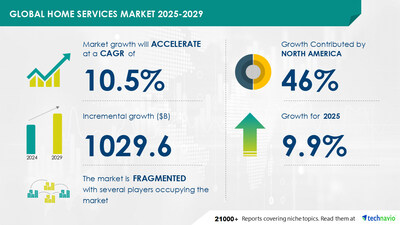
The global home services market is poised for significant growth, with projections indicating an increase of USD 1.03 trillion from 2025 to 2029. This forecasted expansion is attributed to increasing urbanization and the transformative impact of AI on market trends, according to a recent report by Technavio.

Decoding the U.S. Housing Crisis: A Study of Historic Policy Missteps and Demographic Shift

In a revealing study by USC, the roots of the current housing crisis in the United States are traced back to policy missteps and demographic changes that have been unfolding since the early 2000s. The study highlights how these factors have left millennials and people of color disproportionately affected.

Best Real Estate Crowdfunding Platforms for February 2025: Investopedia’s Top Picks

Fundrise stands out for offering investors a chance to diversify their portfolios with real estate exposure through proprietary funds. With a minimum investment as low as $10, it opens doors to beginners and seasoned investors alike.

Top Real Estate Investment Apps of 2025: A Guide for First-Time and Experienced Investors

Business Insider has reviewed a range of platforms available in 2025, focusing on key factors like fees, accessibility for accredited vs. non-accredited investors, and the types of real estate investments offered.