In an era where technology intertwines seamlessly with healthcare, the ethical deployment of augmented intelligence (AI) stands as a cornerstone for future advancements. The American Medical Association (AMA) has recently shed light on this intricate dance between innovation and ethics, outlining pivotal strategies to ensure AI’s safe and ethical use in clinical settings.

The Ethical Landscape of AI in Healthcare


The potential of AI in healthcare is vast and varied, encompassing everything from informing clinical management to autonomously diagnosing diseases. A recent AMA survey revealed that nearly two-thirds of physicians recognize AI’s potential benefits. However, with great potential comes significant risk. The AMA highlights that AI’s integration must be guided by the fundamental principles of medical ethics: patient autonomy, beneficence, nonmaleficence, and justice. The risk of bias at any stage of AI development underscores the need for physician involvement to safeguard these principles.

Physicians’ Role in AI Implementation


Physicians are urged to engage actively with professional organizations to assess AI algorithms specific to their practice, ensuring that these tools align with clinical needs. Engaging in these assessments not only aids in the reliable adoption of AI but also aligns with the standard of care for medical interventions.

Continuous Learning and Vigilance


The AMA’s Ed Hub™ CME series serves as a resource for healthcare professionals to build knowledge and skills necessary for evaluating AI algorithms. Understanding when and how to apply AI, alongside evaluating its performance, is crucial for enhancing patient care.

Legal and Ethical Awareness


As the legal landscape surrounding AI evolves, it is imperative for healthcare professionals to stay informed about changes in laws and regulations. The AMA provides a detailed overview of current governance and regulation, emphasizing the importance of aligning practices with the most current requirements.

Ai in healthcare

Conclusion


The AMA’s efforts to make technology work for physicians reflect a dedication to ensuring that AI serves as an asset rather than a burden. By advocating for ethical and safe AI usage, the AMA paves the way for a future where technology and healthcare coexist harmoniously, benefitting both practitioners and patients.


More Articles

Getting licensed or staying ahead in your career can be a journey—but it doesn’t have to be overwhelming. Grab your favorite coffee or tea, take a moment to relax, and browse through our articles. Whether you’re just starting out or renewing your expertise, we’ve got tips, insights, and advice to keep you moving forward. Here’s to your success—one sip and one step at a time!

Precision Medicine Market: A Tailored Approach Revolutionizing Healthcare

With increasing governmental and private investments, the demand for precision medicine is expected to rise steadily. The commitment to addressing chronic conditions, coupled with strategic industry collaborations and advanced diagnostic tools, will sustain market growth.

U.S. Wearable Medical Devices Market: Growth Trends and Future Prospects

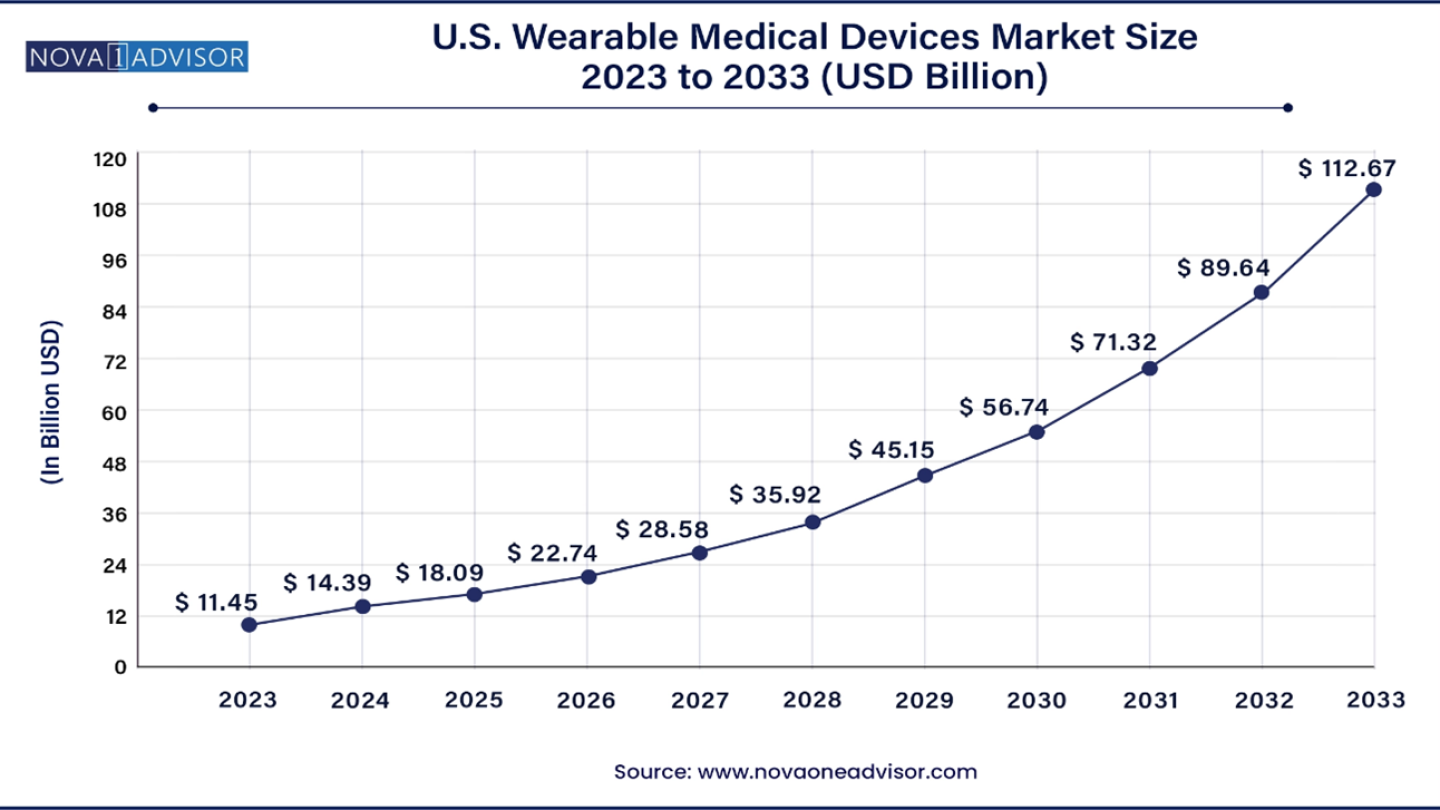
The U.S. wearable medical devices market, currently valued at an estimated $11.45 billion in 2023, is set to experience an astronomical rise to approximately $112.67 billion by 2033.

By |December 3, 2024|Categories: Article, Healthcare, Technology|Tags: |0 Comments

The Future of Real Estate Market: What Lies Ahead?

The real estate market is on the brink of transformation, captivating the attention of buyers, sellers, investors, and industry professionals. As we look toward the end of 2024, experts predict a shift in the landscape, particularly with home prices expected to decline due to increased inventory levels.

By |December 3, 2024|Categories: Article, Market Trends, Real Estate|Tags: , |0 Comments

Bridging the Healthcare Gap in Rural Areas with Telehealth

According to the World Health Organization (WHO), nearly two billion people in rural and remote areas worldwide lack access to essential healthcare solutions. This staggering statistic highlights a critical issue: the digital divide that limits telehealth services, primarily due to inadequate broadband access.

By |December 2, 2024|Categories: Article, Healthcare, Technology|Tags: , |0 Comments

Navigating Ethical Challenges: AI in Healthcare

As AI becomes a staple in medical practice, it carries the risk of reinforcing existing biases entrenched in historical data. These biases can lead to skewed outcomes, particularly affecting marginalized communities such as the LGBTQIA+ and certain ethnic groups.

By |December 2, 2024|Categories: Article, Ethics, Healthcare|Tags: , |0 Comments

New SCLC Biomarkers Enable Advances in Precision Medicine Approaches

A groundbreaking study published in Volume 15 of Oncotarget on October 11, 2024, titled 'Relationship between the expressions of DLL3, ASC1, TTF-1 and Ki-67: First steps of precision medicine at SCLC' showcases pivotal advancements in the fight against small cell lung cancer (SCLC).

By |December 2, 2024|Categories: Article, Cancer Treatment, Medical Research|Tags: , |0 Comments