Ever Wondered What a Second Donald Trump Presidency Could Mean for the Housing Market? Strap In.
We’ve all been there, scrolling through your feed at 2 AM, being bombarded with reaction videos. But have you ever wondered what we’d get if you created a reaction to, well, the future? Buckle up because today, we’re diving deep into the possible fallout of a Trump presidency on the U.S. housing market by 2025. Yes, we know, predicting the future can feel a bit like reading tea leaves, but if there’s one thing more unpredictable than the weather, it’s political economic policy. Still here? Good. Let’s dive into this rollercoaster of speculation.
The Context: Trump, Interest Rates, and a Housing Market that Never Sleeps
Now, before you snooze off (please don’t), here’s a quick refresher on why this is relevant. We’ve all been watching in fascination (and a wee bit of panic) as housing prices have shot through the roof—pun intended. Throw a Trump presidency into the mix, and we’re on a whole new wild ride. According to the transcript I’m reacting to, mortgage rates, which are already dancing around 7%, are expected to soar even higher.
Wait, what? Didn’t Trump campaign on lowering interest rates?
Yep! So, why the sudden spike? Something called the “Trump Trade.” Picture this: As Trump’s chances of winning the election rise, so do long-term interest rates. And as much as Trump, the businessman, is all about cutting rates, his fiscal policies and that infamous tariff-loving streak might do the exact opposite. It’s kind of like saying you’re on a diet, but then eating a pizza. The paradox is real, folks.
My Take: “Pro-Business” Magic? Or a Bigger Bubble?
Part of me kinda likes the idea of optimism encouraging more home-buying. After all, who doesn’t want more people experiencing that sweet joy of home ownership (and the not-so-sweet mortgage payments that come with it)? And, yeah, Trump did inspire some confidence in the housing market years ago. Back when he took office in 2016, mortgage applications spiked like crazy—like everyone suddenly had FOMO and decided that immediately after the election was the golden moment to buy a house.
But—and it’s a big ol’ BUT—circumstances now are a bit like comparing apples to, well, exploding apples. Affordability? She doesn’t live here anymore. In 2016, the monthly cost to own a home was a breezy $1,200. Fast forward to our current nightmare, and it’s skyrocketed to $2,800. Considering most people now have to chuck away 40% of their income just to make mortgage payments? Yeah. Just casually marrying yourself to a mortgage sounds a bit like economic masochism right now.
Analysis: Déjà Vu or New Housing Bubble?
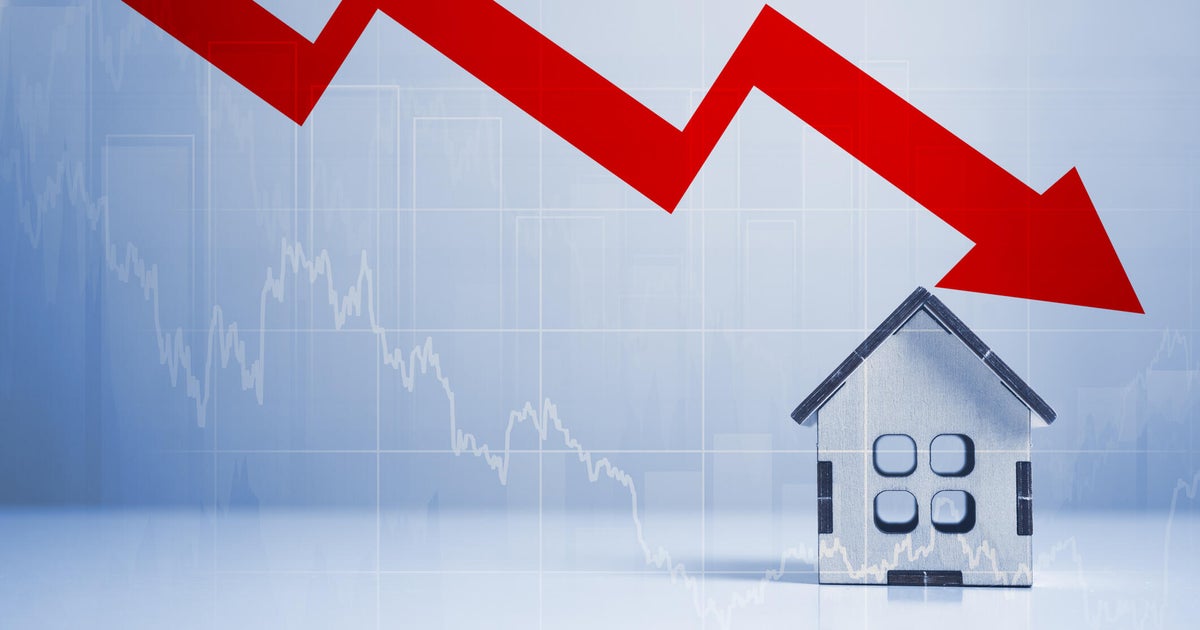
This transcript really got me thinking, though—especially about past housing market trends. Remember 2008? You know, the year that brought us the housing crash that soon led you to memorize budgets like your life depended on it. Well, we might be edging towards a repeat—at least according to the icy (pun intended) foreclosure data mentioned in the transcript. Apparently, early-stage delinquencies on mortgages are reaching levels we haven’t seen since that frosty collapse of ‘08.
Want to hear something even more terrifying? There’s this HUGE backlog of foreclosures that’s just waiting for its moment, like the villain creeping around in the third act of a horror movie.
Unlike the pandemic-induced moratorium (which plastered over the cracks), these foreclosed properties aren’t going to wait forever. And Trump, being significantly less hands-on when it comes to economic interventions, might lift the lid on that foreclosure jar. Imagine that—your neighbor defaults and suddenly there’s a “For Sale” sign on every block.
A more laissez-faire approach from a Trump presidency might result in all those distressed homes hitting the market, accelerating price drops. But here’s the thing: housing markets thrive on more buying, not just selling, unless it’s your goal to create the biggest game of Monopoly ever.
What About the FED: The Trump-Powell Smackdown (Sequel)
Now, let’s pivot to the ultimate showdown: Trump vs. Jerome Powell (again). If you didn’t catch the live-action drama during Trump’s first presidency, let me remind you that Trump was not Powell’s biggest fan. He basically blasted the guy on Twitter like Powell was some contestant on The Celebrity Apprentice who messed up the boardroom task.
Trump already pressured Powell back in 2018 and 2019 to cut rates. Will history repeat itself if the same two characters enter the ring in 2025?
I can already picture Trump tweeting at the FED from the Oval Office about “disastrous rate policies.” But will Powell cave again? Seeing as higher interest rates could continue squeezing not just buyers but investors as well, this tug-of-war could be a major game-changer. The longer interest rates stay up, the more painful it gets for anyone using debt as a crutch—more so considering we’re already feeling like the band-aid is getting ripped off too slowly.
So, Is it Time to Panic?
Ah, panic. That comforting blanket you throw on when the economy takes wild swings. But fret not! As the transcript emphasizes, the macro news—interest rates, the FED, Trump’s policies—certainly matters, but don’t overlook what’s happening locally. It’s often the neighborhood-level fundamentals that will make or break the decision to buy or invest in the real estate market. Maybe it’s time you start paying attention to “cap rates” and other key indicators that can guide your real estate Game of Thrones strategy.
What Do You Think? The Future, Politics, and Your Pocket
So, after this rollercoaster journey through what a Trump presidency could spell for home buyers, sellers, and renters alike, what do you think? Would you hold off on buying that dream house and risk waiting to see a burst bubble in 2025—or do you think Trump could rally some much-needed optimism that might stabilize prices even with the foreclosures coming?
I’m curious—where are YOU at in your housing journey? Drop your thoughts below! Let’s build this little community of fellow housing-market watchers and maybe, just maybe, we’ll get through 2025 together with a bit fewer gray hairs.
Oh, and before I forget—if you’re a real estate nerd (like me, c’mon, it’s cool), go check out ReVenture’s app. It’s like Zillow on steroids, giving you juicy details on everything from cap rates to market trends, and might just help you dodge some of those lurking 2025 pitfalls. 🌪️🏠