In a recent analysis from the National Association of REALTORS®, the housing market is showing signs of evolution, yet significant challenges remain. After years of stagnant inventory, housing supply is finally on the rise, with a nearly 20% increase from the previous year. This uptick, largely a result of the construction boom during the COVID-19 pandemic, has led to modest improvements in affordability across several markets.
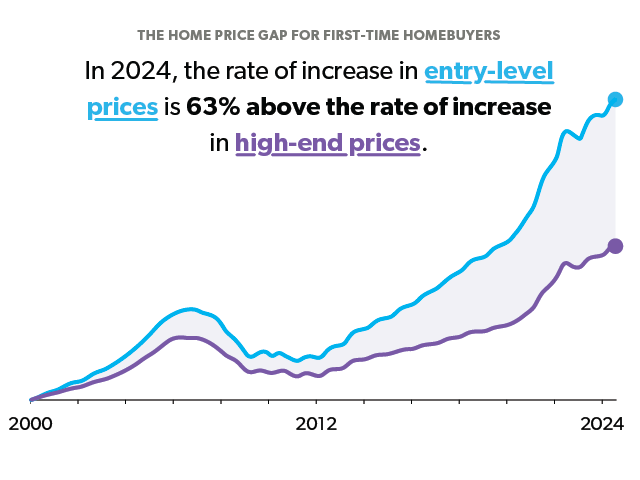
However, as the report highlights, the benefits of increased inventory are not evenly distributed. While middle-income buyers have seen some relief, with affordable listings rising slightly to 21.2% from 20.8% in March 2024, the gap remains substantial. In contrast, lower-income households face a worsening situation, with fewer affordable options than a year ago.
The analysis provides a real-time snapshot of housing availability, focusing on current listings and what different income groups can afford. It categorizes local markets into three distinct groups:
- Areas Getting Closer to Balance: Markets where availability of affordable homes has improved significantly.
- Areas Stuck in the Middle: Markets where supply and demand are misaligned but not at crisis levels.
- Areas Falling Further Behind: Markets where the gap from a balanced market continues to grow.
For middle-income earners, particularly those earning between $75,000 and $100,000 annually, the situation is slightly better. Yet, they are still shut out of more than half of the homes for sale today. The report suggests that to achieve a balanced market, a significant increase in listings priced below $255,000 is necessary.
Moreover, the report emphasizes the need for targeted strategies to address these imbalances. Solutions proposed include zoning reform, expanding down-payment assistance, and increasing entry-level home construction. These strategies aim to ensure that future housing-supply growth aligns with actual demand, particularly for those most in need of affordable options.
The full report offers a comprehensive view of the current housing landscape, underscoring the importance of a multifaceted approach to solving the persistent housing shortage in the U.S.
Ultimately, while the rise in inventory is a positive development, the market is far from a full recovery. As the report concludes, the path to a truly healthy housing market requires intentional efforts to build the right homes, at the right prices, and in the right places.