Exploring Innovative Strategies for Managing Student Loan Payments
In a landscape where student loan debt is a growing concern, borrowers are exploring creative methods to manage their financial obligations. According to EducationData.org’s 2023 report, the average federal student loan borrower owes $37,574, while private borrowers face an even steeper average of $54,921. With these daunting figures, many are considering unconventional methods to ease their financial burden.
Contact Your Lender
For those with private loans, reaching out to your lender can reveal whether credit card payments are an option. While not all lenders offer this flexibility, some do, providing a possible avenue for managing payments more conveniently.
Utilize Third-Party Payment Platforms
Federal student loan borrowers might consider third-party platforms like PaySimply and Plastiq. These services enable payments via credit card by converting them into wire transfers or cash equivalents, although fees ranging from 2.5% to 3% can offset any potential rewards benefits.
Consider a Balance Transfer
For those nearing the end of their loan term, transferring the balance to a 0% APR balance transfer credit card could be a viable option. This method can provide an interest-free period of up to 21 months, though it comes with a transfer fee of 2% to 3%.
Creative Budgeting
A strategic approach involves reallocating expenses. For example, paying for groceries with a credit card can free up cash for student loan payments, achieving the same financial effect without direct loan charges.
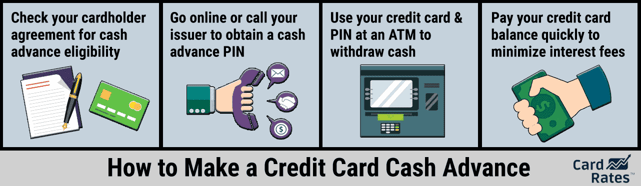
Cash Advances
While not ideal due to high APR rates and immediate interest accrual, cash advances can be a last-resort option. Borrowers should weigh the costs carefully before proceeding.
Explore Deferment and Forbearance
Federal loan holders should explore deferment and forbearance options, which offer payment relief without credit damage. Private lenders may also provide hardship plans, though these vary by institution.
While these strategies can provide temporary relief, borrowers must remain vigilant about the potential pitfalls, such as high interest rates and the risk of accumulating more debt. The original article by Erica Sandberg on CardRates.com emphasizes the importance of informed financial decisions and responsible credit management.
CSS for Styling
“`css
h3 {
color: #b40101;
margin-bottom: 20px;
}
h4 {
color: #b40101;
margin-top: 30px;
margin-bottom: 10px;
}
p {
margin-bottom: 15px;
}
b {
color: #b40101;
}
a {
color: #b40101;
text-decoration: none;
}
a:hover {
text-decoration: underline;
}
img {
margin: 20px 0;
max-width: 100%;
height: auto;
}
“`
This approach ensures that borrowers are equipped with the knowledge to navigate their financial landscape effectively, prioritizing both short-term relief and long-term financial health.
Getting licensed or staying ahead in your career can be a journey—but it doesn’t have to be overwhelming. Grab your favorite coffee or tea, take a moment to relax, and browse through our articles. Whether you’re just starting out or renewing your expertise, we’ve got tips, insights, and advice to keep you moving forward. Here’s to your success—one sip and one step at a time!
A fast‑growing Israeli startup called Agora is reshaping how real estate investment firms operate by replacing outdated spreadsheets and scattered emails with a seamless digital platform. Built by former military intelligence technologists, Agora centralizes investor onboarding, reporting, financial tracking and communication—giving firms a modern backbone for managing complex portfolios. As proptech adoption accelerates worldwide, understanding tools like Agora is becoming essential knowledge for new and seasoned real estate professionals alike.
Canada remains one of the fastest and most accessible places to launch a real estate career, with no university degree required and most provinces offering licensing timelines under a year. This guide breaks down every major step—eligibility, education, exams, brokerage registration, and income expectations—while comparing requirements across Ontario, BC, Alberta, and Quebec. It also highlights what truly separates successful agents from those who leave the profession: consistent prospecting, strong preparation, and long-term discipline.
The 2026 housing market is starting off with colder-than-usual activity but warmer opportunities for buyers. Mortgage rates have dipped nearly a full percentage point from last year, inventory is slowly increasing, and competition is easing just enough to give buyers more leverage. While prices are still rising, the pace has cooled, and motivated sellers are becoming more flexible. Whether you're planning to buy or preparing clients as a real estate professional, the key message remains the same: the right time to purchase depends far more on your financial readiness than on headline noise.
More landlords than ever are turning to LLCs to protect their assets, streamline operations, and unlock tax advantages. An LLC can separate your personal finances from your rental business, provide liability protection, and offer valuable tax benefits. This article breaks down what LLCs do for landlords, how they affect taxes, the benefits they bring, and the best practices for setting one up in 2025—giving real estate professionals and investors a clear, practical guide for making the right decision.
Florida lawmakers have approved Sen. Joe Gruters proposal to push more commercial properties from Citizens Property Insurance into the private market. The bill tightens eligibility rules, expands the clearinghouse process, and could shift about 25 billion dollars in risk to private carriers. Supporters say the change reduces taxpayer exposure after major storms, while opponents worry about relying more on the less-regulated surplus lines market. The measure now heads to Gov. Ron DeSantis for final approval.
Wire fraud has evolved into a major danger for Florida real estate transactions, with criminals hijacking email accounts, impersonating buyers and sellers, and creating fake title company websites. First‑time buyers are especially vulnerable, and losses often occur right before closing when emotions are high. Experts warn that nearly all wire fraud can be prevented with proper verification, secure communication, and professional training—making education a critical defense for today’s real estate professionals.