Exploring Innovative Strategies for Managing Student Loan Payments
In a landscape where student loan debt is a growing concern, borrowers are exploring creative methods to manage their financial obligations. According to EducationData.org’s 2023 report, the average federal student loan borrower owes $37,574, while private borrowers face an even steeper average of $54,921. With these daunting figures, many are considering unconventional methods to ease their financial burden.
Contact Your Lender
For those with private loans, reaching out to your lender can reveal whether credit card payments are an option. While not all lenders offer this flexibility, some do, providing a possible avenue for managing payments more conveniently.
Utilize Third-Party Payment Platforms
Federal student loan borrowers might consider third-party platforms like PaySimply and Plastiq. These services enable payments via credit card by converting them into wire transfers or cash equivalents, although fees ranging from 2.5% to 3% can offset any potential rewards benefits.
Consider a Balance Transfer
For those nearing the end of their loan term, transferring the balance to a 0% APR balance transfer credit card could be a viable option. This method can provide an interest-free period of up to 21 months, though it comes with a transfer fee of 2% to 3%.
Creative Budgeting
A strategic approach involves reallocating expenses. For example, paying for groceries with a credit card can free up cash for student loan payments, achieving the same financial effect without direct loan charges.
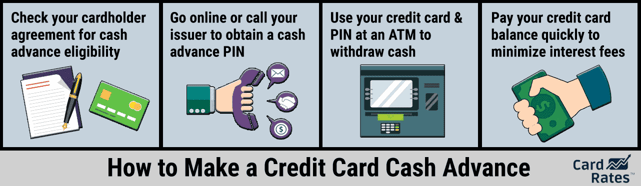
Cash Advances
While not ideal due to high APR rates and immediate interest accrual, cash advances can be a last-resort option. Borrowers should weigh the costs carefully before proceeding.
Explore Deferment and Forbearance
Federal loan holders should explore deferment and forbearance options, which offer payment relief without credit damage. Private lenders may also provide hardship plans, though these vary by institution.
While these strategies can provide temporary relief, borrowers must remain vigilant about the potential pitfalls, such as high interest rates and the risk of accumulating more debt. The original article by Erica Sandberg on CardRates.com emphasizes the importance of informed financial decisions and responsible credit management.
CSS for Styling
“`css
h3 {
color: #b40101;
margin-bottom: 20px;
}
h4 {
color: #b40101;
margin-top: 30px;
margin-bottom: 10px;
}
p {
margin-bottom: 15px;
}
b {
color: #b40101;
}
a {
color: #b40101;
text-decoration: none;
}
a:hover {
text-decoration: underline;
}
img {
margin: 20px 0;
max-width: 100%;
height: auto;
}
“`
This approach ensures that borrowers are equipped with the knowledge to navigate their financial landscape effectively, prioritizing both short-term relief and long-term financial health.
More Articles
Getting licensed or staying ahead in your career can be a journey—but it doesn’t have to be overwhelming. Grab your favorite coffee or tea, take a moment to relax, and browse through our articles. Whether you’re just starting out or renewing your expertise, we’ve got tips, insights, and advice to keep you moving forward. Here’s to your success—one sip and one step at a time!
Stepping into homeownership is a significant financial milestone, especially when you're setting your sights on a $700,000 property. This comprehensive guide will demystify the financial aspects of homeownership, breaking down the income requirements, the mortgage process, and the additional costs involved. Whether you're a first-time homebuyer or looking to upgrade your current home, this article will equip you with valuable insights to navigate your journey towards owning your dream home. To chart your course towards homeownership, it's crucial to understand the 28/36 rule. This financial principle suggests that no more than 28% of your total monthly income should be allocated towards your monthly housing costs, and no more than 36% should be dedicated to overall debt payments. Adhering to this guideline ensures a healthy balance between your housing expenses and other financial commitments, paving the way for a secure financial future.
Whether you're looking to enhance your one-on-one consultations or envision creating comprehensive courses and materials, choosing the right online platform can dramatically impact your coaching journey as a real estate professional.
Cameron Academy provides insight into the performance of nonbank mortgage lenders, the Goldilocks moment in servicing and originations, and the changing landscape for smaller lenders. Learners gain a strategic understanding of the evolving real estate and mortgage industry.
"Cameron Academy's courses empower professionals to navigate Mortgage Industry Performance 2023's challenges. We cover key aspects such as 'Improving Credit Score for Borrowers', the impact of 'FHFA Proposed Changes', the revolutionary 'CreditXpert's Predictive Analytics Platform', and the crucial role of 'Engaging Borrowers Early'."