Exploring Innovative Strategies for Managing Student Loan Payments
In a landscape where student loan debt is a growing concern, borrowers are exploring creative methods to manage their financial obligations. According to EducationData.org’s 2023 report, the average federal student loan borrower owes $37,574, while private borrowers face an even steeper average of $54,921. With these daunting figures, many are considering unconventional methods to ease their financial burden.
Contact Your Lender
For those with private loans, reaching out to your lender can reveal whether credit card payments are an option. While not all lenders offer this flexibility, some do, providing a possible avenue for managing payments more conveniently.
Utilize Third-Party Payment Platforms
Federal student loan borrowers might consider third-party platforms like PaySimply and Plastiq. These services enable payments via credit card by converting them into wire transfers or cash equivalents, although fees ranging from 2.5% to 3% can offset any potential rewards benefits.
Consider a Balance Transfer
For those nearing the end of their loan term, transferring the balance to a 0% APR balance transfer credit card could be a viable option. This method can provide an interest-free period of up to 21 months, though it comes with a transfer fee of 2% to 3%.
Creative Budgeting
A strategic approach involves reallocating expenses. For example, paying for groceries with a credit card can free up cash for student loan payments, achieving the same financial effect without direct loan charges.
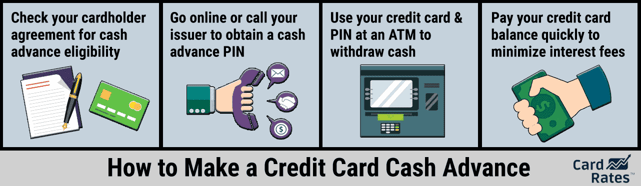
Cash Advances
While not ideal due to high APR rates and immediate interest accrual, cash advances can be a last-resort option. Borrowers should weigh the costs carefully before proceeding.
Explore Deferment and Forbearance
Federal loan holders should explore deferment and forbearance options, which offer payment relief without credit damage. Private lenders may also provide hardship plans, though these vary by institution.
While these strategies can provide temporary relief, borrowers must remain vigilant about the potential pitfalls, such as high interest rates and the risk of accumulating more debt. The original article by Erica Sandberg on CardRates.com emphasizes the importance of informed financial decisions and responsible credit management.
CSS for Styling
“`css
h3 {
color: #b40101;
margin-bottom: 20px;
}
h4 {
color: #b40101;
margin-top: 30px;
margin-bottom: 10px;
}
p {
margin-bottom: 15px;
}
b {
color: #b40101;
}
a {
color: #b40101;
text-decoration: none;
}
a:hover {
text-decoration: underline;
}
img {
margin: 20px 0;
max-width: 100%;
height: auto;
}
“`
This approach ensures that borrowers are equipped with the knowledge to navigate their financial landscape effectively, prioritizing both short-term relief and long-term financial health.
More Articles
Getting licensed or staying ahead in your career can be a journey—but it doesn’t have to be overwhelming. Grab your favorite coffee or tea, take a moment to relax, and browse through our articles. Whether you’re just starting out or renewing your expertise, we’ve got tips, insights, and advice to keep you moving forward. Here’s to your success—one sip and one step at a time!
Fintech has evolved from simple digital banking tools into a global force transforming how we pay, borrow, invest, and manage financial data. With AI, blockchain, and open banking leading the way, fintech is opening new opportunities for consumers, businesses, and professionals across real estate, mortgage, insurance, and finance.
After months of hesitation, the commercial real estate market showed a major resurgence in Q3 2025. Large single‑asset transactions over $10 million jumped to $76 billion — the strongest level since 2022 — signaling renewed liquidity and growing confidence among institutional buyers. While overall volumes remain below peak highs, rising deal counts, stabilizing prices, and increased activity across industrial, multifamily, office, and retail sectors point toward a market steadily moving back toward normalization.
California’s property insurance market didn’t collapse overnight—it unraveled over years of political delays, soaring wildfire losses, and mounting pressure on insurers and reinsurers. As major carriers pulled out and rate approvals stalled, millions of homeowners were left scrambling for coverage under an overwhelmed FAIR Plan. At the center of the controversy stands Insurance Commissioner Ricardo Lara, whose decisions, industry ties, and behind‑the‑scenes negotiations have drawn sharp criticism. The result is a destabilized market affecting homeowners, real estate professionals, lenders, and entire communities—and the question of whether current reforms can truly fix what’s broken.
After a slow start to the year, commercial real estate showed a major resurgence in Q3 2025 as large single‑asset deals over $10 million surged past $76 billion in volume. With 1,826 major trades and the strongest growth rate in more than a decade, investor confidence appears to be returning across U.S. markets. While overall volumes still trail the record highs of 2021–2022, the renewed momentum in big‑ticket transactions points to improving liquidity, clearer pricing, and a potentially pivotal turning point for brokers, investors, and industry professionals.
California’s property insurance market has unraveled into one of the most expensive and consequential crises in U.S. history. Major carriers pulled back, wildfire risks soared, regulators stalled, and the state’s FAIR Plan exploded in size — leaving hundreds of thousands of homeowners without affordable coverage. Now, with victims underinsured, premiums surging, and a billion‑dollar bailout looming, the fallout is spilling beyond California. For real estate, mortgage, finance, and insurance professionals across the country, this is a warning of what happens when rising climate risks collide with outdated regulatory systems.
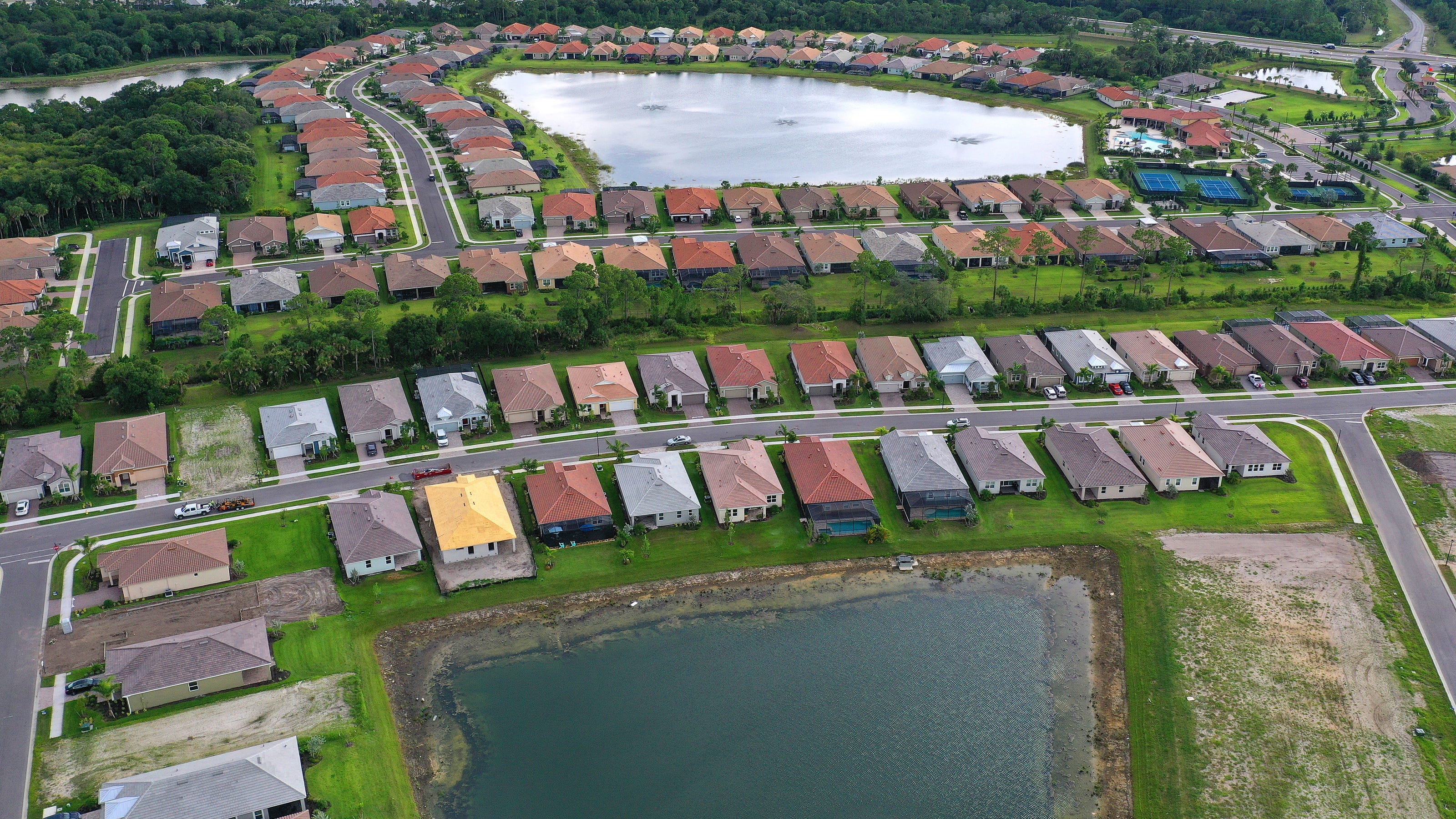
Sarasota County is on the brink of one of its largest modern expansions as the Winchester Ranch project moves closer to approval. Spanning more than 3,100 acres near North Port, the planned mega-development could bring up to 8,999 homes plus major commercial and industrial space. With construction projected to begin in 2027–2028, the community has sparked both excitement over new housing opportunities and concerns about environmental impact, placing it at the center of Florida’s ongoing growth debate.