Exploring Real Estate Investment: A Comprehensive Guide


Real estate investment is a popular avenue for diversifying one’s portfolio and generating passive income. However, the traditional notion of becoming a landlord—complete with calls about leaky faucets and pest control—might not appeal to everyone. Fortunately, as highlighted in a recent NerdWallet article, there are various strategies to invest in real estate without the hassle of direct property management.

  • Invest in REITs

    Real Estate Investment Trusts (REITs) offer an accessible entry into the world of real estate. These entities own and manage a portfolio of real estate assets. They are akin to mutual funds and often pay high dividends, making them a favorite for retirement portfolios. New investors are advised to start with publicly traded REITs for ease of liquidity and valuation.

  • Utilize Online Real Estate Platforms

    Platforms like Fundrise and RealtyMogul connect investors with developers seeking project financing. While these options can yield regular distributions, they are often open only to accredited investors, as defined by the SEC.

  • Consider Rental Properties

    Buying and renting out properties can be lucrative. The concept of “house hacking,” popularized by BiggerPockets, involves living in a property while renting out parts of it to cover expenses. This approach can provide valuable industry insights, though it may require hiring a property manager if you prefer a hands-off role.

  • Flip Properties

    Flipping properties involves purchasing undervalued homes, renovating them, and selling for a profit. While popularized by TV shows, this strategy carries risks, particularly if repair costs are underestimated. Partnering with experienced contractors can mitigate some of these risks.

  • Rent Out a Room

    For those new to real estate, renting out a room in your home can be a gentle introduction. This arrangement can reduce housing costs and make mortgage payments more manageable. Platforms like Airbnb provide an opportunity for short-term rentals without the commitment of a long-term tenant.


Each investment strategy comes with its own set of challenges and rewards. As the NerdWallet article suggests, the best approach depends on your financial goals, available capital, and willingness to manage property-related issues. For those lacking DIY skills, REITs or crowdfunding platforms might be preferable to direct property investments.



More Articles

Getting licensed or staying ahead in your career can be a journey—but it doesn’t have to be overwhelming. Grab your favorite coffee or tea, take a moment to relax, and browse through our articles. Whether you’re just starting out or renewing your expertise, we’ve got tips, insights, and advice to keep you moving forward. Here’s to your success—one sip and one step at a time!

A New Blueprint for True Florida Affordability: Jayden D’Onofrio Pushes for Real Relief in 2026

Florida families are feeling the squeeze as everyday costs, insurance premiums, and homeownership barriers continue to climb. House District 102 candidate Jayden D’Onofrio is calling for a broader, more unified affordability strategy—one that tackles the state’s insurance crisis, supports first‑time homebuyers, and restores real competition in the market. His message centers on transparency, practical solutions, and keeping Florida livable for the professionals, workers, and families who power its economy.

Health Insurance Shake‑Up: America’s Coverage Markets Enter a New Era

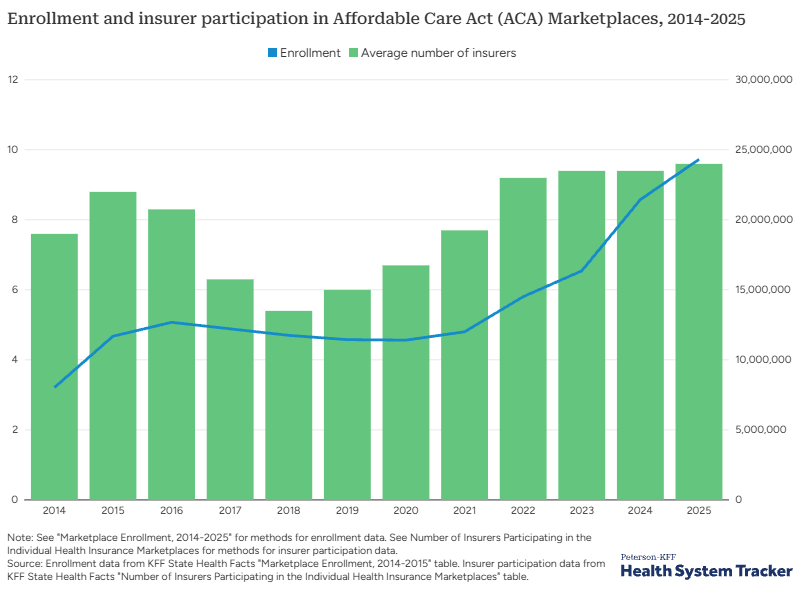
A decade of dramatic change is reshaping America’s health insurance markets. Employer group plans are becoming increasingly dominated by a few powerful insurers, while the ACA individual marketplace is experiencing record‑breaking competition and enrollment. Self‑funded plans are surging, small‑group premiums are driving employers to new coverage models, and major policy shifts in 2025 could redefine affordability for millions. This data‑driven Peterson‑KFF analysis breaks down the trends every insurance, finance, and business professional needs to understand as the industry enters a transformative new era.

Florida’s Next Mega‑Development: Winchester Ranch Set to Transform North Port

Sarasota County is inching closer to approving Winchester Ranch, a massive 8,999‑home community planned for more than 3,100 acres in North Port. With a 7‑1 vote from the Planning Commission and a final decision expected in early 2026, the project could become one of Southwest Florida’s largest developments in decades—bringing new housing, commercial space, and industry while raising fresh questions about growth, the environment, and the region’s rapidly evolving real estate market.

Lument Finance Trust Closes $664 Million CRE CLO, Signaling Strength in 2025 Markets

Lument Finance Trust has closed a major $663.8 million commercial real estate CLO, marking one of the standout CRE finance deals of 2025. The transaction, LMNT 2025-FL3, features a strong reinvestment period, non‑recourse and non‑mark‑to‑market financing, and a diversified pool of 32 loans tied to 49 properties nationwide. With J.P. Morgan leading the structuring and more than $585 million placed in investment‑grade securities, the deal highlights renewed stability in transitional CRE debt—making it a development real estate and finance professionals will want to watch closely.

Walmart Launches America’s Largest 3D‑Printed Commercial Building Initiative

Walmart has partnered with Alquist 3D to roll out the nation’s first large‑scale wave of 3D‑printed commercial buildings, signaling a major shift in how future retail and industrial spaces will be constructed. After completing an 8,000‑square‑foot 3D‑printed expansion in Tennessee—the largest of its kind—the company is moving forward with over a dozen new projects nationwide, accelerating a tech‑driven transformation in commercial real estate.

Citizens Insurance Proposes 2026 Rate Cuts, Signaling Relief for Florida’s Property Market

Citizens Property Insurance Corp. is recommending statewide rate reductions for 2026—the first proposed decrease in more than a decade. Most Citizens policyholders could see an average 11.5% drop, reflecting recent insurance‑market reforms that have stabilized Florida’s turbulent property sector. With hundreds of thousands of policies moving back to private insurers and state‑backed Citizens shrinking to record‑low enrollment, real estate and insurance professionals should prepare for how lower premiums may influence affordability, buyer confidence, and market activity heading into 2026.