Exploring the Benefits and Risks of AI in Oncology
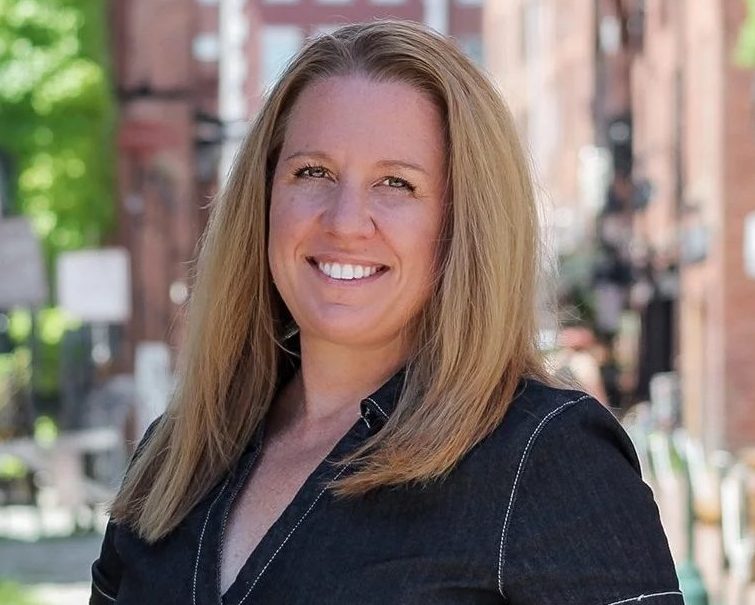
In the rapidly evolving landscape of healthcare, the integration of artificial intelligence (AI) into oncology is a topic of significant interest and debate. Recently, Ted A. James, MD, MHCM, FACS, a prominent figure in the field, shared his insights on this subject. As the Chief of Breast Surgical Oncology at Beth Israel Deaconess Medical Center and an Associate Professor at Harvard Medical School, Dr. James is at the forefront of exploring how AI can revolutionize oncology care.
The Promise of AI in Healthcare
The potential of AI to transform medical services is immense. From enhancing diagnostic precision to personalizing treatment options, AI is poised to play a pivotal role in the future of healthcare. In oncology, AI’s ability to analyze vast datasets can lead to more accurate prognostic indicators and improve patient outcomes. Dr. James emphasizes the importance of utilizing AI for precision medicine, particularly by integrating tumor characteristics with genetic profiles.
Challenges and Concerns
However, the journey towards widespread AI adoption in healthcare is fraught with challenges. One of the primary concerns is the risk of AI-induced biases, which can arise from the data used to train these systems. Additionally, data privacy and security are critical issues that must be addressed to ensure patient safety. Dr. James highlights the need for regulatory oversight and ethical guidelines to navigate these complexities.
Current Applications and Future Prospects AI is already being utilized in various healthcare applications, from diagnostic assistance to operational efficiencies. For instance, AI systems can monitor patients post-discharge to detect early signs of complications. In oncology, AI shows promise in risk assessment and predictive analytics, enabling proactive patient care.
Dr. James advocates for oncologists to explore AI tools in their practice, particularly in personalized treatment and administrative processes. By identifying high-risk patients and tailoring care plans, AI can enhance patient care and streamline workflows.
Building Trust in AI
For clinicians to embrace AI, trust in its accuracy and reliability is paramount. Dr. James stresses the importance of transparency and validation studies to build confidence in AI-powered tools. Explainable AI, which clarifies how conclusions are drawn, is crucial in fostering trust among healthcare professionals.
Ethical Considerations and Accountability
The ethical implications of AI in healthcare cannot be overlooked. Cybersecurity breaches, the potential for AI to generate false information, and the risk of dehumanizing patient care are pressing concerns. Dr. James underscores the importance of shared accountability among technology developers, healthcare organizations, and physicians to mitigate these risks.
Conclusion
As AI continues to evolve, its integration into healthcare holds the promise of transformative change. Dr. James envisions a future where AI enables precision medicine and empowers patients to take an active role in their healthcare. However, careful implementation and collaboration among stakeholders are essential to harness AI’s full potential while safeguarding against its pitfalls.
More Articles
Getting licensed or staying ahead in your career can be a journey—but it doesn’t have to be overwhelming. Grab your favorite coffee or tea, take a moment to relax, and browse through our articles. Whether you’re just starting out or renewing your expertise, we’ve got tips, insights, and advice to keep you moving forward. Here’s to your success—one sip and one step at a time!
A new CNBC Fed Survey reveals that economists expect just two additional interest rate cuts in 2026 and none in 2027, even if President Donald Trump appoints a more dovish Federal Reserve chair. Strong economic growth, stable inflation, and reduced recession fears are keeping rate‑cut expectations limited, signaling a more stable long‑term environment for real estate, mortgage, and financial professionals.
A nationwide insurance crisis is accelerating as climate‑driven disasters push premiums higher, force insurers out of multiple states, and reshape real estate and mortgage markets. Once limited to Florida and California, the instability now threatens 15 states where losses, extreme weather, and insurer withdrawals are creating mounting risks for homeowners and industry professionals alike.
Commercial real estate is entering 2026 with a cautious but strategic shift. Companies are ditching oversized offices in favor of smaller, higher‑quality spaces packed with amenities that attract today’s workforce. Downtown markets like Portland remain steady, while suburban vacancies rise and landlords get creative with incentives. Industrial real estate is cooling after years of explosive growth, and developers are hesitating—though multifamily and hotel projects continue to push forward. Overall, the theme of the year is patience, as businesses wait for clearer signals on interest rates, construction costs, and long‑term workplace trends.
A new study from leading urban scholars reveals that zoning laws and construction slowdowns aren’t the true cause of America’s housing crisis. Even with massive building booms, rents would barely drop for decades. The real culprit? Soaring economic inequality. Until the widening wealth gap is addressed, policies like upzoning and deregulation won’t make housing affordable for working Americans—and may even push prices higher.
Cambio, a fast‑growing AI proptech company, has secured an $18 million Series A at a $100 million valuation, aiming to overhaul how commercial real estate firms process documents and make investment decisions. By converting messy PDFs, spreadsheets, and audit files into investor‑ready insights in minutes, the platform is rapidly expanding—now active in 35 countries and managing data for over 2 billion square feet of assets.
Florida’s insurance market is finally showing signs of real recovery heading into 2026. Industry leaders say recent legal reforms have sharply reduced lawsuits, allowing insurers to stabilize rates — and even introduce reductions for the first time in years. With new companies entering the state and solvency at its strongest level in more than a decade, real estate and mortgage professionals may benefit from improved buyer confidence and smoother closings as insurance becomes more predictable again.