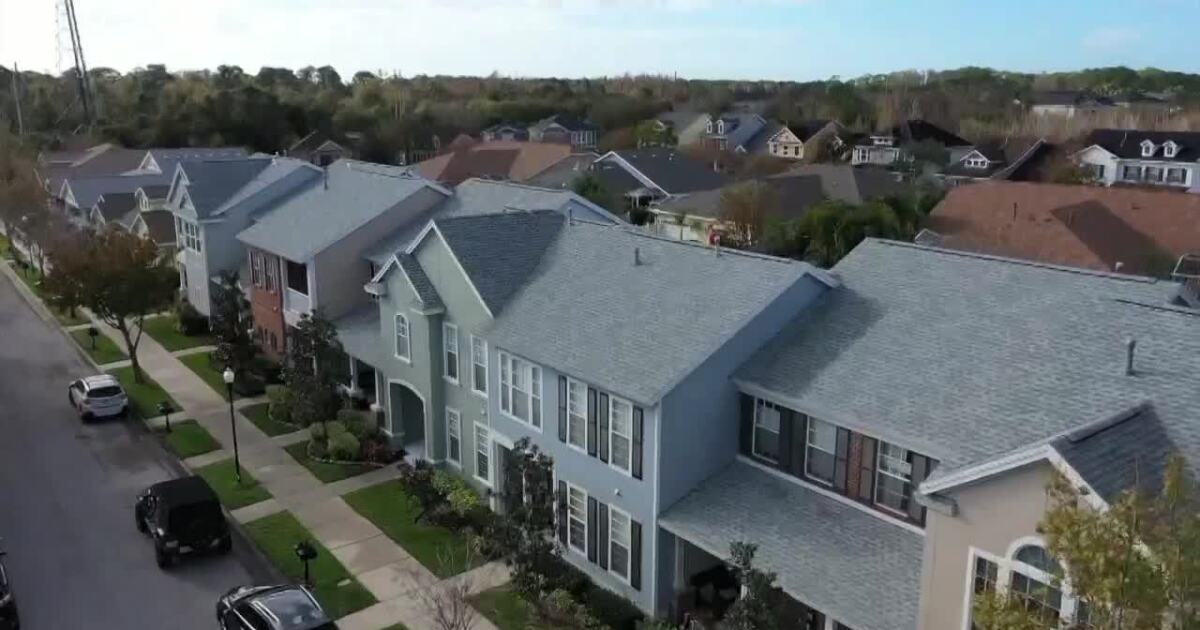
The Bay Area housing market, renowned for its competitive nature and soaring prices, continues to evolve, leaving both buyers and sellers eager for insights to navigate its complexities. This dynamic market, centered around San Francisco, Oakland, and San Jose, remains a focal point due to its unique blend of economic strength, cultural vibrancy, and desirable living conditions.
Market Predictions and Trends
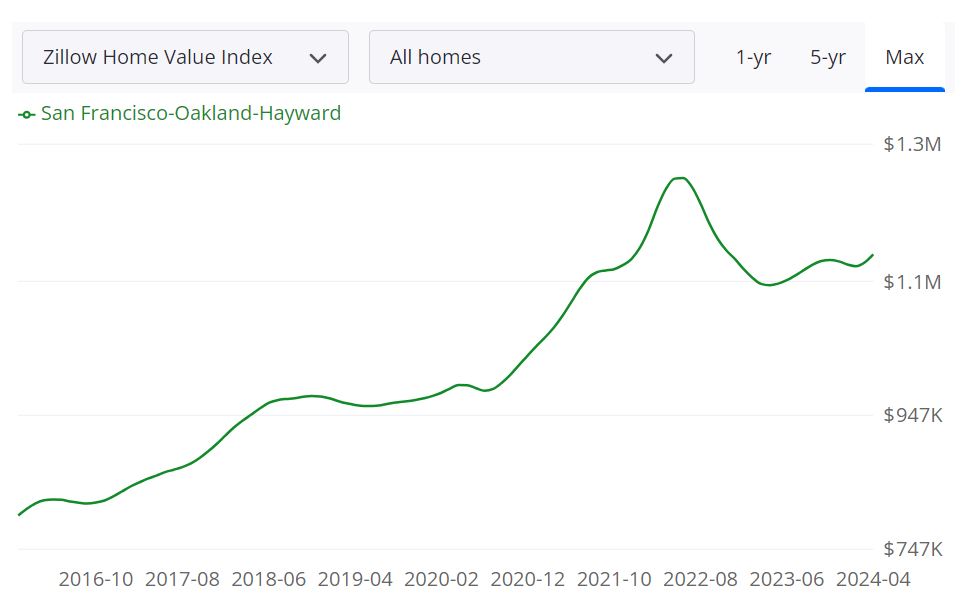
The Bay Area housing market in 2024 is projected to unfold in one of three scenarios, each influenced by various economic factors:
Moderate Price Correction: Rising interest rates and economic uncertainties could lead to a slight decline in prices, providing some relief to buyers without triggering a market crash.
Stagnant Growth: Strong demand, coupled with housing shortages, might stabilize prices, offering no significant advantage to either buyers or sellers.
Continued Growth: Despite economic challenges, the limited housing supply and high desirability may sustain price increases, though at a slower pace.
Key indicators like inventory levels, days on the market, and sales volume will be crucial in forecasting the market’s trajectory.
Reasons for High Prices
Several factors contribute to the Bay Area’s steep housing costs:
Strong Economy: As a global tech hub, the region attracts high-income professionals, fueling demand.
Limited Supply: Geographical constraints and strict zoning laws hinder new construction efforts.
High Land Costs and Foreign Investment: Expensive land and international buyers drive prices upward.
Desirability and Limited Growth Space: The area’s quality of life and restricted space for expansion add to the price pressures.
Hottest Markets and Investment Opportunities
Currently, the suburb of Woodlands in Walnut Creek is experiencing a market surge thanks to its suburban appeal and proximity to job centers. Other areas like Oakland in the East Bay and Fremont in the South Bay are also attracting significant interest from buyers.
For investors, the Bay Area’s enduring demand, diverse locations, and robust rental market present lucrative opportunities. However, challenges such as high property prices and complex regulations require careful market analysis. The region offers a range of real estate investment options, from residential and multi-unit properties to commercial real estate and short-term rentals.
The Bay Area’s robust economy, heavily driven by the tech sector, continues to promise growth. Despite supply shortages and zoning restrictions, the region remains a potentially rewarding arena for real estate investments, as detailed in the original article from Norada Real Estate Investments.
More Articles
Getting licensed or staying ahead in your career can be a journey—but it doesn’t have to be overwhelming. Grab your favorite coffee or tea, take a moment to relax, and browse through our articles. Whether you’re just starting out or renewing your expertise, we’ve got tips, insights, and advice to keep you moving forward. Here’s to your success—one sip and one step at a time!
Redfin forecasts a slow but meaningful return to normalcy in the U.S. housing market starting in 2026. Instead of a crash or a rapid correction, the year marks the beginning of a “Great Housing Reset” where affordability gradually improves, mortgage rates ease into the low‑6% range, home sales tick upward, and renters, buyers, and professionals finally feel less market pressure. From wage growth outpacing home prices to rising refi activity and the rise of AI‑powered real estate tools, 2026 is shaping up to be a foundational year for real estate careers and long‑term market stability.
Hurricane Melissa’s destruction in Jamaica highlights a growing global reality: climate risks are accelerating faster than insurance adoption. With more than 90% of disaster losses in developing regions going uninsured and a worldwide protection gap exceeding $1.8 trillion annually, experts warn that traditional insurance systems can no longer keep up. New models—like parametric payouts, community‑based aggregation and bundled climate tools—are emerging, but governments and corporations must step in to prevent financial shocks from destabilizing entire economies.
Gravis Robotics, a Zurich-based startup, just raised $23 million to bring autonomous tech to construction sites facing a massive operator shortage. As demand surges for renewable energy projects, data centers, and new housing, Gravis retrofits traditional heavy machinery with AI-driven systems that can work autonomously or via remote guidance. With trials already underway across seven countries, the company is pushing a future where humans and robots collaborate — speeding up development timelines and reshaping industries from construction to real estate.
Zillow has quietly removed its climate‑risk scores after months of pressure from agents, homeowners, and listing services who said the warnings were scaring off buyers. The move has sparked a national debate: Is this a win for real estate sales or a setback for consumer transparency? Critics warn that without clear climate‑risk data, families could be “flying blind” into costly surprises like insurance spikes and flood damage. As climate impacts intensify and disclosure expectations rise, real estate professionals must stay informed—because whether Zillow shows the data or not, the risks aren’t going anywhere.
Florida’s property insurance crisis is becoming the defining issue heading into the 2026 election season. Republicans argue that recent reforms are finally stabilizing the market, pointing to reduced litigation and cooling reinsurance costs. Democrats counter that families are still facing unbearable premiums, with condo prices dropping over 8% and Floridians paying some of the highest insurance rates in the nation. As lawmakers prepare to return to Tallahassee, the future of insurance reform is set to become the central political fight—one that will directly impact homeowners, investors, and real estate professionals across the state.
Connectivity has become one of the most powerful differentiators in today’s real estate market. As smart buildings, automation, and sustainability demands accelerate, fiber networks are replacing outdated copper systems and reshaping property value. With lower energy use, unified smart‑building capabilities, reduced long‑term costs, and stronger tenant satisfaction, digital infrastructure is now central to investment strategy. Real estate professionals who understand this shift gain a competitive edge as the industry moves toward cleaner, smarter, more connected buildings.