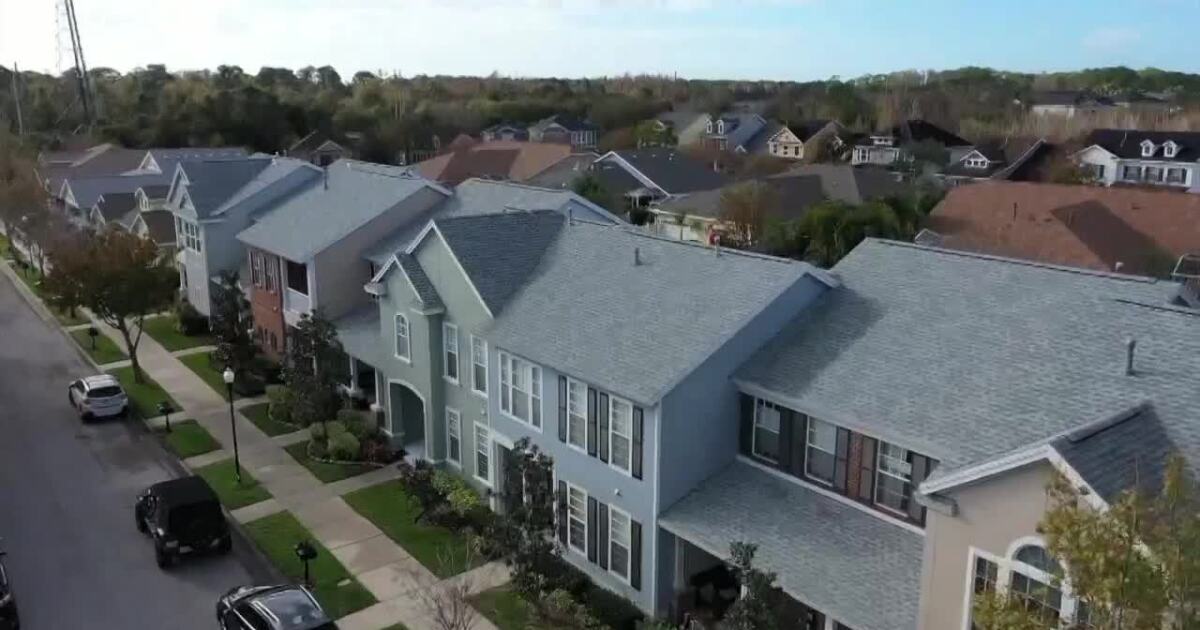
Exploring the Florida Real Estate Market: A Haven for Homebuyers
Florida has long been a beacon for those seeking a unique and diverse lifestyle, offering a vibrant real estate market that caters to a wide array of preferences and budgets. From luxurious oceanfront mansions and elegant condos to charming cottages, the state provides ample opportunities for both buyers and sellers. According to a recent article by Little Big Homes, the Florida housing market is poised for growth and transformation in 2024.
Why Florida Remains a Hotspot for Homebuyers
Florida’s allure is multifaceted, drawing home seekers with its breathtaking scenery, vibrant communities, and year-round warm weather. The state’s landscape is adorned with pristine beaches, turquoise waters, and picturesque streets lined with towering palm trees. Its bustling city centers and quaint neighborhoods offer a rich tapestry of cultural attractions, fine dining, shopping, and entertainment.
Moreover, Florida’s moderate cost of living, coupled with the absence of a state income tax, makes it an attractive destination for many. The state’s strong economy, bolstered by sectors such as tourism, aerospace, and manufacturing, further enhances its appeal.
Current Market Dynamics and Trends
The Florida real estate market is currently influenced by several factors, including the aftermath of the COVID-19 pandemic and rising inflation. The pandemic initially disrupted the market but later spurred growth due to record-low interest rates and the rise of remote work. This shift increased demand for properties in rural and suburban areas.
Rising inflation has also impacted the market, with urban areas experiencing higher housing prices and living costs. As a result, there is a growing demand for residential properties outside major cities.
Market Conditions and Future Outlook
According to Redfin, the median home price in Florida is $401,100, reflecting a 1.5% increase from the previous year. Despite this rise, Florida homes remain relatively affordable compared to other booming markets, such as California. Inventory levels indicate a seller’s market, with a limited supply of homes leading to increased buyer competition and potentially higher prices.
Sales activity has slowed, with a decrease in the number of homes sold year over year. However, the strong demand and limited inventory suggest this may be a temporary slowdown rather than a long-term trend.
Trends Shaping the Market
Several trends are shaping Florida’s real estate market, including net population migration, rising mortgage rates, and a booming vacation home market. The state has experienced significant population growth, contributing to increased demand for real estate. Meanwhile, rising mortgage rates have made it more challenging for buyers to secure financing, impacting sales volume.
The vacation rental market is thriving, with areas like Indialantic achieving high occupancy rates. Additionally, property technology advancements, such as virtual tours and 3D mapping, are revolutionizing the buying process.
Guidance for Buyers and Sellers
For buyers, understanding market trends and fluctuations is crucial. Working with a qualified real estate agent can provide valuable insights and assistance throughout the buying process. Timing is also essential, with off-peak seasons potentially offering better deals.
Sellers should focus on enhancing their property’s curb appeal, setting competitive prices, and marketing effectively to attract high offers. Consulting with a real estate agent can help navigate the complexities of the market and achieve favorable outcomes.
Conclusion
The Florida real estate market presents a dynamic landscape full of opportunities for both buyers and sellers. With its economic strength and high quality of life, the state is expected to continue attracting prospective homeowners. As the market evolves, staying informed and enlisting professional guidance will be key to success.
More Articles
Getting licensed or staying ahead in your career can be a journey—but it doesn’t have to be overwhelming. Grab your favorite coffee or tea, take a moment to relax, and browse through our articles. Whether you’re just starting out or renewing your expertise, we’ve got tips, insights, and advice to keep you moving forward. Here’s to your success—one sip and one step at a time!
The commercial real estate sector closed out 2025 with renewed stability, as the Real Estate Roundtable’s latest sentiment index shows rising confidence and improving market fundamentals. Executives report better access to capital, stronger performance in residential, retail, and hospitality, and early signs of recovery in the office market. With financing loosening and asset values climbing, the outlook for 2026 is increasingly optimistic, creating fresh opportunities for both seasoned professionals and newcomers preparing to enter the field.
The CFPB is proposing changes to how lenders evaluate “disparate impact” under the Equal Credit Opportunity Act, potentially tightening the scrutiny on credit decisions that unintentionally disadvantage protected groups. These updates could reshape underwriting models, lending criteria, and compliance requirements — ultimately influencing mortgage approvals, buyer qualifications, and day‑to‑day real estate activity.
Florida’s insurance crisis has become the defining issue heading into 2026, with Republicans touting recent market improvements while Democrats argue families are still being crushed by soaring premiums. From billion‑dollar auto insurance refunds to condo markets destabilized by post‑Surfside rate spikes, the state’s political divide is shaping the future of real estate, insurance, and affordability for millions.
October 2025 brought a wave of major regulatory updates across insurance, finance, and compliance. From stricter oversight on retail insurers and new FCA rules on ESG and travel insurance, to EIOPA’s EU‑wide consultations and refreshed corporate governance standards, regulators signaled higher expectations and faster change ahead. For professionals—and those pursuing licenses—these shifts directly impact risk management, product design, and consumer outcomes, making regulatory awareness a critical competitive advantage.
After nearly two years of sluggish activity, commercial real estate lending is finally accelerating—fast. New data from CBRE shows loan closings jumped 112% year‑over‑year in Q3 2025, reaching their highest level since 2018. With interest rates stabilizing and credit spreads tightening, investors are returning, banks are re‑entering the market, and multifamily financing is dominating once again. The long‑stalled deal flow is thawing, signaling renewed momentum heading into 2026.
Farmers Insurance is lifting its cap on new homeowner policies in California after two years of limiting growth, signaling a shift in the state’s strained insurance market. The expansion comes with a proposed 6.99 percent rate increase that still needs regulatory approval. Supporters call it a turning point driven by new wildfire‑risk rules, while consumer advocates warn the reforms contain loopholes and could lead to higher costs for homeowners.