Exploring the Florida Real Estate Market: A Haven for Homebuyers
Florida has long been a beacon for those seeking a unique and diverse lifestyle, offering a vibrant real estate market that caters to a wide array of preferences and budgets. From luxurious oceanfront mansions and elegant condos to charming cottages, the state provides ample opportunities for both buyers and sellers. According to a recent article by Little Big Homes, the Florida housing market is poised for growth and transformation in 2024.
Why Florida Remains a Hotspot for Homebuyers
Florida’s allure is multifaceted, drawing home seekers with its breathtaking scenery, vibrant communities, and year-round warm weather. The state’s landscape is adorned with pristine beaches, turquoise waters, and picturesque streets lined with towering palm trees. Its bustling city centers and quaint neighborhoods offer a rich tapestry of cultural attractions, fine dining, shopping, and entertainment.
Moreover, Florida’s moderate cost of living, coupled with the absence of a state income tax, makes it an attractive destination for many. The state’s strong economy, bolstered by sectors such as tourism, aerospace, and manufacturing, further enhances its appeal.
Current Market Dynamics and Trends
The Florida real estate market is currently influenced by several factors, including the aftermath of the COVID-19 pandemic and rising inflation. The pandemic initially disrupted the market but later spurred growth due to record-low interest rates and the rise of remote work. This shift increased demand for properties in rural and suburban areas.
Rising inflation has also impacted the market, with urban areas experiencing higher housing prices and living costs. As a result, there is a growing demand for residential properties outside major cities.
Market Conditions and Future Outlook
According to Redfin, the median home price in Florida is $401,100, reflecting a 1.5% increase from the previous year. Despite this rise, Florida homes remain relatively affordable compared to other booming markets, such as California. Inventory levels indicate a seller’s market, with a limited supply of homes leading to increased buyer competition and potentially higher prices.
Sales activity has slowed, with a decrease in the number of homes sold year over year. However, the strong demand and limited inventory suggest this may be a temporary slowdown rather than a long-term trend.
Trends Shaping the Market
Several trends are shaping Florida’s real estate market, including net population migration, rising mortgage rates, and a booming vacation home market. The state has experienced significant population growth, contributing to increased demand for real estate. Meanwhile, rising mortgage rates have made it more challenging for buyers to secure financing, impacting sales volume.
The vacation rental market is thriving, with areas like Indialantic achieving high occupancy rates. Additionally, property technology advancements, such as virtual tours and 3D mapping, are revolutionizing the buying process.
Guidance for Buyers and Sellers
For buyers, understanding market trends and fluctuations is crucial. Working with a qualified real estate agent can provide valuable insights and assistance throughout the buying process. Timing is also essential, with off-peak seasons potentially offering better deals.
Sellers should focus on enhancing their property’s curb appeal, setting competitive prices, and marketing effectively to attract high offers. Consulting with a real estate agent can help navigate the complexities of the market and achieve favorable outcomes.
Conclusion
The Florida real estate market presents a dynamic landscape full of opportunities for both buyers and sellers. With its economic strength and high quality of life, the state is expected to continue attracting prospective homeowners. As the market evolves, staying informed and enlisting professional guidance will be key to success.
More Articles
Getting licensed or staying ahead in your career can be a journey—but it doesn’t have to be overwhelming. Grab your favorite coffee or tea, take a moment to relax, and browse through our articles. Whether you’re just starting out or renewing your expertise, we’ve got tips, insights, and advice to keep you moving forward. Here’s to your success—one sip and one step at a time!
After nearly 20 years under uniquely harsh lending rules, Florida may finally see its condo market freed from a 25% down payment requirement imposed only on the state. Industry leaders say Fannie Mae could announce changes as early as December—potentially restoring the standard 10% down payment used everywhere else in the country. Experts believe the shift would boost maintenance funding, improve affordability, and stabilize Florida’s condo market after years of strain.
Phoenix’s commercial real estate market is shaking off years of uncertainty as broker optimism hits its highest level since interest rates began climbing. The latest ASU Commercial Broker Sentiment Index soared to 62.7, signaling strong confidence across multifamily, retail, office, and capital markets. With population growth accelerating, interest rates easing, and AI boosting industry efficiency, Phoenix is positioning itself for a powerful run into 2026—offering meaningful opportunities for both new and seasoned real estate professionals.
Michigan’s House Rules Committee heard testimony on a proposal that would let licensed professionals complete all required continuing education online. Supporters say the change would modernize outdated rules, reduce costs, and improve access for rural and busy workers. The state licensing department backs the measure, and lawmakers noted it could reshape CE options across industries from real estate to insurance and healthcare.
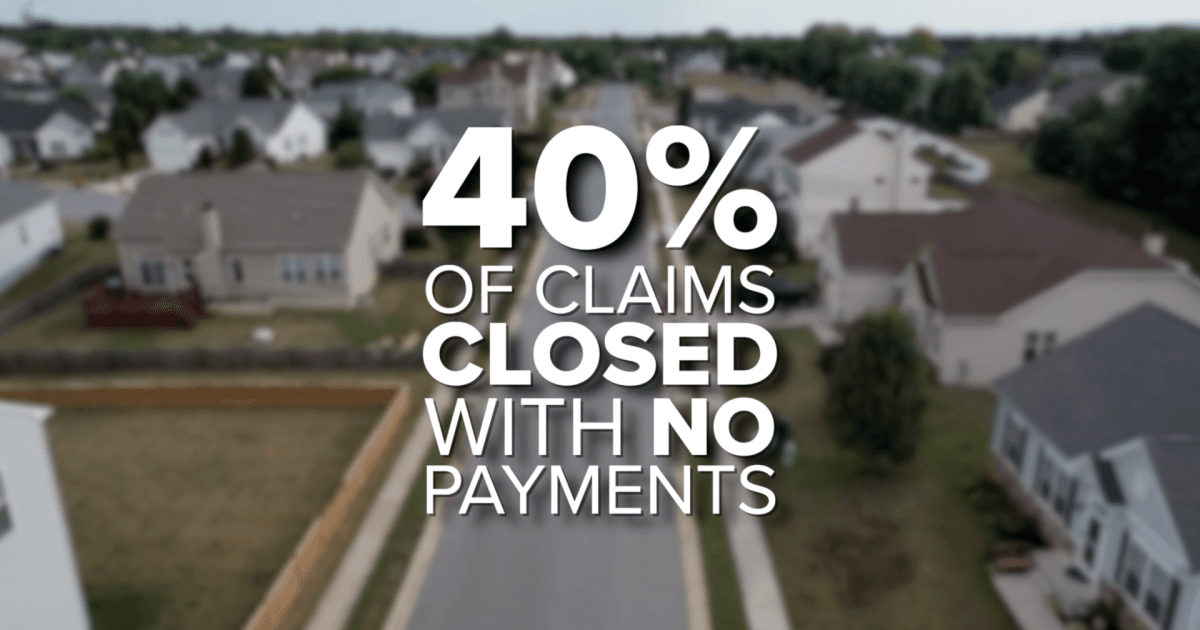
Florida homeowners are now paying an average of $5,838 per year for insurance — nearly $3,000 above the national average — making it one of the most expensive states in the country. As premiums continue to triple for some residents, many are being forced into tough decisions, from delaying home improvements to dropping coverage altogether. With more than 40% of claims closed with no payment and lawmakers pushing for aggressive reforms, the crisis is reshaping Florida’s housing market and placing growing pressure on real estate, mortgage, and insurance professionals statewide.
Griffin Funding has elevated John Jones to Senior Vice President of Growth and EOS Integrator, marking a major step in the company’s long-term expansion strategy. Already a key operational leader since April 2025, Jones will now drive performance optimization, market expansion, and leadership development as the lender pursues an ambitious goal of reaching $3 billion in annual non-QM loan volume by 2030. His promotion underscores Griffin Funding’s commitment to scaling strategically while strengthening its position in the fast-growing non-QM space.
Despite recent Federal Reserve rate cuts, commercial real estate remains frozen. Long‑term Treasury yields continue to climb, keeping borrowing costs high and preventing the relief investors expected. With nearly $1 trillion in commercial loans coming due, refinancing at today’s elevated rates is squeezing owners, slowing transactions, and creating a widening gap between buyers and sellers. For patient, well‑capitalized investors, this period of recalibration may offer some of the strongest opportunities in years.