Exploring the Future of Luxury Real Estate in 2025
In a world where luxury real estate is constantly evolving, the Christie’s International Real Estate 2025 Global Luxury Forecast unveils key trends that are set to shape the landscape this year. According to the report, which draws insights from over 100 independent brokerage firms worldwide, we can expect a shift towards heritage architectural styles, an increased focus on security and privacy, and a spotlight on emerging markets such as Madrid and the Balkans.
A Focus on Security and Heritage
Security is becoming a priority for luxury homeowners. From intelligent camera systems to ballistic entry doors, the market is seeing a rise in both high-tech and analog security amenities. This trend reflects a growing desire for privacy and safety among high-net-worth individuals.
Meanwhile, there is a renewed interest in heritage architecture. Buyers are increasingly drawn to styles that reflect the history and natural qualities of their surroundings. Rustic homes in the U.S. mountains and Victorian designs in the U.K. are examples of this trend, which contrasts with the modern forms that have dominated recent decades.
Climate Impact and Emerging Markets
The report highlights the impact of climate change on luxury real estate. With events like the Los Angeles wildfires, climate-related issues are influencing purchasing decisions. In response, governments and builders are planning for a sustainable future, as noted by brokerage affiliates in San Francisco, Dubai, Naples, and Geneva.
As for emerging luxury markets, areas such as Madrid, Perth, and the Balkan nations of Albania and Bulgaria are gaining attention. These regions offer enticing incentives, relative value, and strong potential for appreciation, making them attractive to luxury home buyers and investors.
Trends and Notable Sales
Among the hottest trends in 2025 are infrared saunas, car showrooms, and toy barns, which are becoming must-have amenities. Additionally, biophilic design is on the rise as buyers emphasize environmental impact and healthy living.
The report also sheds light on significant home sales from 2024, including a record-breaking $152 million private island in Palm Beach and a $90 million Los Angeles mansion purchased with Bitcoin. These sales underscore the dynamic nature of the luxury market.
Thad Wong, co-CEO of Christie’s International Real Estate, emphasizes the thriving and ever-evolving nature of global luxury real estate. He hopes these insights will empower buyers and sellers to make informed decisions in today’s market and beyond.
Getting licensed or staying ahead in your career can be a journey—but it doesn’t have to be overwhelming. Grab your favorite coffee or tea, take a moment to relax, and browse through our articles. Whether you’re just starting out or renewing your expertise, we’ve got tips, insights, and advice to keep you moving forward. Here’s to your success—one sip and one step at a time!
Florida’s insurance market is under intense pressure as millions of residents and trillions in property wealth cluster along hurricane‑vulnerable coastlines. This article breaks down how decades of growth in high‑risk zones created today’s crisis, why traditional pricing models can’t keep up, and what real estate and insurance professionals must do to stay ahead. It offers actionable insights on underwriting, risk communication, policy partnerships, and resilience planning—critical knowledge for anyone advising Florida homeowners or navigating the state’s evolving insurance landscape.
Florida’s homeowners insurance market may have stabilized, but not in the way residents hoped. After years of runaway increases, premiums have stopped spiking—but they’re holding at painfully high levels. Coastal properties remain the hardest hit, with some policies topping $15,000 a year, while insurers continue demanding costly upgrades and resisting calls for transparency. For real estate professionals, understanding these pricing pressures is becoming essential as insurance costs increasingly shape buyer decisions across the state.
Florida homeowners face soaring premiums, shrinking insurer options, and storms that grow stronger each year. This article breaks down what hurricane insurance actually covers, how deductibles really work, why flood insurance is essential, and what professionals in real estate, mortgage, and insurance must understand to protect clients and properties before the next major storm hits.
Teresa King Kinney, one of the most influential executives in modern real estate, is retiring after 33 years as CEO of the MIAMI Association of Realtors. Under her leadership, the organization grew from 5,000 members to 60,000, became a global real estate powerhouse, and built the nation’s largest association‑owned MLS. As she transitions into CEO Emeritus, MIAMI prepares for a new era shaped by the foundation she spent decades building.
Miami’s commercial property market is heating up again, posting an 11% jump in investment volume for 2025. The surge is driven largely by a revitalized retail sector fueled by population growth, strong tourism, and new mixed‑use development. While office and industrial activity remains steady but softer, investor confidence is returning as Miami’s CRE landscape matures and buyers re‑enter the market with renewed interest in high‑traffic retail opportunities.
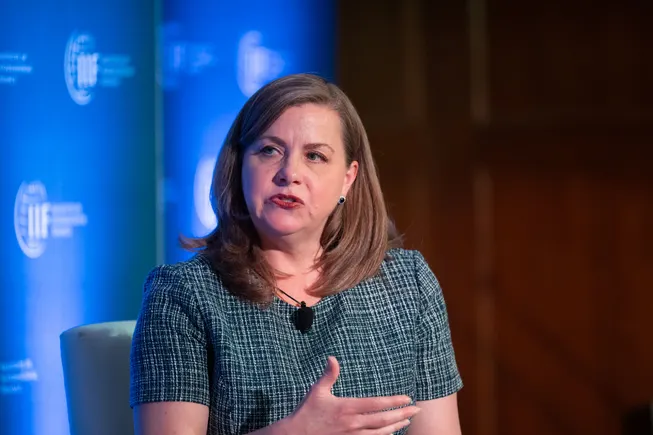
The Federal Reserve is preparing major changes to mortgage regulations in an effort to pull more mortgage activity back into the banking sector. With banks losing significant market share to nonbank lenders over the past decade, Fed Vice Chair for Supervision Michelle Bowman says new proposals may ease capital requirements and make mortgage servicing more attractive for banks. These shifts could have wide‑ranging effects on real estate professionals, lenders, and borrowers as the balance of power in the mortgage market begins to shift once again.