Key Benefits of Virtual Tours: A Digital Revolution in Real Estate
Published 2 months ago by Multi-Housing News

In the wake of the COVID-19 pandemic, virtual tours have emerged as indispensable tools in the real estate marketing and leasing industries. As social distancing became the norm, these digital experiences offered a safe alternative to in-person visits, and their popularity has only grown since. Today, virtual tours are celebrated for their interactive and immersive capabilities, providing potential renters with a comprehensive view of their prospective homes.

Understanding Virtual Tours

The distinction between video and virtual tours is crucial. While video tours provide a linear, pre-recorded sequence with limited interactivity, virtual tours offer a dynamic experience. Users can navigate through a digital representation of a space using 360-degree images or 3D models, allowing them to explore at their own pace.

Types of Virtual Tours

The realm of virtual tours is diverse. Among the most popular are:
  • 360-degree Photo Tours: These utilize panoramic photos, enabling users to look around and navigate between rooms.
  • Interactive 3D Tours: Leveraging 3D scanning technology, these tours offer a fully navigable model of the space.
  • Virtual Reality (VR) Tours: Designed for VR headsets, these tours provide a highly immersive experience.
  • Augmented Reality (AR) Tours: These integrate virtual elements with real-world views, often using smartphones or tablets.
  • Guided Virtual Tours: These involve a leasing agent guiding users through a space via video call or pre-recorded session.

Popularity and Integration

As noted in the original article, the 360-degree Photo Tours and Interactive 3D Tours are particularly favored for their high interactivity and realistic experiences. They allow prospective renters to explore properties in detail, providing a sense of space and layout akin to an in-person visit. Furthermore, these tours integrate seamlessly with property management systems and marketing tools, enhancing their utility in the leasing process.

Future Trends

Looking ahead, virtual tours are set to become even more sophisticated. The integration of artificial intelligence will personalize user experiences, offering tailored recommendations based on individual preferences. Additionally, virtual tours may soon include smart home feature demonstrations, allowing users to interact with virtual controls and see real-time data.

There is also a growing trend towards unit-level tours, providing prospects with detailed views of specific apartment units. This level of detail is expected to increase conversion rates from leads to leases.

Conclusion

The convenience and efficiency of virtual tours, initially driven by the pandemic, continue to resonate with busy urban dwellers and remote workers. As technology advances, these digital experiences will likely become even more integral to the real estate market, particularly in multifamily communities. For more insights into renter preferences, visit Industry Surveys Reveal Renter Preferences for 2024.

More Articles

Getting licensed or staying ahead in your career can be a journey—but it doesn’t have to be overwhelming. Grab your favorite coffee or tea, take a moment to relax, and browse through our articles. Whether you’re just starting out or renewing your expertise, we’ve got tips, insights, and advice to keep you moving forward. Here’s to your success—one sip and one step at a time!

Is Florida’s Booming Real Estate Market Becoming Unaffordable?

Florida is facing a real estate crisis marked by skyrocketing insurance premiums, stringent FEMA rules, and a surge in hedge fund property acquisitions.

By |November 14, 2024|Categories: Article, Finance/Economy, Real Estate|Tags: , |0 Comments

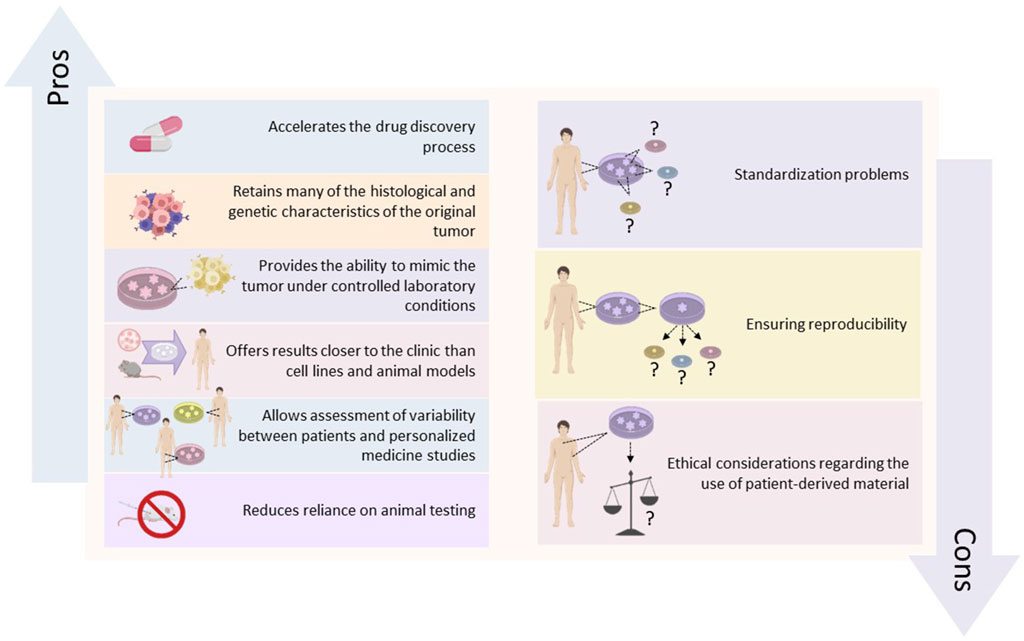
Revolutionizing Cancer Therapy: The Promise of Patient-Derived Organoids

Patient-derived organoids offer an unprecedented opportunity to replicate the complex structure and genetic makeup of cancers, providing a more accurate model for clinical drug screening and pharmacognostic assessment.

The AI Revolution in Dermatology: A Systematic Review

In a groundbreaking study published in Nature, researchers have delved into the burgeoning field of artificial intelligence (AI) in dermatology, specifically examining its role in diagnosing skin cancer. The study, titled "A Systematic Review and Meta-Analysis of Artificial Intelligence Versus Clinicians for Skin Cancer Diagnosis," offers a comprehensive look at how AI stacks up against human clinicians in this critical area of healthcare.

By |November 14, 2024|Categories: AI in Healthcare, Article, Dermatology|Tags: , |0 Comments

The Fast Lane to Fully Autonomous Vehicles: Industry Innovations and Future Prospects

The automotive world is abuzz with announcements from major players like Tesla, Rimac, Renault, and Nissan, each unveiling plans to introduce autonomous vehicles in the near future. Tesla's much-anticipated "CyberCab" is set for an October 2024 debut, while Rimac and Renault are gearing up for releases in 2026.

Futureproofing for Insurers: The Role of AI and Hyper-Personalization

In a rapidly evolving industry, insurance companies are turning to artificial intelligence (AI) and hyper-personalization to stay ahead of the curve.

Revolutionizing Healthcare: The Power and Potential of AI

AI technology offers a multitude of benefits, from enhancing patient outcomes to reducing healthcare costs and improving population health. Its application ranges from preventive screenings to complex diagnostic procedures, marking a new era in medical care.

By |November 13, 2024|Categories: Article, Artificial Intelligence, Healthcare|Tags: , |0 Comments