Exploring the Horizons of Artificial Intelligence Projects in 2025

Artificial Intelligence (AI) is redefining the contours of our world, reshaping industries and daily life in ways previously unimaginable. As we delve into the intricacies of AI, it becomes evident that this technology is not just a tool but a transformative force. The original article from Simplilearn offers a comprehensive guide to AI project ideas, ranging from beginner to advanced levels, highlighting the practical applications and opportunities these projects present. Impact of AI Across Industries
AI’s influence spans various sectors, from healthcare and finance to manufacturing and education. In healthcare, AI-powered diagnostics and personalized medicine are revolutionizing patient care. Meanwhile, the finance sector benefits from AI’s capabilities in fraud detection and risk assessment. Manufacturing sees enhancements through predictive maintenance and optimized production processes, while education becomes more personalized, thanks to AI-driven learning experiences. However, as AI becomes ubiquitous, ethical and social concerns arise. Issues such as privacy, bias, and job displacement necessitate careful management and regulation to maximize benefits while mitigating risks. The potential of AI to drive future economic growth and address complex global challenges marks a pivotal chapter in human history. AI Project Ideas for Skill Development
The article from Simplilearn outlines 30 AI projects, categorized by complexity, to help enthusiasts build a strong AI and machine learning foundation. These projects range from a Spam Email Detector, which uses algorithms like Naive Bayes, to more advanced endeavors like an Autonomous Driving System. For beginners, projects like Handwritten Digit Recognition using the MNIST dataset offer a glimpse into computer vision. Intermediate projects, such as Sentiment Analysis of Social Media Posts, leverage natural language processing to gauge public sentiment. Advanced projects like AI-Based Medical Diagnosis Systems require a nuanced understanding of AI and medical science, showcasing the potential of AI in enhancing diagnostic accuracy and speed. AI’s Economic Impact
The global AI market is projected to expand at a compound annual growth rate (CAGR) of 37.3%, reaching a staggering $1,811.8 billion by 2030. This growth underscores the importance of acquiring AI skills to remain competitive in this transformative industry. Launching a Career in AI
Embarking on a career in AI involves a blend of educational background, skill development, and practical experience. The article provides a step-by-step guide, emphasizing the importance of a strong foundation in mathematics and computer science, engaging in practical projects, and pursuing specializations. Platforms like SkillUp offer free resources for those eager to upskill in AI. As AI continues to evolve, staying updated with the latest tools and technologies is crucial. Simplilearn’s Post Graduate Program in AI and Machine Learning offers an extensive curriculum and real-world projects, equipping learners with the critical skills needed to thrive in the AI landscape. Conclusion
Delving into AI projects presents a thrilling journey filled with limitless opportunities for creativity and development. The article from Simplilearn serves as a valuable resource for anyone looking to deepen their understanding of AI and machine learning, offering a roadmap to mastering the intricacies of this transformative technology.


More Articles

Getting licensed or staying ahead in your career can be a journey—but it doesn’t have to be overwhelming. Grab your favorite coffee or tea, take a moment to relax, and browse through our articles. Whether you’re just starting out or renewing your expertise, we’ve got tips, insights, and advice to keep you moving forward. Here’s to your success—one sip and one step at a time!

Why Today’s High Mortgage Rates Matter More Than Ever for the Housing Market

A growing share of American homeowners now carry mortgage rates above 5%—a dramatic shift that’s reshaping refinancing, inventory, and buyer behavior nationwide. With more than 30% of borrowers locked into rates over 5% and 20% above 6%, the market is split between owners holding on to low pandemic‑era loans and new buyers taking on higher‑rate mortgages. Federal efforts to push rates down could unlock millions of refinancing opportunities, while buyers see only modest monthly savings. For real estate professionals, understanding these rate dynamics is crucial as they increasingly drive inventory levels, affordability, and market activity.

CRE Deal Volume Dips in December, but Office Sector Stages an Unexpected Comeback

New Moody’s data shows commercial real estate deal volume slipped 20% in December, marking a second monthly decline. Yet the full year tells a different story: 2025 ended with a 17% gain, signaling a quiet but resilient recovery. The biggest surprise came from the office sector, which posted a 21% jump in activity as return‑to‑office trends and AI‑driven job growth boosted demand. Multifamily, retail, and alternative assets like data centers also saw strong momentum, giving real estate professionals a market full of fresh opportunities heading into 2026.

Florida Kicks Off 2026 With Major Auto Insurance Rate Cuts and Market Stability

Florida drivers and industry professionals are heading into 2026 with good news: auto insurance rates are dropping across the state as the market shows strong signs of stabilization. USAA leads the latest wave with a 7% average rate decrease expected in May 2026, saving members more than $125 million annually. They join several major insurers — including State Farm, Progressive, AAA, Allstate, and Florida Farm Bureau — all approving significant reductions. Officials credit recent legislative reforms, especially tort reform, for the improved loss ratios and renewed insurer confidence. With both auto and home insurance markets strengthening, Florida’s real estate, mortgage, and insurance professionals can expect more consumer confidence, smoother transactions, and expanding career opportunities.

The 2024 Housing Shortage: Why America Is Still 1.2 Million Homes Behind

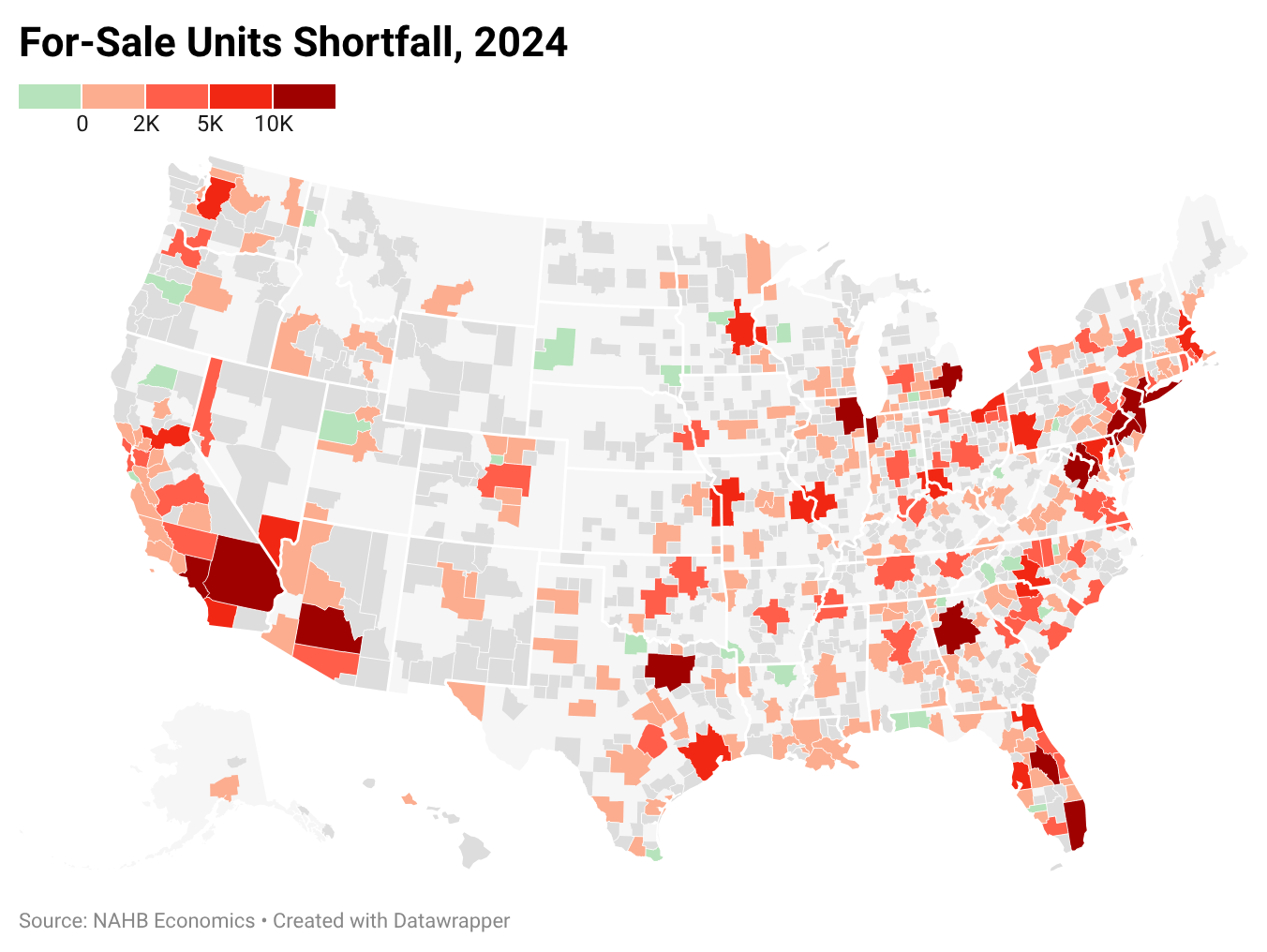
New data from Eye On Housing and the NAHB shows the U.S. remains short more than 1.2 million housing units, keeping pressure on both rents and home prices. Record‑low vacancy rates, slow single‑family construction, and restrictive zoning continue to fuel intense competition in 2024. Major metros like Chicago, New York, and Atlanta face some of the deepest deficits, and the true nationwide shortfall may be even higher when accounting for overcrowding and aging homes. For real estate professionals, the ongoing shortage means sustained demand, tighter inventory, and major opportunities for those who understand the evolving market.

AI Isn’t the Shiny Object Anymore — It’s the New System Driving Real Estate Success

Top real estate coach Jason Pantana says the divide between agents today isn’t about who has “tried” AI — it’s about who is immersed in it. In a new HousingWire interview, he explains why AI isn’t a gimmick but a full business system that amplifies output, improves authenticity, and reshapes how clients search for agents. From prompt mastery to AI‑driven visibility on Google, Pantana reveals how agents who commit even 15 minutes a day to learning AI are already outperforming those who hesitate.

DFW Commercial Real Estate 2025: Industrial Surges, Retail Shines, Office Struggles

Dallas–Fort Worth’s commercial real estate market closed 2025 with a split personality. Industrial dominated with massive new deliveries and soaring leasing demand, retail held steady with some of the market’s strongest fundamentals in years, and office continued to falter under remote‑work pressures. High vacancies, weak absorption, and rising demand for top‑tier space show the sector’s ongoing reset. Meanwhile, industrial and retail strength position the Metroplex for another powerhouse year heading into 2026.