 Artificial Intelligence (AI) is no longer just a buzzword—it is fundamentally reshaping industries worldwide, with the real estate sector being no exception. From leveraging predictive analytics to offering immersive virtual tours, AI is revolutionizing how properties are bought, sold, and managed. By processing vast amounts of data quickly and accurately, AI empowers buyers, sellers, and agents to make more informed decisions, ultimately creating a more seamless property transaction experience.

The Impact of Geopolitics on Real Estate – Insights from José Manuel Durȃo Barroso
Durȃo Barroso articulated a stark view of the current geopolitical climate, describing it as "polarized, fragmented, very volatile"... unpredictable and dangerous.

Getting licensed or staying ahead in your career can be a journey—but it doesn’t have to be overwhelming. Grab your favorite coffee or tea, take a moment to relax, and browse through our articles. Whether you’re just starting out or renewing your expertise, we’ve got tips, insights, and advice to keep you moving forward. Here’s to your success—one sip and one step at a time!
Durȃo Barroso articulated a stark view of the current geopolitical climate, describing it as "polarized, fragmented, very volatile"... unpredictable and dangerous.
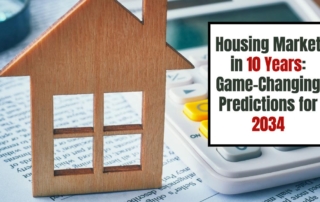
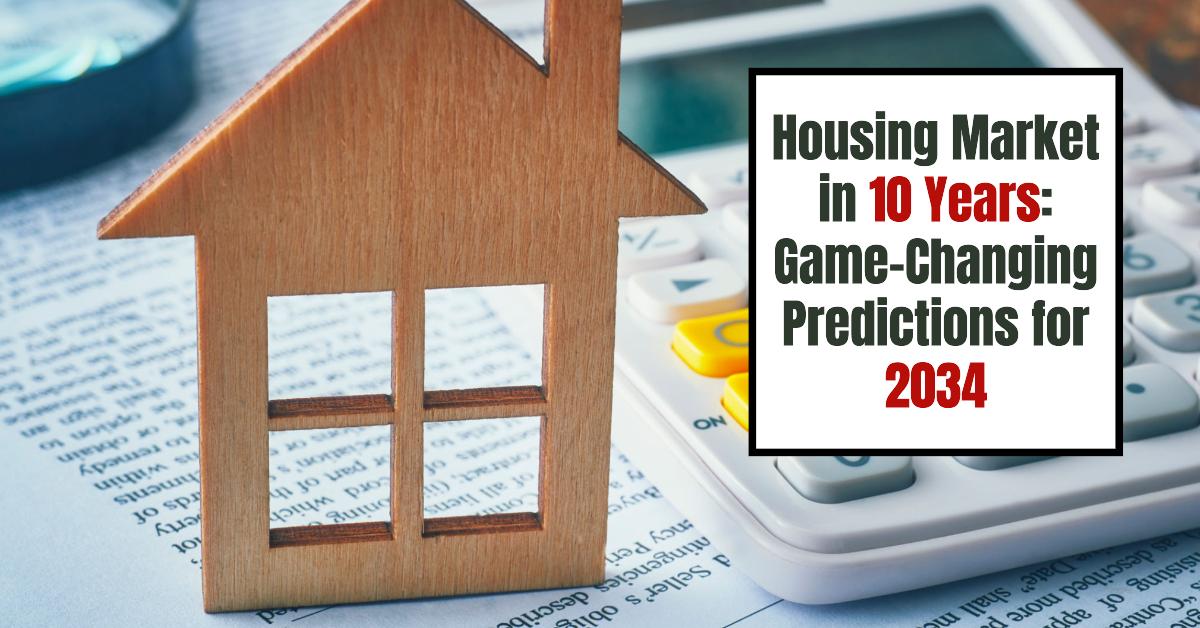
The US housing market in 10 years is poised for significant transformation, driven by a complex interplay of demographic, technological, economic, and environmental factors. By 2034, we may see a housing landscape that is more diverse, technologically advanced, and responsive to the needs of an evolving population.
In the quest to decarbonize the built environment, green finance emerges as a pivotal tool. However, its potential remains largely untapped. Despite the issuance of an impressive US$7.1 trillion in sustainable debt over the past five years, a mere 7% has been channeled into real estate, with only 12% of green bonds dedicated to decarbonizing buildings.
Uplist's flagship product, RECAPTURE™, has garnered significant attention in the mortgage industry by receiving two prestigious accolades: the 2025 Tech100 Mortgage Award from HousingWire and the Innovations Award from Progress in Lending.
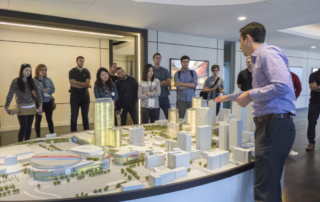
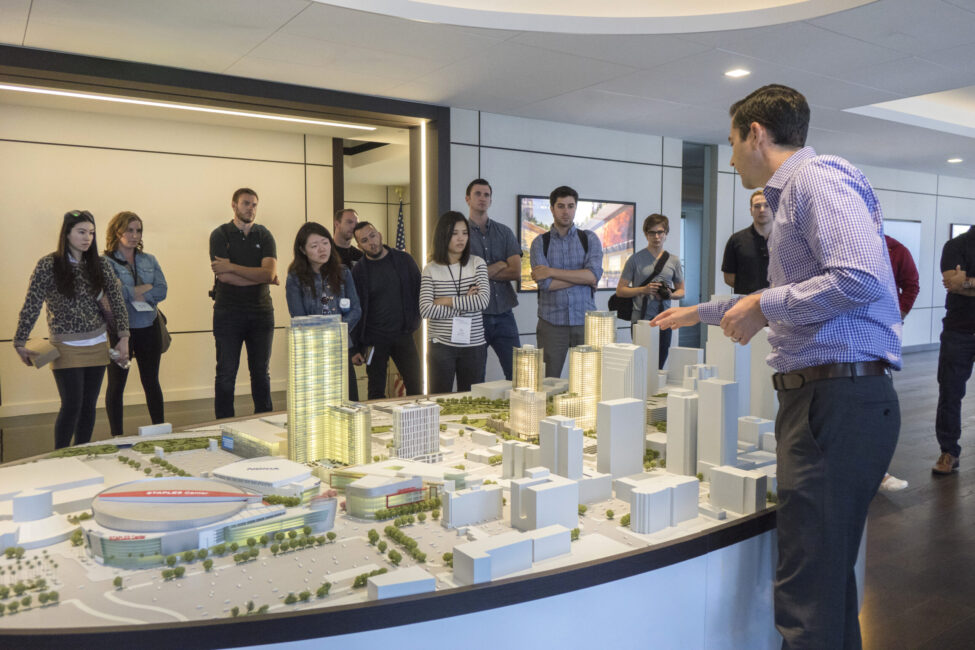
A testament to its enduring excellence, the MRED program at USC equips students with a comprehensive understanding of real estate finance, governance, and development.
Nearly half of coworking operators are breaking even or operating at a loss, highlighting the need for a fresh approach.