 Artificial Intelligence (AI) is no longer just a buzzword—it is fundamentally reshaping industries worldwide, with the real estate sector being no exception. From leveraging predictive analytics to offering immersive virtual tours, AI is revolutionizing how properties are bought, sold, and managed. By processing vast amounts of data quickly and accurately, AI empowers buyers, sellers, and agents to make more informed decisions, ultimately creating a more seamless property transaction experience.
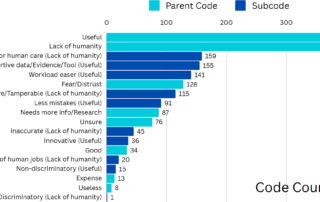
AI in Healthcare: Balancing Innovation with Patient-Centric Ethics
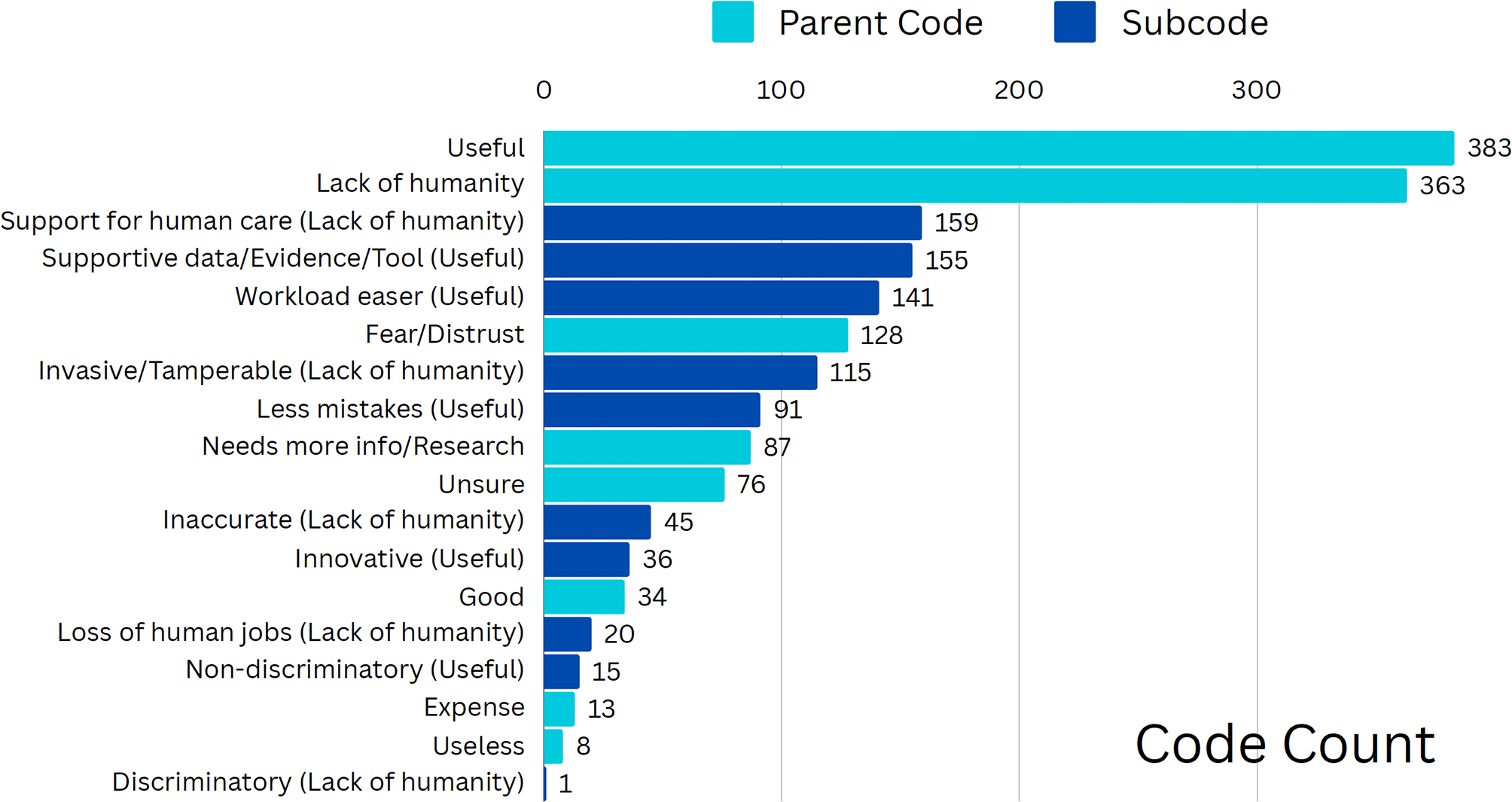
In a rapidly evolving medical landscape, the integration of artificial intelligence (AI) into healthcare is stirring both excitement and apprehension.

Getting licensed or staying ahead in your career can be a journey—but it doesn’t have to be overwhelming. Grab your favorite coffee or tea, take a moment to relax, and browse through our articles. Whether you’re just starting out or renewing your expertise, we’ve got tips, insights, and advice to keep you moving forward. Here’s to your success—one sip and one step at a time!
In a rapidly evolving medical landscape, the integration of artificial intelligence (AI) into healthcare is stirring both excitement and apprehension.
Indian markets are gearing up for a promising start to 2025, even as they navigate the complexities of global economic conditions.
The healthcare industry is undergoing a seismic shift, embracing digital transformation at an unprecedented pace. As we approach 2025, several key trends are set to redefine patient payments, addressing both technological advancements and consumer needs.
When a company of that scale moves in this direction, it sends a signal to many other organizations and companies that have been wrestling with the same set of considerations of, how do we work best?”
The much-discussed AI revolution in healthcare is set to unfold not in the clinical domain but through foundational changes within health systems' operations. While public attention has focused on AI's potential in diagnostics and clinical decision-making, its real power by 2025 will manifest in enhancing the operational infrastructure that supports patient care.
In the bustling arena of American politics, where clashes are common and agreements rare, Vice President Kamala Harris and former President Donald Trump find common ground on an issue that strikes at the heart of many voters: the escalating cost of housing.