Artificial Intelligence (AI) is no longer just a buzzword—it is fundamentally reshaping industries worldwide, with the real estate sector being no exception. From leveraging predictive analytics to offering immersive virtual tours, AI is revolutionizing how properties are bought, sold, and managed. By processing vast amounts of data quickly and accurately, AI empowers buyers, sellers, and agents to make more informed decisions, ultimately creating a more seamless property transaction experience.
In this examination, we delve into AI’s transformative impact on the real estate industry and its future implications for property investment and management. This story is inspired by an insightful article from Substack.
Predictive Analytics for Smarter Decisions
AI employs historical and real-time data to forecast market trends, aiding investors and developers in making informed choices. For buyers and investors, AI-powered platforms analyze market conditions, property values, and neighborhood growth trends. Meanwhile, developers benefit from predictive models that suggest optimal locations and property types, ensuring their projects align with market demand.
Virtual Tours and Enhanced Customer Experience
AI-driven virtual reality (VR) and augmented reality (AR) tools revolutionize property viewing, allowing buyers to explore homes remotely, thus saving time and reducing effort. Furthermore, AI enhances the virtual staging of properties, enabling potential buyers to visualize various layouts and designs.
Chatbots and AI Assistants
AI-driven chatbots and virtual assistants improve customer service by providing immediate responses to inquiries. For agents and brokers, chatbots handle repetitive queries, freeing them to focus on closing deals. Buyers and renters enjoy 24/7 support, including property searches, viewing scheduling, and mortgage estimates.
Property Valuation and Pricing
By analyzing market trends, property features, and comparable sales, AI algorithms provide precise property valuations. Sellers can set competitive asking prices, while buyers are ensured to not overpay by having insights into market data and predicted price trends.
Fraud Detection and Risk Management
AI enhances security and reduces risks in real estate transactions. It detects fraud by identifying unusual patterns in data and assesses potential risks in investments, such as market volatility or environmental hazards, providing critical insights for investors.
Streamlined Property Management
AI-powered tools bring efficiency to property management. Smart maintenance systems predict property conditions and maintenance needs, preventing costly repairs. Additionally, AI evaluates tenant applications, ensuring reliable renters are selected based on credit history and rental behavior.
Some noteworthy examples of AI integration include Zillow’s AI-powered algorithms for property valuations, Compass’s use of AI in providing tools for pricing strategies, and OpenDoor’s streamlined home-buying and selling processes.
While AI offers significant opportunities, its widespread adoption faces challenges such as data privacy concerns, bias in algorithms, and the substantial investment required for technology integration. Looking ahead, AI’s role in real estate promises innovations like smart contracts, blockchain integration, and a shift toward AI-driven property development. The technology is expected to contribute to smarter cities, facilitate global real estate transactions, and promote sustainability through optimized energy management in properties.
More Articles
Getting licensed or staying ahead in your career can be a journey—but it doesn’t have to be overwhelming. Grab your favorite coffee or tea, take a moment to relax, and browse through our articles. Whether you’re just starting out or renewing your expertise, we’ve got tips, insights, and advice to keep you moving forward. Here’s to your success—one sip and one step at a time!
DeFi platforms are revolutionizing financial services, affecting everything from asset management to banking and compliance. This transformation is driven by the transparency and efficiency of blockchain technology, which introduces innovations like smart contracts and tokenization.
In a world where digital threats loom large, the banking sector finds itself at a critical juncture. A recent story shared by an acquaintance, Dave, underscores the pervasive risk of cyberattacks that banks face today. Dave, who works in the banking sector, was caught off guard by a phishing attempt that seemed legitimate. Fortunately, it was a security test, but it highlighted a glaring vulnerability.
Nursing vacancies have surged to 17%, more than doubling pre-pandemic levels, prompting hospitals to go beyond mere salary increases and benefits enhancements.
In an era where technology is reshaping every facet of our lives, healthcare stands at the forefront of this digital revolution. As we delve into 2024, the integration of telehealth, AI, and wearable technologies is setting new benchmarks in patient care and accessibility.
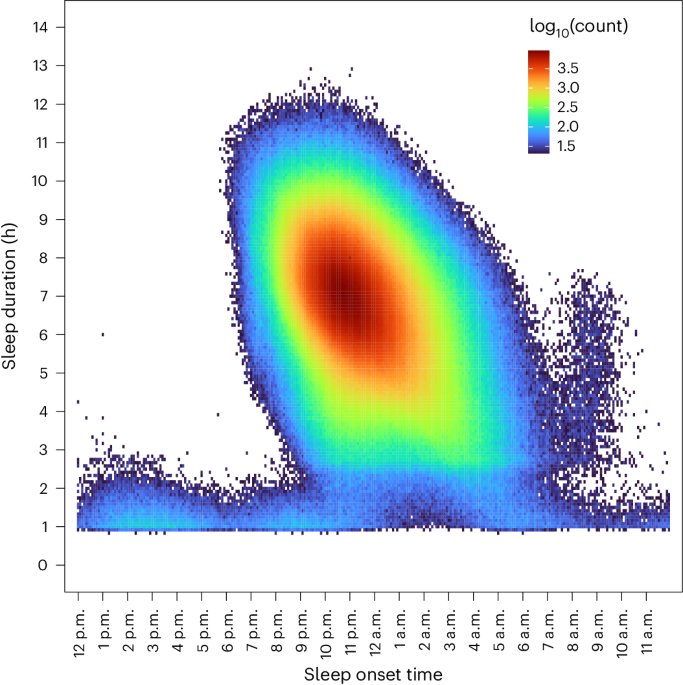
By tracking sleep patterns over extended periods, wearables provide a unique opportunity to observe the long-term effects of sleep on health, offering valuable insights for both public health policies and individual health management.

 Artificial Intelligence (AI) is no longer just a buzzword—it is fundamentally reshaping industries worldwide, with the real estate sector being no exception. From leveraging predictive analytics to offering immersive virtual tours, AI is revolutionizing how properties are bought, sold, and managed. By processing vast amounts of data quickly and accurately, AI empowers buyers, sellers, and agents to make more informed decisions, ultimately creating a more seamless property transaction experience.