Exploring the Intersection of AI and Patient-Centered Care
In a groundbreaking study published in
BMC Medical Ethics, researchers have delved into the public’s perception of
artificial intelligence (AI) in healthcare, spotlighting both ethical concerns and potential opportunities for enhancing
patient-centered care. As
AI continues to permeate various facets of medical practice, understanding its impact on patient trust and decision-making has become increasingly critical.
AI in Healthcare: A Double-Edged Sword
The study, conducted by researchers from Florida Atlantic University and the University of South Florida, surveyed 600 adults in Florida to gauge their comfort levels with
AI in healthcare tasks. The findings reveal a complex relationship between
AI integration and patient trust. While
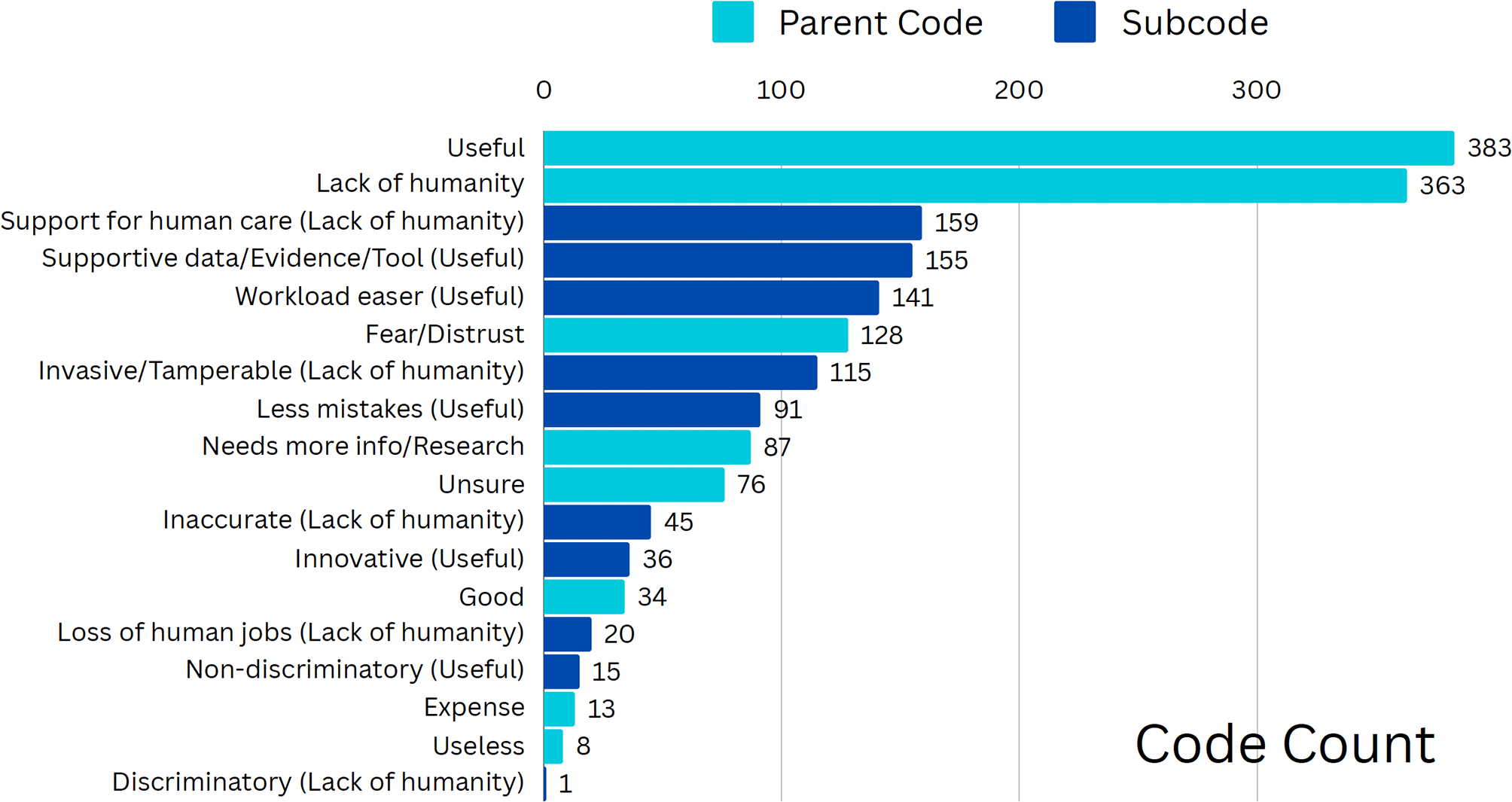
AI is seen as a tool that could potentially improve efficiency and support medical professionals, there is a palpable concern about losing the “human touch” in patient care.
Interestingly, the study found that while 84.2% of respondents felt comfortable with
AI handling administrative tasks, such as scheduling appointments, only 33.7% were comfortable with
AI administering medications. This dichotomy underscores the need for careful integration of
AI into healthcare settings, ensuring it complements rather than replaces human interaction.
Trust and Autonomy: Key Concerns
One of the study’s critical insights is the public’s apprehension about
AI’s role in clinical decision-making. Many participants expressed discomfort with
AI making autonomous medical decisions, highlighting a broader concern about maintaining patient autonomy and consent. As
AI technologies advance, the study suggests that incorporating informed consent procedures and clearly communicating the benefits and risks of
AI to patients could enhance trust and acceptance.
Regulation and Ethical Guidelines: A Call to Action
Despite
AI’s potential to revolutionize healthcare, the study emphasizes the urgent need for regulation and ethical guidelines. Without clear oversight, the integration of
AI could inadvertently undermine
patient-centered care principles. The researchers advocate for a framework that includes transparency, accountability, and patient choice, ensuring
AI’s role in healthcare aligns with ethical standards.
Opportunities for Equitable Care
Beyond the challenges, the study also highlights opportunities for
AI to contribute to more equitable healthcare. By eliminating biases and supporting data-driven decisions,
AI has the potential to enhance patient outcomes and reduce disparities. However, this potential can only be realized if
AI systems are designed with patient values and preferences in mind.
For those interested in exploring the full findings and methodology of this study, the original article is accessible on
BMC Medical Ethics. The data, publicly released on September 6, 2023, is available on the
University of South Florida’s webpage.
Conclusion
As
AI continues to shape the future of healthcare, this study serves as a crucial reminder of the importance of balancing technological advancements with ethical considerations. By prioritizing
patient-centered care and addressing public concerns, the medical community can harness
AI’s potential to improve healthcare delivery while preserving the essential human elements of care.