“`html

Exploring the Italian Real Estate Market: A Guide for 2025

As the Italian real estate market gears up to reach an impressive US $8.03 trillion by the end of this year, potential buyers are keen to explore the opportunities that lie ahead. In a comprehensive guide published by Get Golden Visa, the intricacies of purchasing property in Italy are laid bare, offering valuable insights for both foreign and local investors.


Understanding the Market Dynamics

Italy’s property market is witnessing a steady growth, with a projected 1.02% CAGR from 2024 to 2029. This growth trajectory signals a prime time for investment, especially for those looking to capitalize on high returns. For more details, visit the original article.


Steps for Foreign Buyers

Foreigners interested in buying property in Italy must navigate a few legal considerations. While Italy is largely a “no-restriction zone,” certain rules apply, especially for non-residents. Notably, nationals from the US, UK, and Canada can purchase property due to reciprocal treaties. For a deeper dive, check out the Italian Citizenship Guide.


Investment and Personal Purchase Insights

Whether for investment or personal use, understanding regional differences in property prices is crucial. For instance, Milan’s property prices have surged by 3.1% since 2023, while Florence and Rome have also seen significant increases. Learn more about these trends in the Americans Moving to Italy from USA guide.


Benefits of Buying in Italy

Italy’s allure extends beyond its scenic landscapes. With low property taxes and a relatively cheap cost of living, the country offers a compelling case for property investment. The Residency by Investment program further enhances the appeal for international investors.


Conclusion

As Italy’s real estate market continues to flourish, this guide serves as an essential resource for anyone considering a property purchase. With its blend of cultural richness and economic opportunity, Italy remains a top destination for investors and homeowners alike.

“`

More Articles

Getting licensed or staying ahead in your career can be a journey—but it doesn’t have to be overwhelming. Grab your favorite coffee or tea, take a moment to relax, and browse through our articles. Whether you’re just starting out or renewing your expertise, we’ve got tips, insights, and advice to keep you moving forward. Here’s to your success—one sip and one step at a time!

The Mortgage Industry’s AI Transformation: Automation Reshapes Lending From Application to Approval

Artificial intelligence is rapidly reshaping the mortgage industry, boosting productivity, reducing manual work, and accelerating loan closings. From automated document data extraction to AI‑generated underwriting narratives and predictive analytics, lenders are using new tools that improve accuracy and drastically speed up processing times. With chatbots, next‑gen point‑of‑sale systems, and end‑to‑end automation, preapprovals that once took days now take minutes. For mortgage and real estate professionals, mastering AI is becoming a major competitive advantage—one that defines who will thrive in the future of lending.

Why Your Insurance Bill Is Rising Even as Florida Rates Go Down

Florida’s property insurance rates are finally starting to drop, but many homeowners are still seeing higher monthly bills. The reason isn’t insurer price hikes—it’s soaring replacement costs driven by construction inflation, labor shortages, and rising home values. Nearly 75 percent of recent premium increases came from higher property values alone. Understanding this gap between “rates” and “premiums” helps homeowners—and real estate and insurance professionals—navigate the shifting Florida market and make smarter coverage decisions.

Milwaukee’s Commercial Real Estate Market Turns a Corner

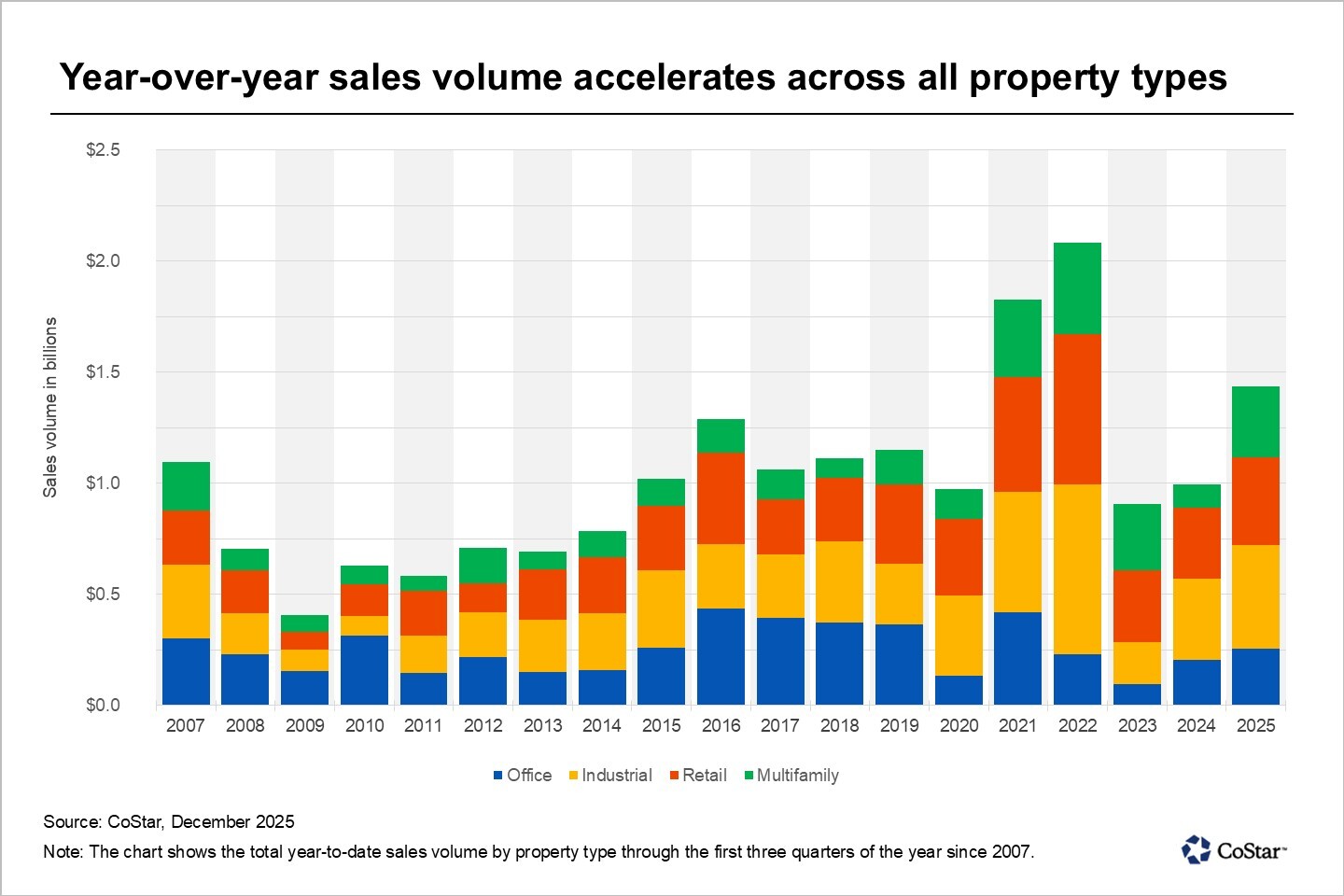
Milwaukee’s commercial real estate market is finally showing real signs of recovery, with 2025 sales volume hitting a three‑year high and investor confidence steadily returning. Driven by selective, fundamentals‑focused buying—favoring strong cash flow, quality assets, and strategic pricing—the city is moving from a period of correction into a healthier, opportunity‑rich phase. For real estate professionals nationwide, Milwaukee’s momentum reflects broader CRE market stabilization and the growing importance of disciplined underwriting and market expertise.

Reverse Mortgage Market Poised for Breakout Growth in 2026

Industry leaders project a major surge in reverse mortgage activity heading into 2026, fueled by rising proprietary products, lender innovation, and strong investor interest. As high interest rates push originators to adopt new strategies, flexible private‑label options, senior‑focused HELOCs, and a wave of big‑capital investment are reshaping the market. With education and policy shifts poised to unlock even more demand, reverse mortgages are entering their most transformative era yet.

The 2026 Housing Market Outlook: Is Better Inventory Finally on the Horizon?

Experts forecast that 2026 may bring long‑awaited relief to homebuyers, with both existing and new home inventory expected to rise. NAR predicts a boost in home sales, a slight drop in mortgage rates, and a modest 4% increase in prices—conditions that could motivate more homeowners to list while builders add over a million new homes to the market. For first‑time buyers, higher loan limits and easing qualification standards may make entering the market more achievable than in recent years.

Lower Interest Rates Signal a Brighter 2026 for South Florida Real Estate

South Florida enters 2026 with renewed optimism as falling mortgage rates, improving buyer confidence, and a strong job market help stabilize a housing landscape that struggled in 2025—especially in the condo sector. While single-family homes remained resilient last year, condos faced price drops, rising fees, and hesitation tied to new safety regulations. With rates projected to fall to around 5.8% by year’s end, buying power is increasing, inventory may loosen, and activity is expected to pick up. Still, affordability challenges persist, Miami’s rental market remains intensely competitive, and the condo sector’s recovery will take time.