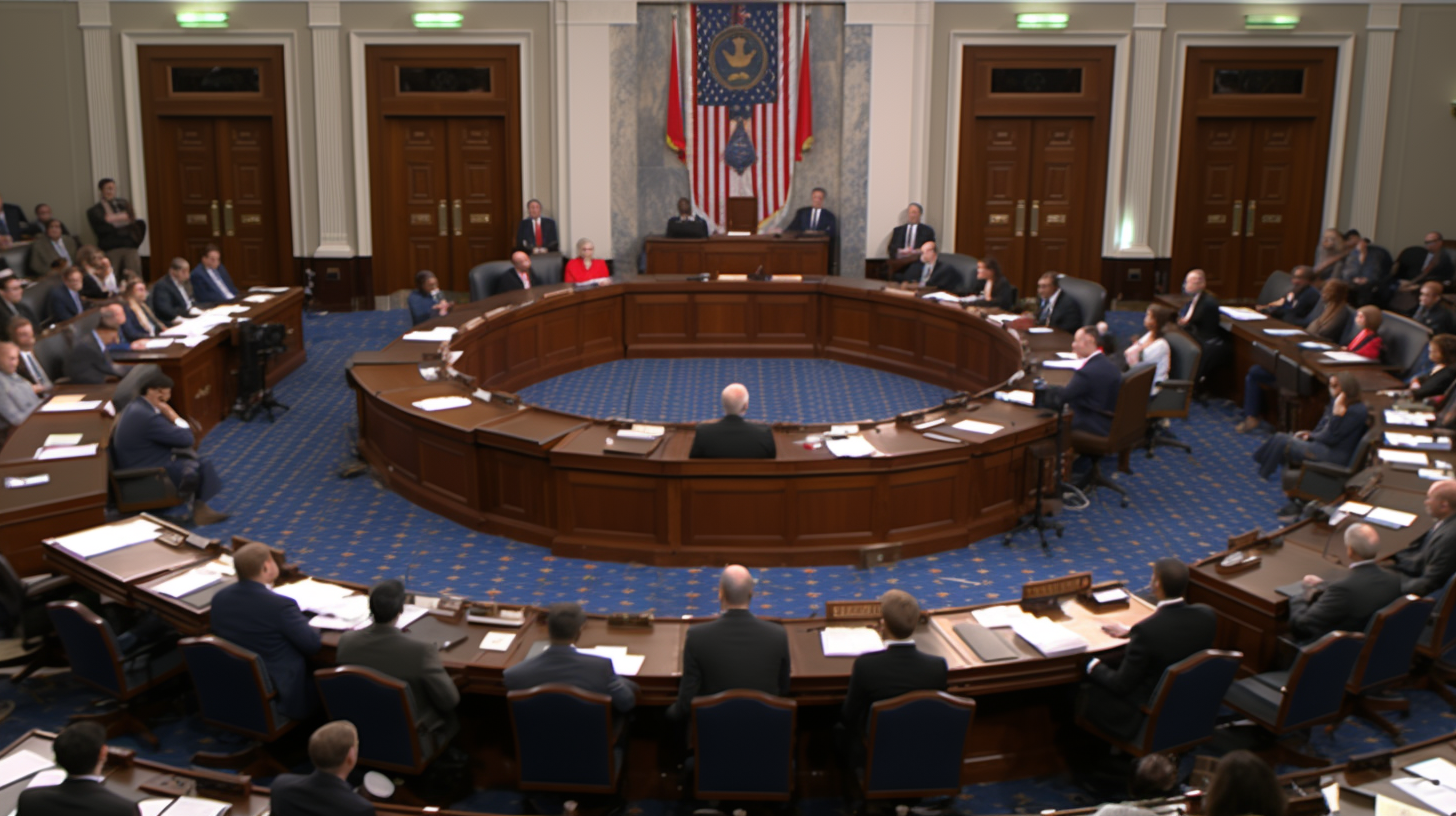
As the dawn of smart cities emerges, the landscape of urban development is undergoing a seismic shift, particularly in the realms of real estate and construction. These futuristic urban areas are not just a figment of imagination anymore; they are becoming a tangible reality. By integrating cutting-edge technologies such as the Internet of Things (IoT), artificial intelligence (AI), and big data, smart cities aim to enhance the quality of life for residents, bolster sustainability, and invigorate economic growth.
Major projects like The Line in Saudi Arabia, Toyota’s Woven City in Japan, and Net City in China are at the forefront of this movement, setting new benchmarks for how buildings are designed, managed, and valued. This evolution presents both significant opportunities and challenges for the real estate and construction sectors.

At a Glance: Smart Cities and Real Estate


Smart cities are built on the pillars of interconnectivity, sustainability, and technological integration into daily life. This paradigm shift is reshaping market expectations and investment strategies within the real estate sector. Properties equipped with smart technologies, such as energy management systems and high-speed connectivity, are increasingly in demand. Furthermore, green buildings with sustainable designs and eco-friendly features not only cut operational costs but also align with the growing emphasis on environmental responsibility.
Developers are now expected to think beyond mere physical structures, incorporating technologies that enhance residents’ quality of life. The Build-to-Rent (BTR) market is particularly well-positioned to benefit, as asset owners seek smart solutions that address societal changes like hybrid working and electric vehicle adoption.

Construction’s Role in Smart City Development


The rise of smart cities is transforming the construction industry, prompting a shift from traditional building methods to more collaborative, data-driven approaches. Construction firms are increasingly tasked with integrating technologies like Building Information Modelling (BIM), IoT-enabled devices, and wireless infrastructure such as 5G and Wi-Fi 6. According to RSM UK, early incorporation of these technologies is essential for improving project timelines and ensuring buildings are fully equipped for the broader smart city ecosystem.
The economic benefits for the construction sector are substantial. By embracing smart infrastructure early on, firms can reduce costs, boost productivity, and position themselves as leaders in an industry undergoing significant change.

Global Leaders in Smart City Development


Countries like China and Saudi Arabia are emerging as global leaders in smart city development, often outpacing the European Union in several key areas. This dynamic is driven by governance structures, economic strategies, and technological investment. China’s top-down approach allows for quick decision-making and the mobilisation of substantial financial resources, accelerating the development of smart city initiatives. Similarly, Saudi Arabia’s Vision 2030 plan aims to drive economic diversification through projects like The Line.
However, the European Union faces challenges such as stringent regulations and a strong focus on data privacy, which often hinder the swift implementation of large-scale projects.

The Line: Ambition Meets Reality in Smart City Development


The Line, part of Saudi Arabia’s NEOM initiative, is among the most ambitious smart city projects. Initially launched with plans to create a 106-mile-long linear city, The Line was designed to be car-free, connected by high-speed rail, and powered entirely by renewable energy. However, reports emerged in April 2024 that The Line had drastically scaled back its initial plans due to budget constraints and logistical challenges. This scaling back highlights the complexities of implementing large-scale smart city projects.

Challenges and Opportunities


While the opportunities are vast, the transition to smart cities also presents challenges. A key hurdle is the digital skills gap within the construction industry. According to Autodesk’s Construction Cloud Report, construction professionals believe the skills required in the sector will shift significantly, pointing to the need for capabilities in AI, virtual reality, and data use for asset operations.
Moreover, the shortage of digital expertise is likely to exacerbate existing talent shortages. Public-private collaboration and innovative financing models will be essential to making smart city projects feasible. Additionally, the risk of data breaches increases as smart cities generate vast amounts of data, necessitating strong security measures.
Finally, addressing social equity is crucial to ensure smart cities benefit all residents, not just those with access to technology.

Conclusion


Smart cities present a new vision of urban life, blending technology and sustainability to create environments that are more efficient, liveable, and inclusive. For real estate developers and construction firms, this is a crucial moment to invest in smart technologies and eco-friendly practices. The rise of smart cities offers an opportunity not just to enhance urban living but also to reimagine what our cities can and should be.


More Articles

Getting licensed or staying ahead in your career can be a journey—but it doesn’t have to be overwhelming. Grab your favorite coffee or tea, take a moment to relax, and browse through our articles. Whether you’re just starting out or renewing your expertise, we’ve got tips, insights, and advice to keep you moving forward. Here’s to your success—one sip and one step at a time!

New Policy by REBNY Mandates Direct Payment to Buyer’s Agent

The Real Estate Board of New York (REBNY) has announced a new policy requiring sellers to directly pay the buyer's agent, effective from January 1. This significant shift aims to enhance transparency and address potential conflicts of interest in real estate transactions. The policy comes amidst ongoing lawsuits related to commission sharing and allegations of unethical practices. The implementation of this policy is expected to impact the real estate industry significantly, with sellers needing to factor in the cost of the buyer's agent commission when pricing their properties.

By |October 27, 2023|Categories: Real Estate Policy|Tags: |0 Comments

Senate Decision Sparks Controversy Over Small Business Lending

In a significant development, the U.S. Senate has voted to block the implementation of the Consumer Financial Protection Bureau's (CFPB) small business lending rule. This decision has sparked a heated debate over the impact it may have on small businesses across the country. President Biden, in response, has threatened to veto the Senate's decision, emphasizing his commitment to fair lending practices and supporting small businesses. The CFPB's rule, implemented in October 2020, requires lenders to collect and report data on small business lending. This includes information on the race, sex, and ethnicity of borrowers, with the aim of identifying and addressing potential disparities in access to credit for minority-owned and women-owned small businesses. The Senate's decision to block the CFPB's rule has been celebrated by small business advocates and industry groups critical of the CFPB's regulatory approach. However, the implications of this decision remain uncertain, as President Biden's threatened veto looms large.

By |October 26, 2023|Categories: Small Business Lending|Tags: |0 Comments

Assessing the Merits of Class-Action Commission Lawsuits

The world of real estate has recently been shaken by a wave of class-action commission lawsuits, sparking a contentious debate. These lawsuits demand scrutiny to understand their implications and validity. A primary counter-argument is the freedom of consumer choice. In today's digital age, potential buyers and sellers have access to a wealth of online resources, enabling them to undertake real estate transactions independently. Another critical factor is the negotiability of commissions in the real estate sector. Commission rates are not fixed, they are subject to negotiation between the agent and the client. This flexibility allows for open discussions, leading to mutually agreeable terms. Despite the emergence of discount brokerage firms, consumers continue to place their trust in traditional real estate agents. This preference stems not only from cost considerations but also from the value of expertise, guidance, and personalized service that agents offer. Real estate transactions are complex and often involve significant financial investments. Trusted agents provide invaluable insights, market knowledge, and negotiation skills, helping clients make informed decisions and navigate potential challenges confidently.

Understanding the Current Housing Market: The Affordability of the Typical US Home

In the last two years, the housing market has seen a dramatic shift. Soaring mortgage rates and rising home prices have led to the fastest erosion in housing market affordability in modern history, with first-time homebuyers feeling the impact the most. The housing market has undergone significant changes over the past two years, leading to a substantial increase in the income required to purchase a median-priced home. According to recent data from Redfin, a homebuyer must now earn $114,627 to afford the typical U.S. home. This is a 15% increase from the previous year and more than 50% higher than pre-pandemic levels.

Unwavering New Listings Data Amid 8% Mortgage Rates

The housing market has shown remarkable resilience in the face of rising mortgage rates. Despite rates reaching 8%, new listings data remains steady, indicating a healthy supply of homes for sale. This stability is a positive sign for both buyers and sellers, demonstrating the strength of the housing market. Despite the increase in mortgage rates, sellers in the housing market have maintained their confidence. This confidence is reflected in the steady new listing data, as sellers continue to list their properties without hesitation. It indicates that sellers believe there is still strong demand from buyers and that the potential financial impact of higher mortgage rates does not outweigh the benefits of selling their homes.

Revolution in the Real Estate Industry: New Requirement for Sellers to Compensate Buyers’ Agents

The Real Estate Board of New York (REBNY) has introduced a groundbreaking requirement for sellers to directly compensate buyers' agents. This significant change has the potential to transform the real estate industry, eliminating conflicts of interest and promoting a more client-centric approach. This shift in the compensation landscape aims to create a more transparent and trustworthy environment for buyers. Moreover, this shift towards a client-centric approach aligns with the mission and values of Cameron Academy. As a leading provider of real estate education, Cameron Academy is committed to empowering professionals to navigate the evolving industry landscape and prioritize the best interests of their clients.

By |October 25, 2023|Categories: Real Estate Industry|Tags: |0 Comments