As the dawn of
smart cities emerges, the landscape of urban development is undergoing a seismic shift, particularly in the realms of
real estate and
construction. These futuristic urban areas are not just a figment of imagination anymore; they are becoming a tangible reality. By integrating cutting-edge technologies such as the
Internet of Things (IoT),
artificial intelligence (AI), and
big data, smart cities aim to enhance the quality of life for residents, bolster sustainability, and invigorate economic growth.
Major projects like
The Line in Saudi Arabia, Toyota’s Woven City in Japan, and Net City in China are at the forefront of this movement, setting new benchmarks for how buildings are designed, managed, and valued. This evolution presents both significant opportunities and challenges for the real estate and construction sectors.
At a Glance: Smart Cities and Real Estate
Smart cities are built on the pillars of interconnectivity, sustainability, and technological integration into daily life. This paradigm shift is reshaping market expectations and investment strategies within the
real estate sector. Properties equipped with smart technologies, such as
energy management systems and
high-speed connectivity, are increasingly in demand. Furthermore,
green buildings with sustainable designs and eco-friendly features not only cut operational costs but also align with the growing emphasis on environmental responsibility.
Developers are now expected to think beyond mere physical structures, incorporating technologies that enhance residents’ quality of life. The
Build-to-Rent (BTR) market is particularly well-positioned to benefit, as asset owners seek smart solutions that address societal changes like hybrid working and electric vehicle adoption.
Construction’s Role in Smart City Development
The rise of
smart cities is transforming the
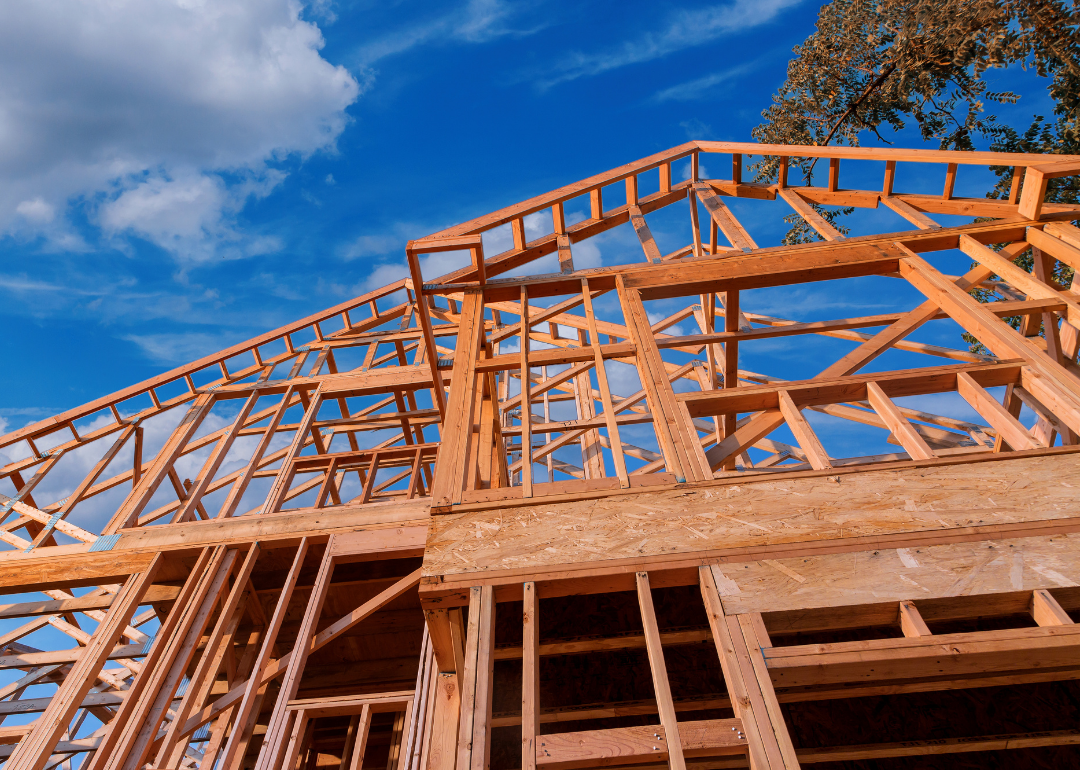
construction industry, prompting a shift from traditional building methods to more collaborative, data-driven approaches. Construction firms are increasingly tasked with integrating technologies like
Building Information Modelling (BIM),
IoT-enabled devices, and wireless infrastructure such as
5G and
Wi-Fi 6. According to
RSM UK, early incorporation of these technologies is essential for improving project timelines and ensuring buildings are fully equipped for the broader smart city ecosystem.
The economic benefits for the construction sector are substantial. By embracing smart infrastructure early on, firms can reduce costs, boost productivity, and position themselves as leaders in an industry undergoing significant change.
Global Leaders in Smart City Development
Countries like
China and
Saudi Arabia are emerging as global leaders in
smart city development, often outpacing the
European Union in several key areas. This dynamic is driven by governance structures, economic strategies, and technological investment. China’s top-down approach allows for quick decision-making and the mobilisation of substantial financial resources, accelerating the development of smart city initiatives. Similarly, Saudi Arabia’s
Vision 2030 plan aims to drive economic diversification through projects like The Line.
However, the European Union faces challenges such as stringent regulations and a strong focus on data privacy, which often hinder the swift implementation of large-scale projects.
The Line: Ambition Meets Reality in Smart City Development
The Line, part of Saudi Arabia’s NEOM initiative, is among the most ambitious
smart city projects. Initially launched with plans to create a 106-mile-long linear city, The Line was designed to be car-free, connected by high-speed rail, and powered entirely by renewable energy. However,
reports emerged in April 2024 that The Line had drastically scaled back its initial plans due to budget constraints and logistical challenges. This scaling back highlights the complexities of implementing large-scale smart city projects.
Challenges and Opportunities
While the opportunities are vast, the transition to
smart cities also presents challenges. A key hurdle is the digital skills gap within the
construction industry. According to
Autodesk’s Construction Cloud Report, construction professionals believe the skills required in the sector will shift significantly, pointing to the need for capabilities in AI, virtual reality, and data use for asset operations.
Moreover, the shortage of digital expertise is likely to exacerbate existing talent shortages. Public-private collaboration and innovative financing models will be essential to making smart city projects feasible. Additionally, the risk of data breaches increases as smart cities generate vast amounts of data, necessitating strong security measures.
Finally, addressing social equity is crucial to ensure smart cities benefit all residents, not just those with access to technology.
Conclusion
Smart cities present a new vision of urban life, blending technology and sustainability to create environments that are more efficient, liveable, and inclusive. For
real estate developers and
construction firms, this is a crucial moment to invest in smart technologies and eco-friendly practices. The rise of smart cities offers an opportunity not just to enhance urban living but also to reimagine what our cities can and should be.