Exploring the Role of Telemedicine in Medical Education


In a recent study published by Frontiers, researchers delved into the transformative impact of a telemedicine-based course on undergraduate medical students during the COVID-19 pandemic. As the pandemic reshaped the landscape of healthcare, telemedicine emerged as a vital tool, not only in patient care but also in medical education.

The Study’s Core Findings


The study, conducted in Indonesia, focused on the reflections of medical students who participated in a telemedicine-based course designed to monitor COVID-19 patients in self-isolation. This innovative approach aimed to bridge the gap created by the suspension of traditional clinical rotations, providing students with crucial learning opportunities despite the pandemic’s constraints.

Four main themes emerged from the students’ self-reflective writings:
  1. Communication and Empathy: Students learned the importance of clear communication and empathy while interacting with patients remotely. This experience highlighted the challenges of building rapport without face-to-face contact.
  2. Professional Identity Formation: The course fostered a sense of purpose and responsibility among students, reinforcing their professional identity as future doctors.
  3. System-Based Practice: Students gained insights into the complexities of healthcare systems and the importance of interprofessional collaboration in pandemic management.
  4. Patient-Centered Care: The course emphasized the need for holistic, patient-centered care, considering patients’ biopsychosocial backgrounds.

Implications for Medical Education


This study underscores the potential of telemedicine to enhance medical education by providing students with real-world experiences in patient care. By involving students in telemedicine, medical schools can cultivate essential skills such as adaptability, empathy, and communication, which are critical for future healthcare professionals.

The findings also suggest that telemedicine can complement traditional clinical education, offering a valuable alternative in situations where direct patient interaction is limited. As telemedicine continues to play a significant role in healthcare, its integration into medical curricula is likely to persist, preparing students for the evolving demands of modern medical practice.

Challenges and Considerations


Despite its benefits, the implementation of telemedicine in medical education requires careful planning and adequate resources. Medical schools must ensure that students and clinical supervisors receive proper training and support to maximize the potential of telemedicine-based learning.

Additionally, addressing disparities in access to telemedicine across different regions is crucial to ensure equitable learning opportunities for all students.

Conclusion


The study provides compelling evidence of the benefits of incorporating telemedicine into medical education. By embracing this approach, medical schools can equip students with the skills and experiences needed to navigate the challenges of future healthcare practice, ultimately contributing to the development of competent, patient-centered physicians.

More Articles

Getting licensed or staying ahead in your career can be a journey—but it doesn’t have to be overwhelming. Grab your favorite coffee or tea, take a moment to relax, and browse through our articles. Whether you’re just starting out or renewing your expertise, we’ve got tips, insights, and advice to keep you moving forward. Here’s to your success—one sip and one step at a time!

Revolutionizing Radiology: AI’s Impact on Diagnostics

AI-powered tools are enhancing the speed and accuracy of diagnoses, significantly benefiting patient outcomes, especially in resource-constrained environments.

By |November 26, 2024|Categories: Article, Artificial Intelligence, Healthcare|Tags: |0 Comments

Exploring the Shifting Landscape of Real Estate in 2024

The real estate market is undergoing significant transformations as we step into 2024, with several trends reshaping the industry. This analysis delves into the top nine trends that are expected to impact the real estate sector this year.

By |November 26, 2024|Categories: Article, Market Trends, Real Estate|Tags: , |0 Comments

AI Revolutionizing Clinical and Molecular Diagnostics

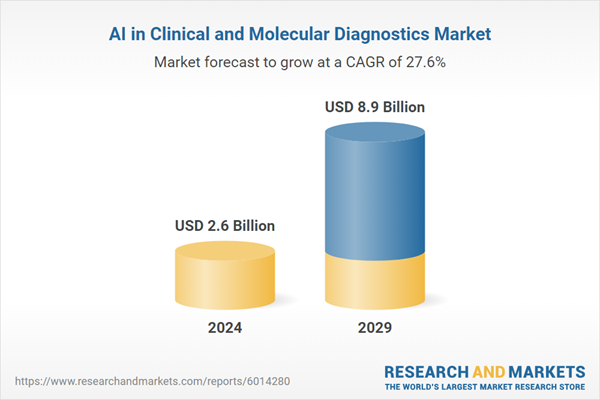
In a groundbreaking development, the market for AI in clinical and molecular diagnostics is set to experience a phenomenal growth trajectory, projected to skyrocket from USD 2.6 billion in 2024 to USD 8.9 billion by 2029 with a robust CAGR of 27.6%.

2025 Banking and Capital Markets Outlook: Navigating Low-Growth Challenges

The overarching goal for banks will be to adapt adeptly to macroeconomic shifts and regulatory implementations such as the Basel III Endgame re-proposal, which calls for strategic recalibration to ensure compliance without sacrificing growth.

CRISPR Technology Market Poised for Remarkable Growth to USD 12,461 Million by 2031

The CRISPR technology market, valued at USD 3,642.1 million in 2024, is anticipated to soar to USD 12,461 million by 2031, marking a robust CAGR of 19.2%.

By |November 25, 2024|Categories: Article, Biotechnology, Healthcare|Tags: , |0 Comments

Mortgage Rates Rise: A Window for Buyers Amid a Cloudy Future

Mortgage rates are climbing, with the 30-year fixed mortgage rate now at 6.64% and the 15-year fixed rate at 5.98%. This increase suggests a challenging landscape for potential refinancing, but a possible opportunity for homebuyers as competition wanes during the holiday season.


By |November 24, 2024|Categories: Article, Finance, Real Estate|Tags: , |0 Comments