Exploring the Role of Telemedicine in Medical Education


In a recent study published by Frontiers, researchers delved into the transformative impact of a telemedicine-based course on undergraduate medical students during the COVID-19 pandemic. As the pandemic reshaped the landscape of healthcare, telemedicine emerged as a vital tool, not only in patient care but also in medical education.

The Study’s Core Findings


The study, conducted in Indonesia, focused on the reflections of medical students who participated in a telemedicine-based course designed to monitor COVID-19 patients in self-isolation. This innovative approach aimed to bridge the gap created by the suspension of traditional clinical rotations, providing students with crucial learning opportunities despite the pandemic’s constraints.

Four main themes emerged from the students’ self-reflective writings:
  1. Communication and Empathy: Students learned the importance of clear communication and empathy while interacting with patients remotely. This experience highlighted the challenges of building rapport without face-to-face contact.
  2. Professional Identity Formation: The course fostered a sense of purpose and responsibility among students, reinforcing their professional identity as future doctors.
  3. System-Based Practice: Students gained insights into the complexities of healthcare systems and the importance of interprofessional collaboration in pandemic management.
  4. Patient-Centered Care: The course emphasized the need for holistic, patient-centered care, considering patients’ biopsychosocial backgrounds.

Implications for Medical Education


This study underscores the potential of telemedicine to enhance medical education by providing students with real-world experiences in patient care. By involving students in telemedicine, medical schools can cultivate essential skills such as adaptability, empathy, and communication, which are critical for future healthcare professionals.

The findings also suggest that telemedicine can complement traditional clinical education, offering a valuable alternative in situations where direct patient interaction is limited. As telemedicine continues to play a significant role in healthcare, its integration into medical curricula is likely to persist, preparing students for the evolving demands of modern medical practice.

Challenges and Considerations


Despite its benefits, the implementation of telemedicine in medical education requires careful planning and adequate resources. Medical schools must ensure that students and clinical supervisors receive proper training and support to maximize the potential of telemedicine-based learning.

Additionally, addressing disparities in access to telemedicine across different regions is crucial to ensure equitable learning opportunities for all students.

Conclusion


The study provides compelling evidence of the benefits of incorporating telemedicine into medical education. By embracing this approach, medical schools can equip students with the skills and experiences needed to navigate the challenges of future healthcare practice, ultimately contributing to the development of competent, patient-centered physicians.


More Articles

Getting licensed or staying ahead in your career can be a journey—but it doesn’t have to be overwhelming. Grab your favorite coffee or tea, take a moment to relax, and browse through our articles. Whether you’re just starting out or renewing your expertise, we’ve got tips, insights, and advice to keep you moving forward. Here’s to your success—one sip and one step at a time!

How Post‑Election Power Shifts Are Setting Up a New Real Estate Landscape for 2026

Local elections across major U.S. cities have kicked off a wave of policy changes that could reshape development costs, rental income, and investment strategies heading into 2026. From NYC’s aggressive tenant‑protection agenda to Chicago’s sustainability push, Miami’s political uncertainty, and Boston’s steady zoning overhaul, the post‑election environment is redefining how real estate professionals, investors, and lenders should prepare for the year ahead.

The Surge of AI Insurance Exclusions Reshaping Professional Liability in 2025

Insurance carriers are rapidly rolling out AI-related exclusions that strip coverage from claims involving AI tools, automated decision‑making, or generative platforms like ChatGPT and Midjourney. With firms like Berkley and Hamilton introducing sweeping “absolute” and generative‑AI‑specific exclusions, professionals in real estate, mortgage, insurance, and finance now face new liability gaps. As AI becomes unavoidable in everyday work, understanding these exclusions is essential for protecting your career and staying compliant in a fast‑changing risk environment.

Venn Lands $52M to Rebuild the Renting Experience — A Shift Real Estate Pros Can’t Ignore

Proptech startup Venn has raised a $52 million Series B to unify the entire renting lifecycle into one intelligent platform, replacing over a dozen traditional systems and serving more than half a million tenants. As AI‑powered tools like Venn rapidly reshape property operations, real estate professionals — especially in fast‑moving markets like Florida — will need stronger education and tech‑savvy skills to stay competitive.

Rising Insurance Costs Push Florida’s Middle Class to the Brink

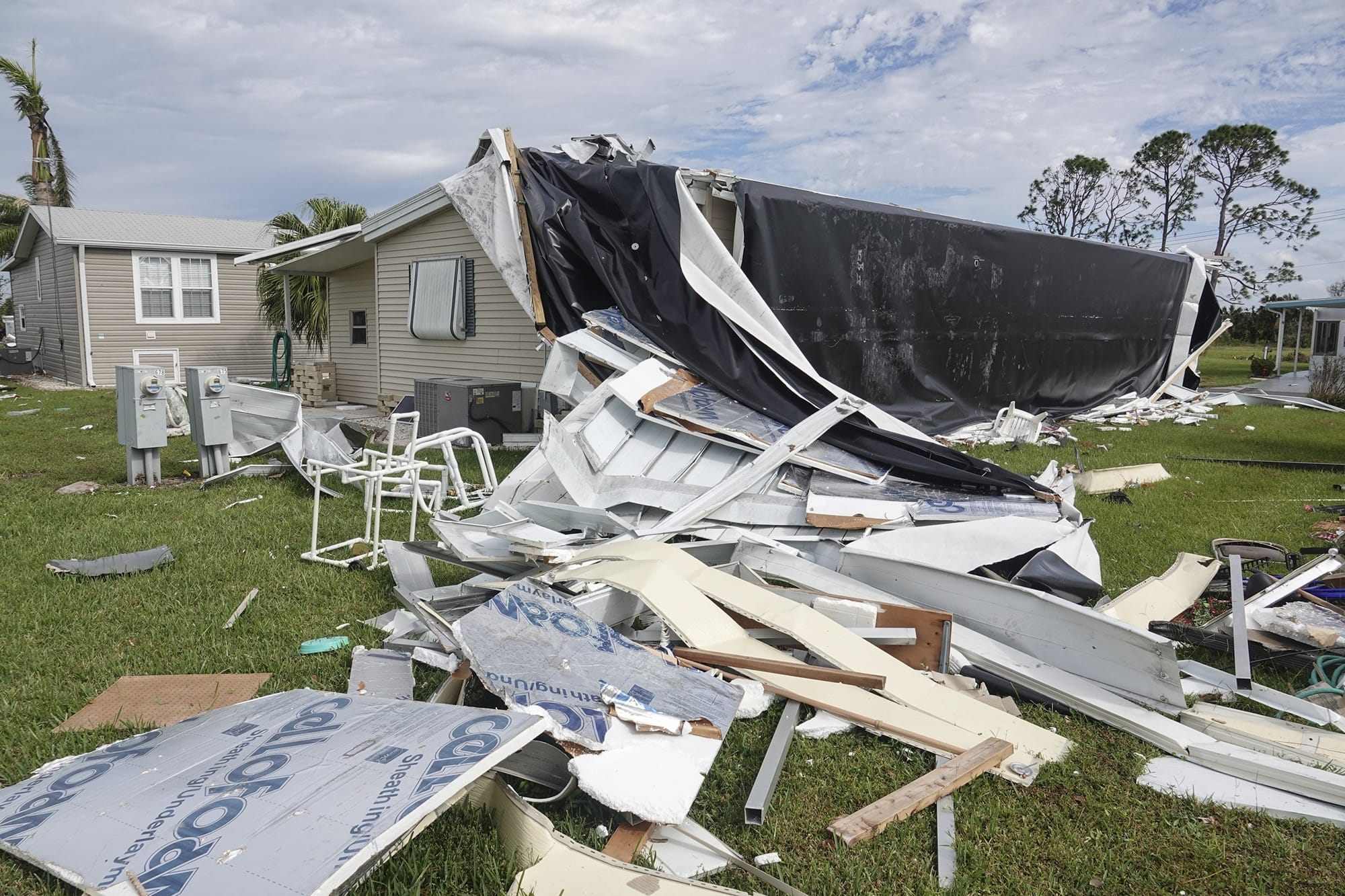
Florida’s Gulf Coast is undergoing a dramatic transformation as soaring insurance premiums, costly construction requirements, and the long shadow of Hurricane Ian force middle‑class families, workers, and longtime residents out of communities they once anchored. With premiums topping $5,700 a year — and many paying far more — Realtors warn of looming foreclosures, renters face steep increases, and entire neighborhoods are being rebuilt for wealthier newcomers. This mounting crisis is reshaping the state’s real estate landscape and leaving professionals scrambling to adapt.

Top Commercial Real Estate Issues to Watch in 2026

Economic uncertainty, rapid tech advances and shifting population patterns are setting the stage for a pivotal year in commercial real estate. New findings from the Counselors of Real Estate, presented at NAR NXT, outline ten major forces reshaping strategy, investment and opportunity in 2026—from policy impacts and portfolio risk to AI adoption, capital flow changes, housing attainability and demographic shifts. This outlook offers clarity and caution for professionals across real estate, mortgage, finance and related fields.

New Reforms, Familiar Risks: Why Florida’s Home Insurance Market Still Isn’t Stabilizing

Florida’s home insurance crisis is back in the spotlight as new reforms appear to be repeating decades‑old mistakes. Despite efforts to depopulate Citizens and attract private insurers, many of the companies taking over policies have ties to past insolvencies. Critics say weak oversight, generous ratings, and political influence are allowing unstable insurers to thrive while homeowners pay more for less protection. Experts warn that without transparent ratings, real accountability, and unified regulation, Florida’s insurance market will remain vulnerable—putting property values, lending, and the broader real estate industry at risk.