Exploring the Shifting Landscape of Real Estate in 2024
The real estate market is undergoing significant transformations as we step into 2024, with several trends reshaping the industry. This analysis, based on insights from the original article on Exploding Topics, delves into the top nine trends that are expected to impact the real estate sector this year.
1. Home Prices on the Rise
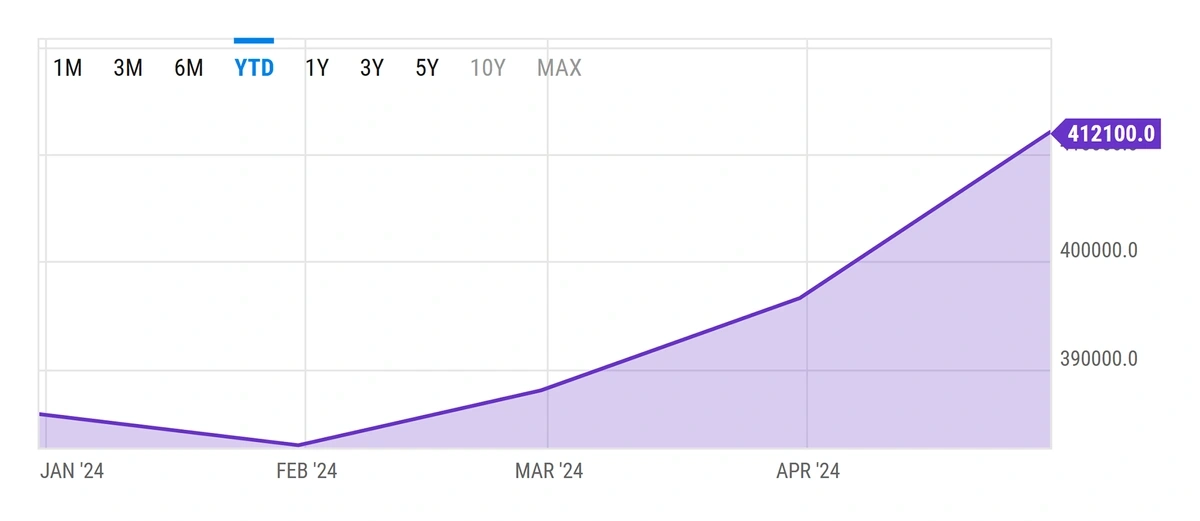
The demand for single-family homes continues to outpace supply, resulting in a substantial increase in home prices. Over the past four years, prices have surged by 43%, as detailed in a recent report. While this trend benefits existing homeowners through increased equity, first-time buyers face significant barriers to entry.
2. The Sun Belt’s Growing Appeal
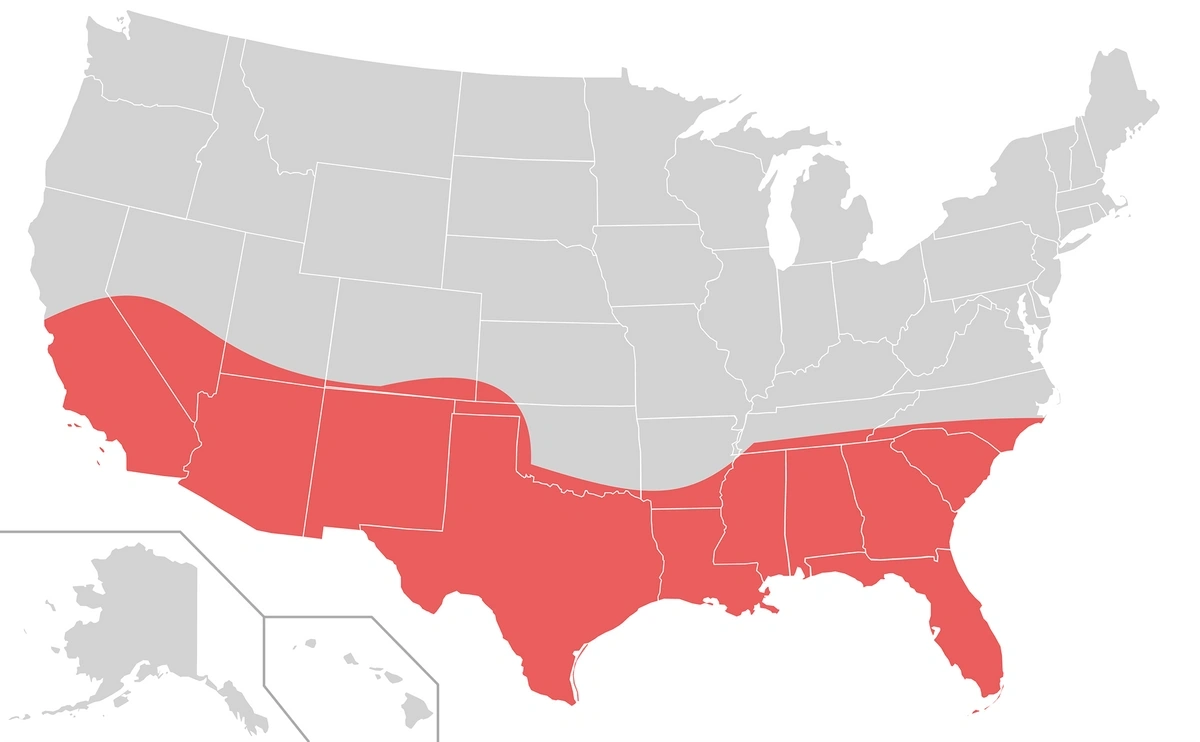
The Sun Belt, a region stretching from California to North Carolina, is witnessing a remarkable population influx. This trend is driven by factors such as lower taxes and affordable housing. As a result, cities like Dallas and Tampa are emerging as top destinations for real estate investment, according to recent rankings.
3. Digital Transformation in House Hunting
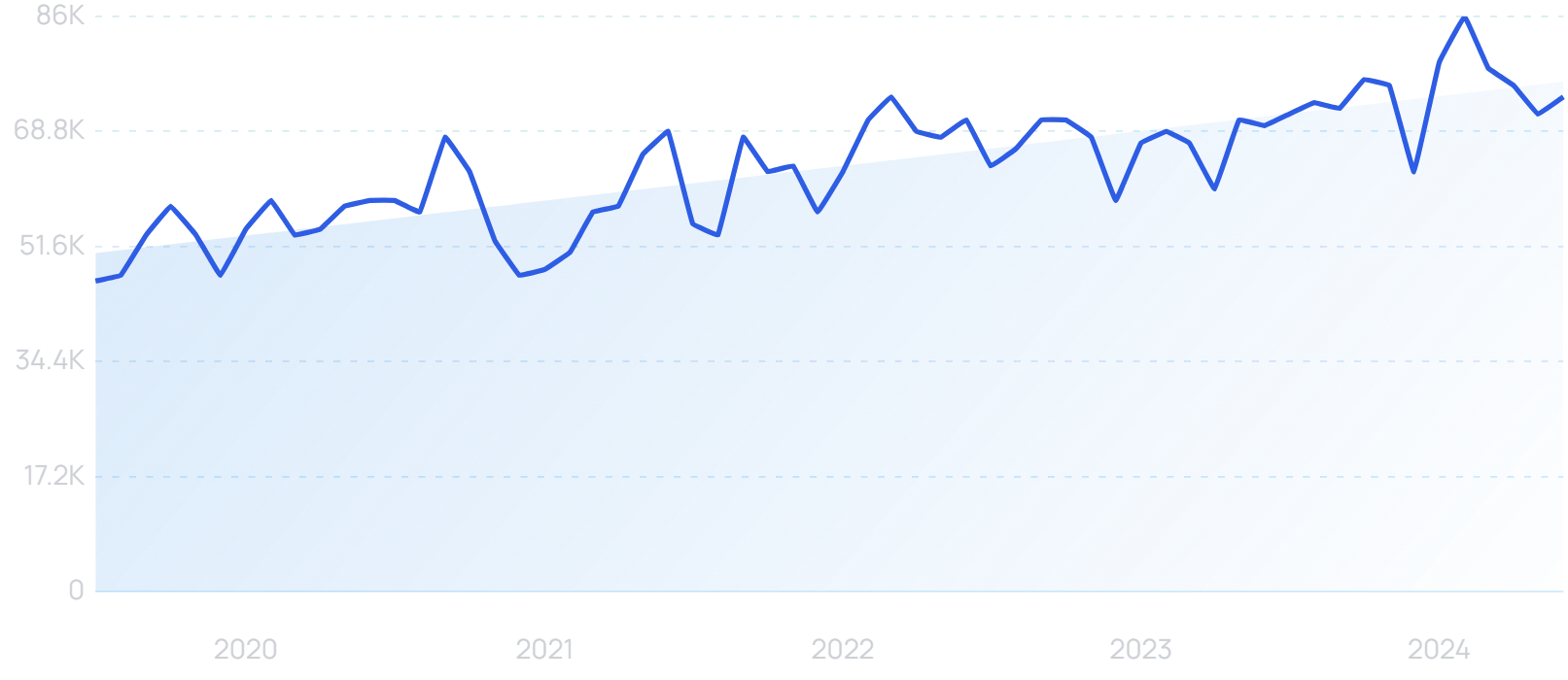
The real estate sector is embracing digital innovations, with technologies like 3D tours, drone videos, and virtual staging becoming integral to the home-buying process. The National Association of Realtors highlights that online tools are now the starting point for over 40% of property buyers.
4. Suburban Migration Continues
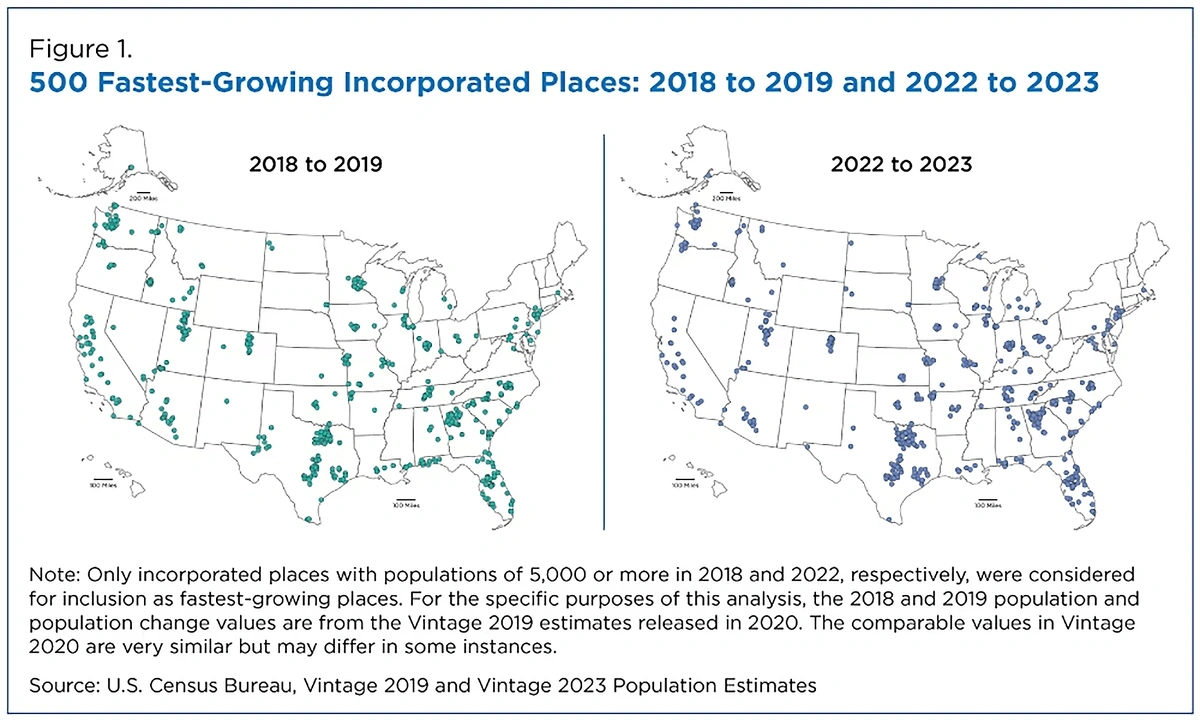
The shift from urban centers to suburbs persists, driven by the affordability and lifestyle choices offered by smaller cities. The US Census Bureau reports a continued migration trend, with suburbs offering a balance of urban amenities and suburban tranquility.
5. Single-Family Housing Shortages
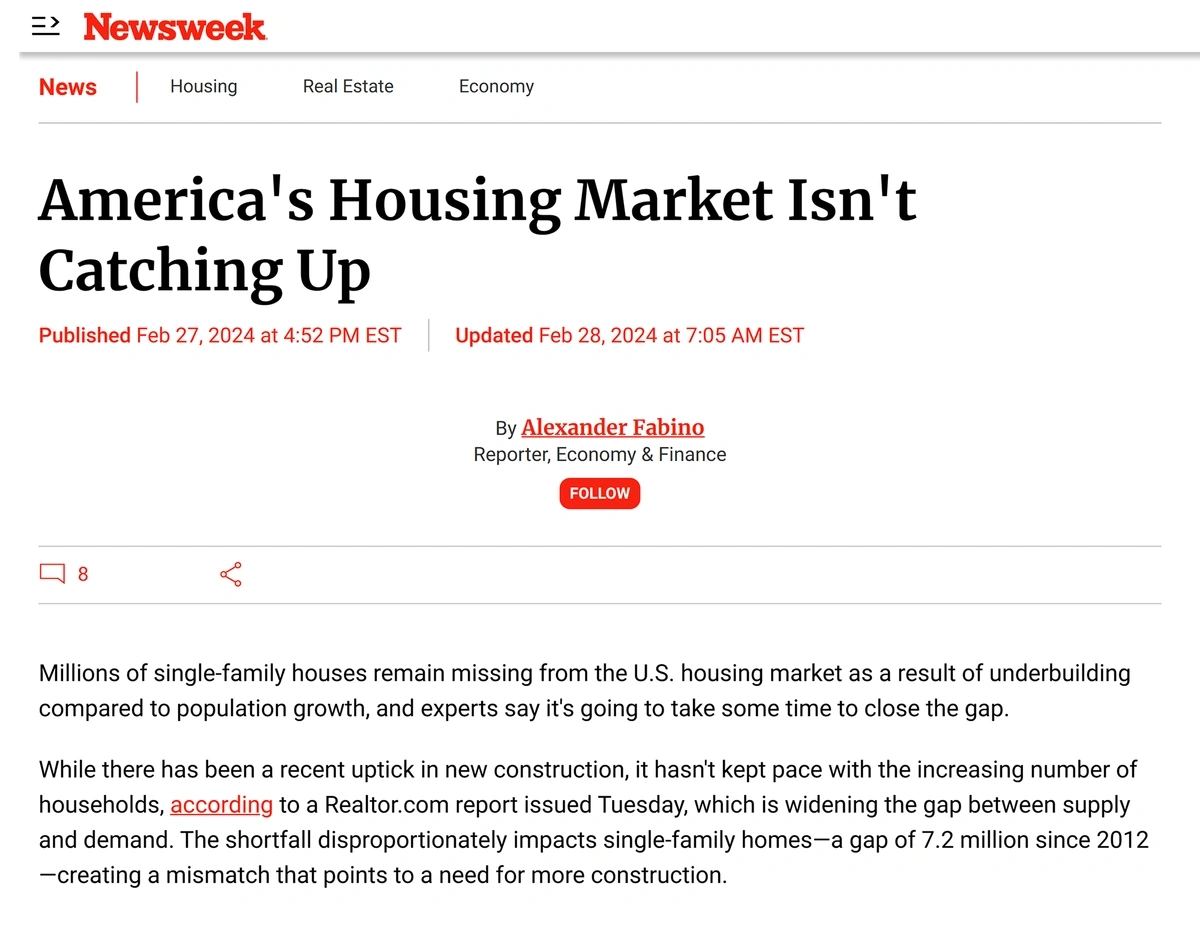
The demand for single-family homes is outstripping supply, creating a significant gap in the market. Since 2012, there has been a shortfall of over 7 million homes, as noted in a recent analysis. This shortage is exacerbated by institutional investors acquiring a substantial portion of available properties.
6. Rise of Multi-Generational Living
Economic pressures and cultural shifts are leading to an increase in multi-generational households. This trend is particularly prominent among immigrant communities and is driven by both necessity and choice.
7. Mortgage Rates Remain High
In response to inflation, mortgage rates have seen a steady increase. Although predictions suggest a slight decrease in the coming years, rates are expected to remain relatively high, impacting home affordability.
8. Decline in Urban Rental Markets
The rental market in major cities is experiencing a decline as more individuals opt for homeownership or alternative living arrangements. However, smaller cities are witnessing a surge in rental demand due to limited housing supply.
9. Evolving Commercial Real Estate
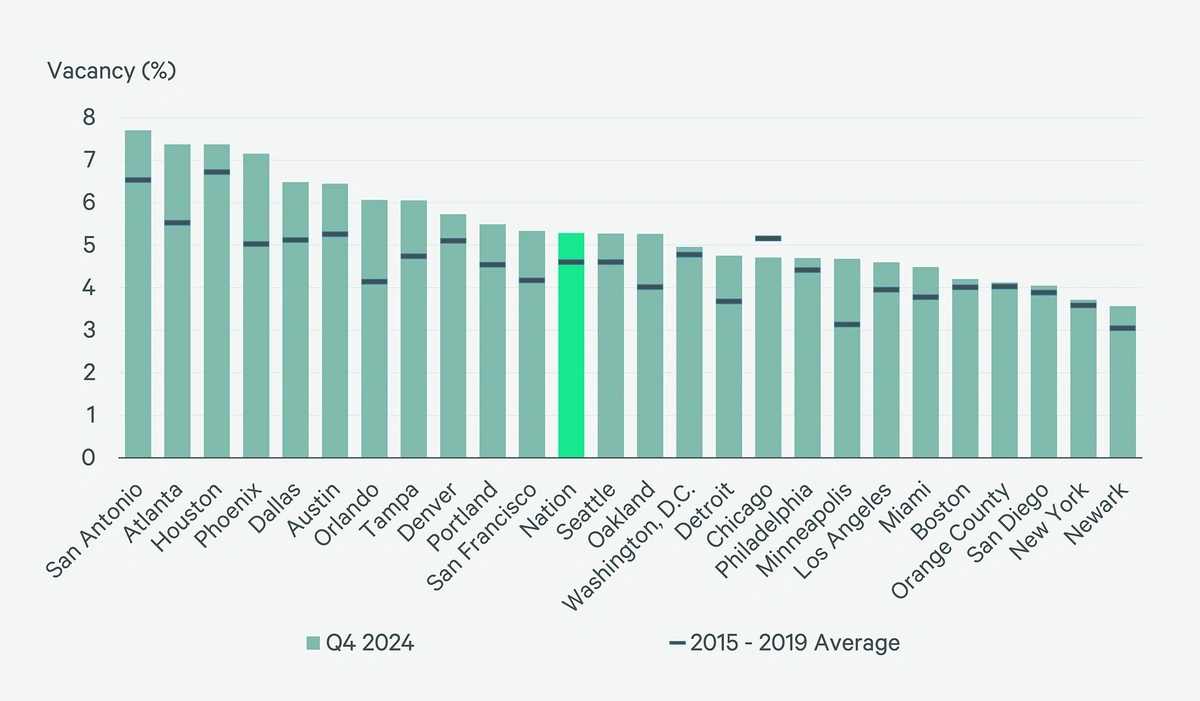
The commercial real estate landscape is in flux, with office vacancies reaching record highs. However, opportunities are emerging in retail and multi-family properties, driven by changing consumer preferences and work patterns.
Conclusion
The real estate industry in 2024 is marked by a dynamic interplay of trends, including rising home prices, suburban migration, and technological advancements. As these trends unfold, they present both challenges and opportunities for investors, homeowners, and prospective buyers alike.
More Articles
Getting licensed or staying ahead in your career can be a journey—but it doesn’t have to be overwhelming. Grab your favorite coffee or tea, take a moment to relax, and browse through our articles. Whether you’re just starting out or renewing your expertise, we’ve got tips, insights, and advice to keep you moving forward. Here’s to your success—one sip and one step at a time!
In a world where technology is rapidly reshaping every facet of our lives, the healthcare sector is no exception. The recent review published in Cureus delves into the transformative role of telemedicine and telehealth, particularly in public healthcare. This narrative review highlights the integration of telehealth and telemedicine, their historical milestones, and how the COVID-19 pandemic accelerated their adoption.
The construction industry is poised for dramatic shifts. Those who embrace these changes will lead the way in shaping a smarter, more sustainable built environment.
As the clock ticks toward a December 31 deadline, a major House subcommittee is considering 15 bills aimed at expanding access to telehealth services. This legislative push is crucial as pandemic-era flexibilities face expiration, potentially affecting countless patients who have come to rely on virtual care.
The AI in telemedicine market is set to experience a remarkable surge, growing from USD 19.4 billion in 2024 to an anticipated USD 156.7 billion by 2033. This represents a compound annual growth rate (CAGR) of 26.1%, driven by advancements in remote diagnostics, personalized treatments, and the integration of artificial intelligence across telemedicine platforms globally.
The Global X Infrastructure Development Ex-U.S. ETF, known as IPAV, emerges as a promising investment vehicle for those looking to capitalize on the burgeoning international infrastructure sector. Listed on August 28, 2024, on the CBOE BZX, it captures the growth potential of companies outside the United States benefiting from infrastructure advancements.