Exploring the Shifting Landscape of Real Estate in 2024
The real estate market is undergoing significant transformations as we step into 2024, with several trends reshaping the industry. This analysis, based on insights from the original article on Exploding Topics, delves into the top nine trends that are expected to impact the real estate sector this year.
1. Home Prices on the Rise
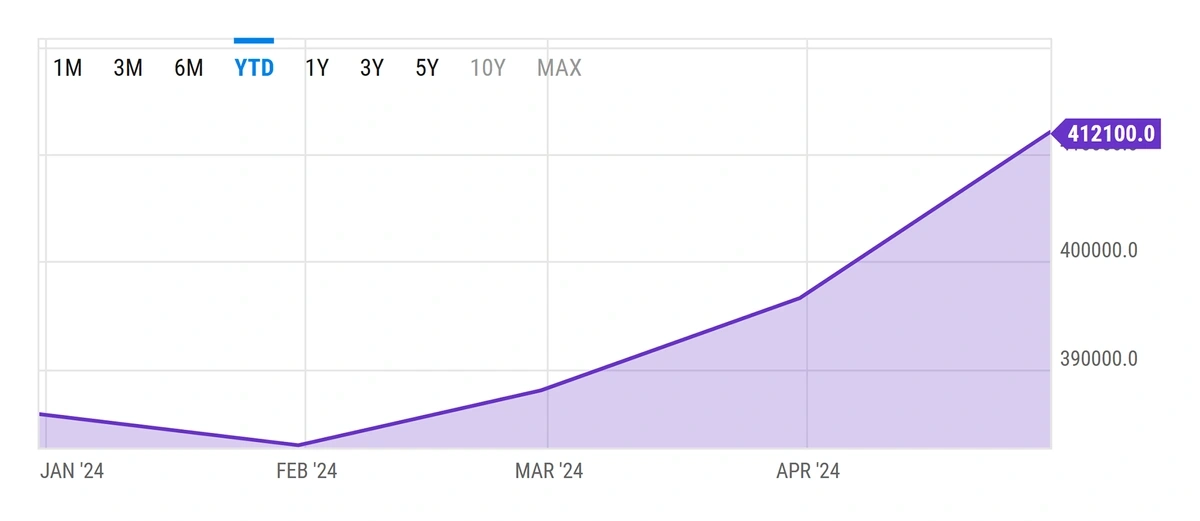
The demand for single-family homes continues to outpace supply, resulting in a substantial increase in home prices. Over the past four years, prices have surged by 43%, as detailed in a recent report. While this trend benefits existing homeowners through increased equity, first-time buyers face significant barriers to entry.
2. The Sun Belt’s Growing Appeal
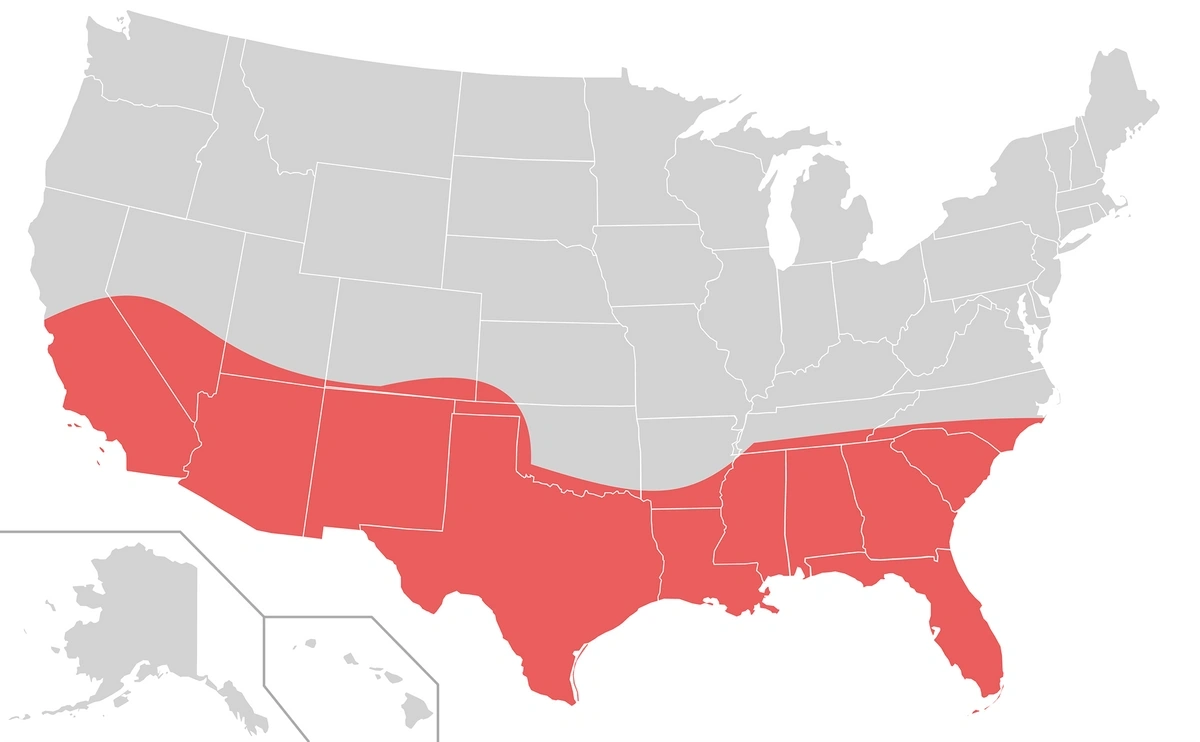
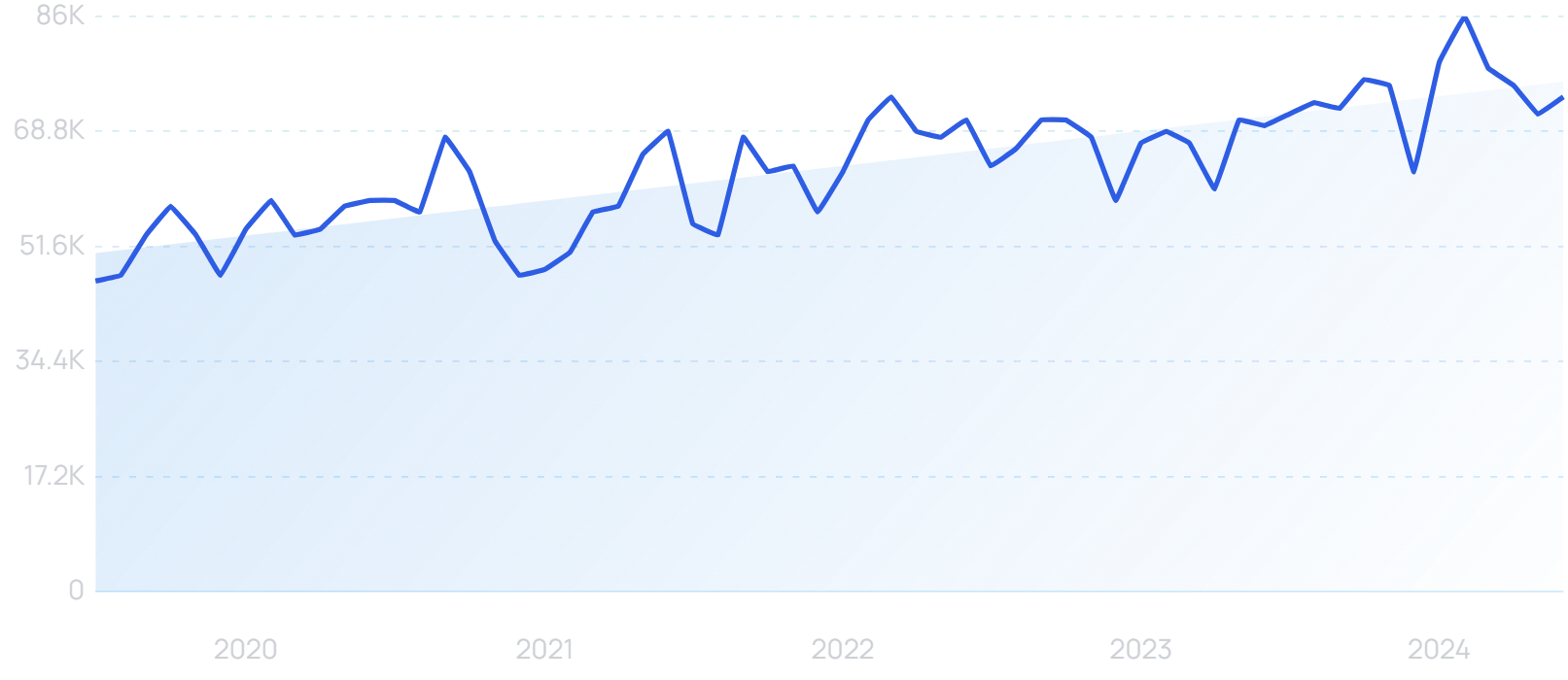
The Sun Belt, a region stretching from California to North Carolina, is witnessing a remarkable population influx. This trend is driven by factors such as lower taxes and affordable housing. As a result, cities like Dallas and Tampa are emerging as top destinations for real estate investment, according to recent rankings.
3. Digital Transformation in House Hunting
The real estate sector is embracing digital innovations, with technologies like 3D tours, drone videos, and virtual staging becoming integral to the home-buying process. The National Association of Realtors highlights that online tools are now the starting point for over 40% of property buyers.
4. Suburban Migration Continues
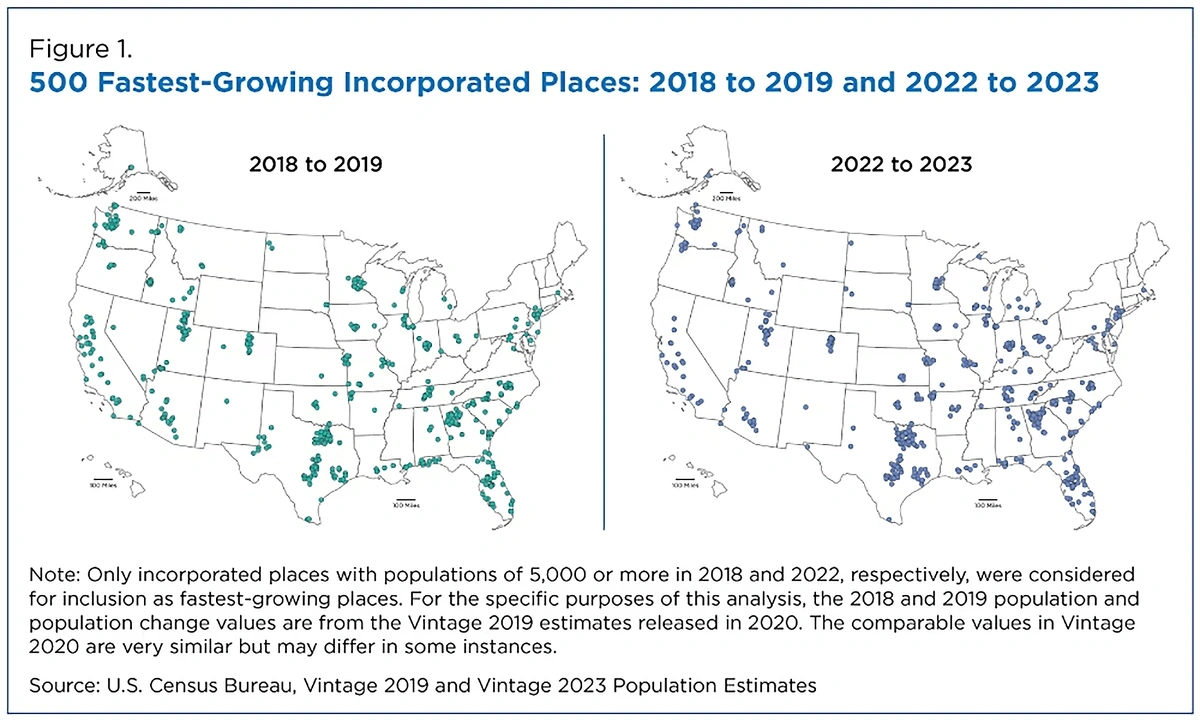
The shift from urban centers to suburbs persists, driven by the affordability and lifestyle choices offered by smaller cities. The US Census Bureau reports a continued migration trend, with suburbs offering a balance of urban amenities and suburban tranquility.
5. Single-Family Housing Shortages
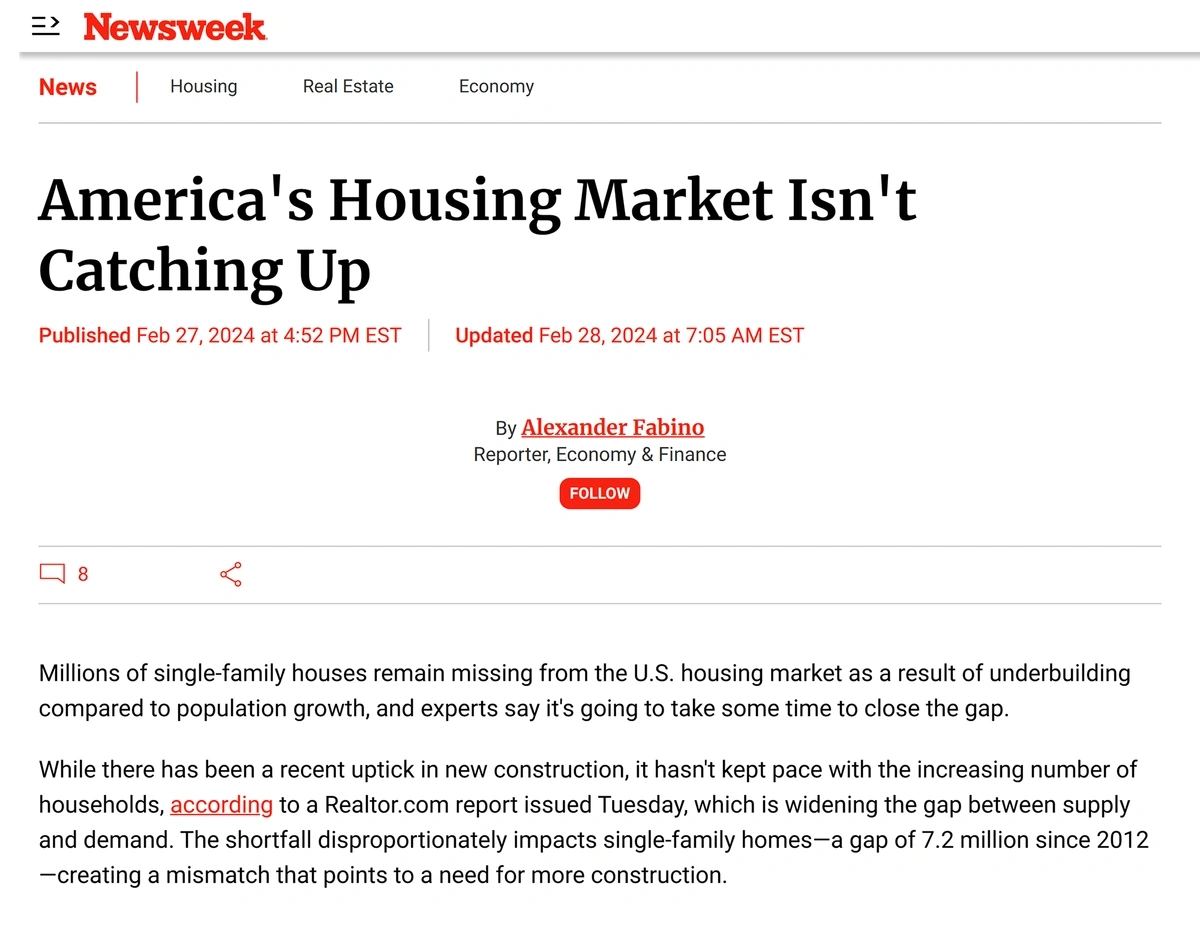
The demand for single-family homes is outstripping supply, creating a significant gap in the market. Since 2012, there has been a shortfall of over 7 million homes, as noted in a recent analysis. This shortage is exacerbated by institutional investors acquiring a substantial portion of available properties.
6. Rise of Multi-Generational Living
Economic pressures and cultural shifts are leading to an increase in multi-generational households. This trend is particularly prominent among immigrant communities and is driven by both necessity and choice.
7. Mortgage Rates Remain High
In response to inflation, mortgage rates have seen a steady increase. Although predictions suggest a slight decrease in the coming years, rates are expected to remain relatively high, impacting home affordability.
8. Decline in Urban Rental Markets
The rental market in major cities is experiencing a decline as more individuals opt for homeownership or alternative living arrangements. However, smaller cities are witnessing a surge in rental demand due to limited housing supply.
9. Evolving Commercial Real Estate
The commercial real estate landscape is in flux, with office vacancies reaching record highs. However, opportunities are emerging in retail and multi-family properties, driven by changing consumer preferences and work patterns.
Conclusion
The real estate industry in 2024 is marked by a dynamic interplay of trends, including rising home prices, suburban migration, and technological advancements. As these trends unfold, they present both challenges and opportunities for investors, homeowners, and prospective buyers alike.
More Articles
Getting licensed or staying ahead in your career can be a journey—but it doesn’t have to be overwhelming. Grab your favorite coffee or tea, take a moment to relax, and browse through our articles. Whether you’re just starting out or renewing your expertise, we’ve got tips, insights, and advice to keep you moving forward. Here’s to your success—one sip and one step at a time!
Artificial intelligence has shifted from a novelty to a defining force in real estate, transforming everything from listing creation to virtual staging while raising new legal and ethical risks. As AI adoption accelerates, experts warn that the agents who embrace automation and new tools now will gain a major competitive edge, while those who delay could fall behind in a rapidly evolving industry.
As AI and automation reshape the workforce, one form of career protection remains as powerful as ever: earning a state license. From real estate to trades to finance, licensed professionals stay in high demand because their work requires proven competence, accountability and human judgment—qualities technology can enhance but never replace. With trade enrollment surging, investor interest growing and licensing on the rise across the country, credentials have become a reliable path to stability, mobility and long-term earning potential.
A new wave of AI platforms is redefining how real estate agents identify buyer intent, spark conversations, and nurture relationships. From conversational home search engines to predictive opportunity alerts and relationship‑intelligence systems, these tools are helping agents connect sooner and smarter—reshaping daily workflows as the 2026 market approaches.
Texas money is riding hard into San Francisco, snapping up distressed downtown buildings at prices not seen in decades. From Union Square to California Street, major players like Lone Star Funds are betting big on the city’s rebound, signaling that the market may have finally hit bottom and that a new wave of opportunity is taking shape for savvy real estate professionals nationwide.
The 2025 holiday season is expected to break the $1 trillion sales mark, but economists say the milestone masks deeper consumer caution, income‑driven spending gaps, and weakening unit sales. Urban Land Magazine’s latest analysis shows how these mixed signals are shaping a selective, uneven landscape for U.S. commercial real estate heading into 2026—where strong locations thrive, weaker assets struggle, and affluent shoppers continue to dictate market performance.
As 2025 ends, the housing market is inching toward balance with slower price growth, rising inventory, and steadier mortgage rates. Experts predict modest 1% to 2% home‑price growth in 2026—not a crash, but a calmer, more predictable market shaped by regional differences. With the Fed easing rates and inventory climbing in key cities, 2026 may become the most buyer‑friendly year in recent memory, especially for those prepared to act when the right home appears.