Exploring the Shifting Landscape of Real Estate in 2024
The real estate market is undergoing significant transformations as we step into 2024, with several trends reshaping the industry. This analysis, based on insights from the original article on Exploding Topics, delves into the top nine trends that are expected to impact the real estate sector this year.
1. Home Prices on the Rise
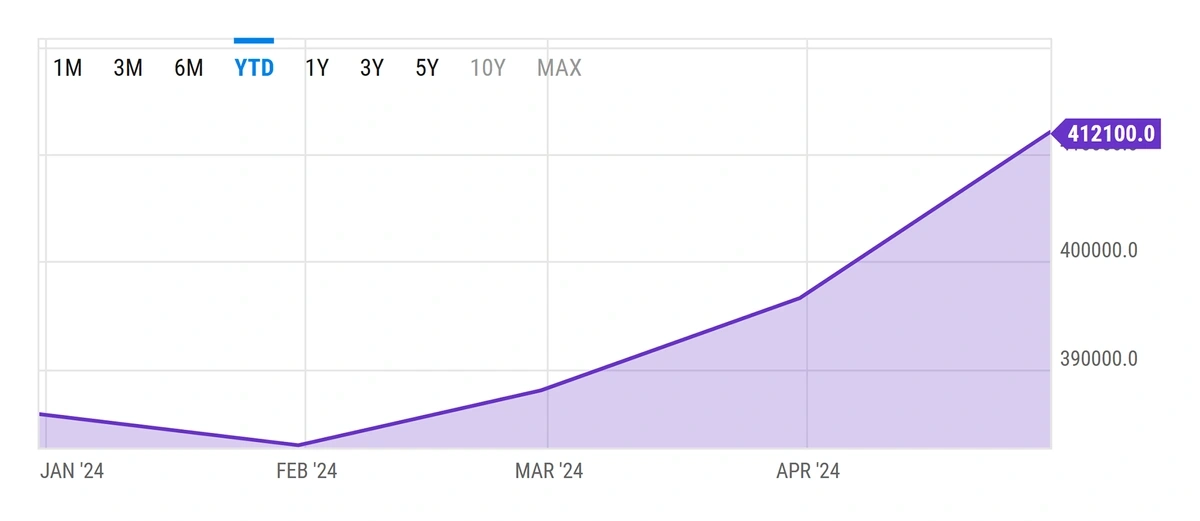
The demand for single-family homes continues to outpace supply, resulting in a substantial increase in home prices. Over the past four years, prices have surged by 43%, as detailed in a recent report. While this trend benefits existing homeowners through increased equity, first-time buyers face significant barriers to entry.
2. The Sun Belt’s Growing Appeal
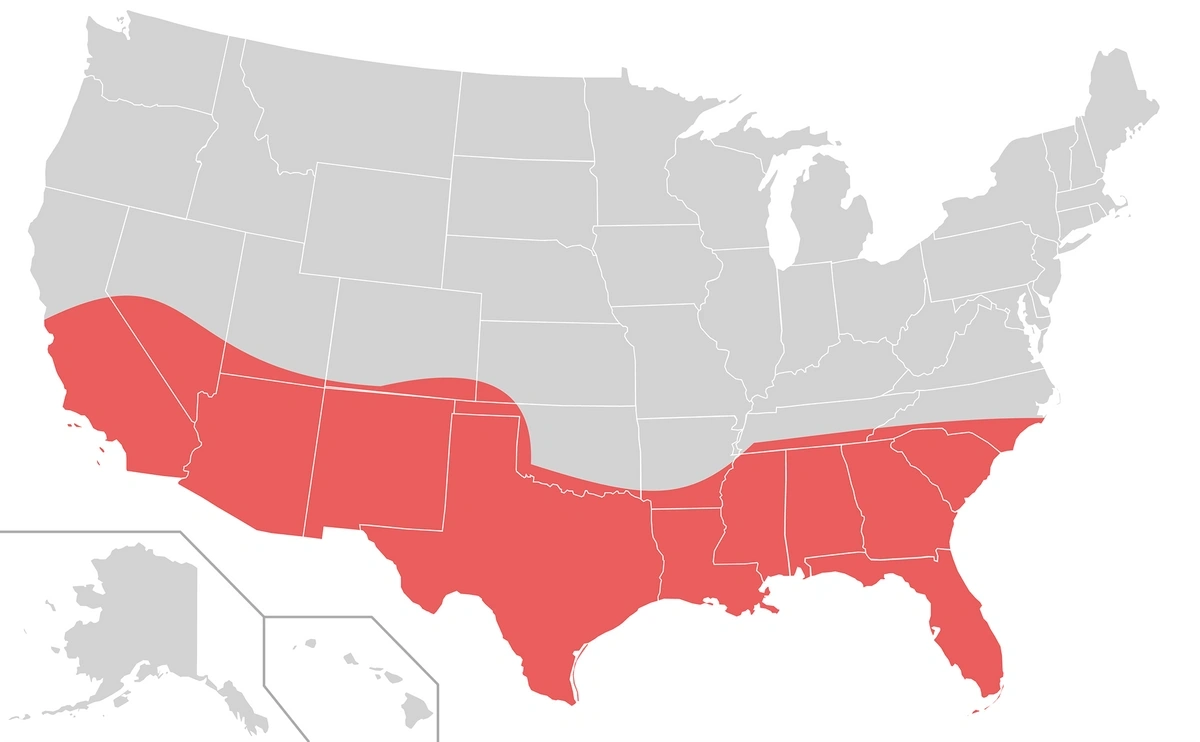
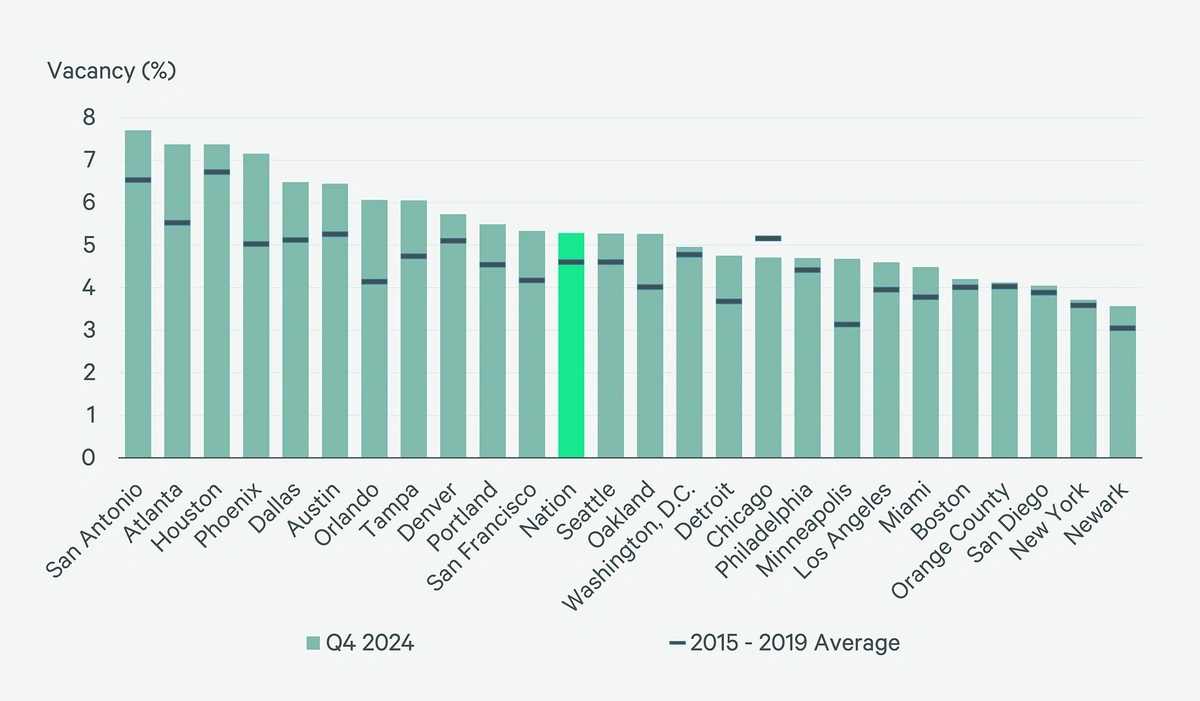
The Sun Belt, a region stretching from California to North Carolina, is witnessing a remarkable population influx. This trend is driven by factors such as lower taxes and affordable housing. As a result, cities like Dallas and Tampa are emerging as top destinations for real estate investment, according to recent rankings.
3. Digital Transformation in House Hunting
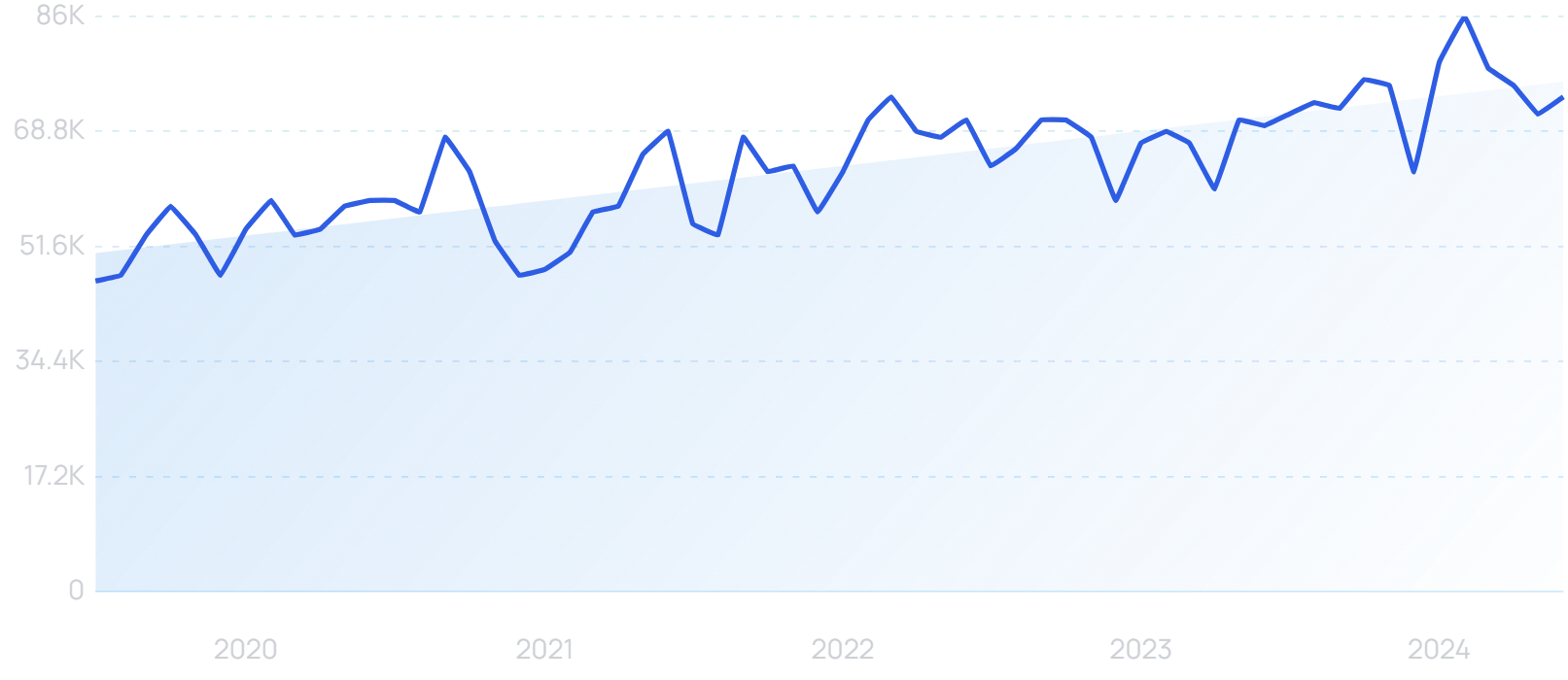
The real estate sector is embracing digital innovations, with technologies like 3D tours, drone videos, and virtual staging becoming integral to the home-buying process. The National Association of Realtors highlights that online tools are now the starting point for over 40% of property buyers.
4. Suburban Migration Continues
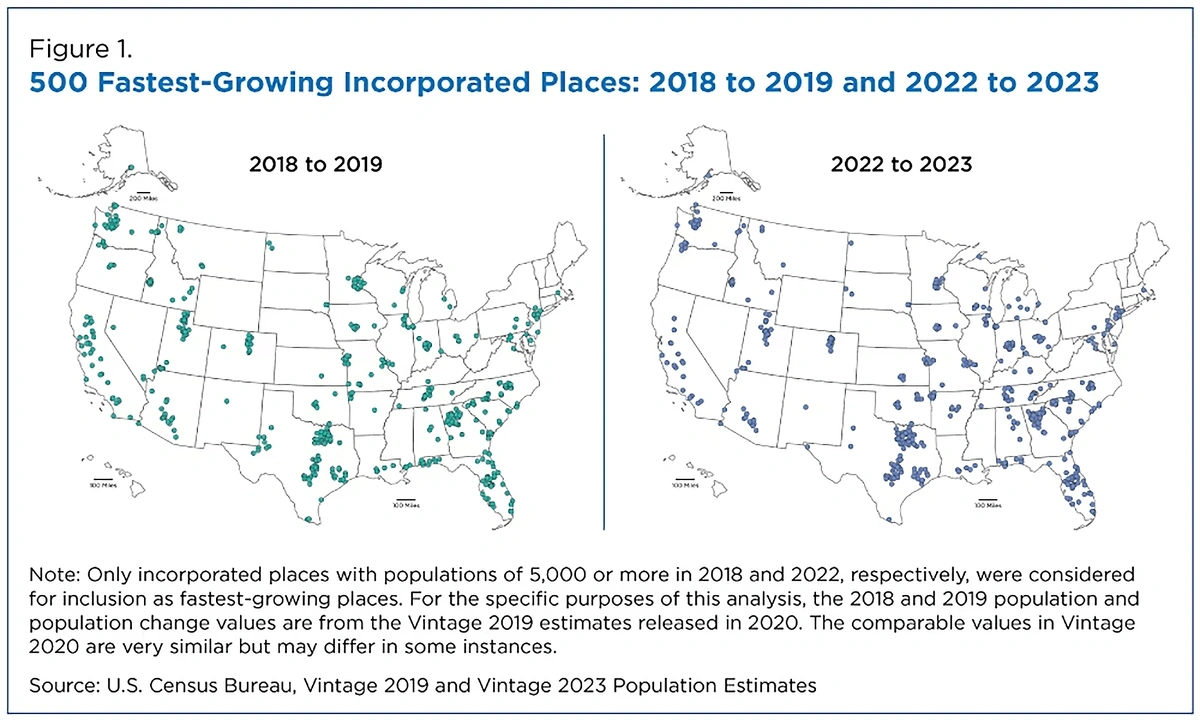
The shift from urban centers to suburbs persists, driven by the affordability and lifestyle choices offered by smaller cities. The US Census Bureau reports a continued migration trend, with suburbs offering a balance of urban amenities and suburban tranquility.
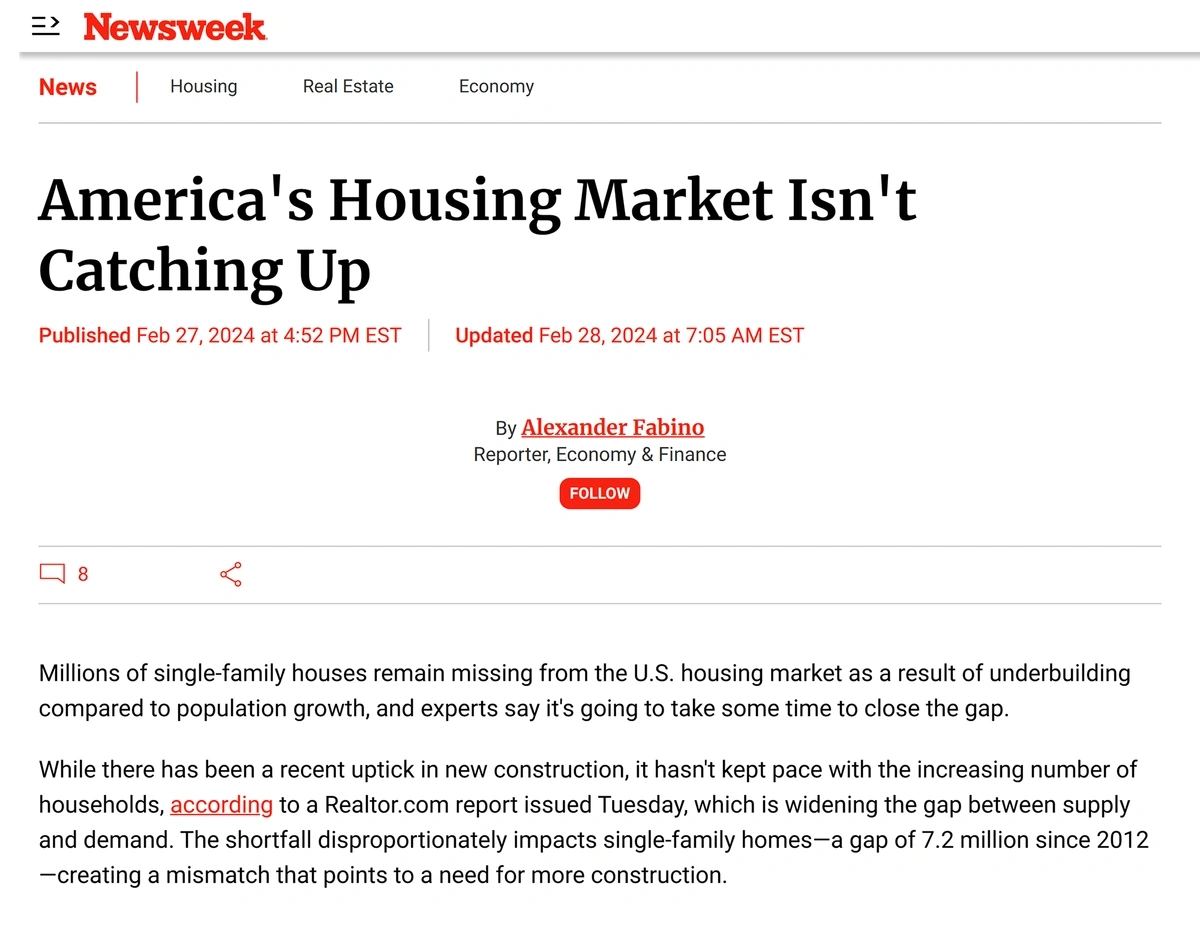
5. Single-Family Housing Shortages
The demand for single-family homes is outstripping supply, creating a significant gap in the market. Since 2012, there has been a shortfall of over 7 million homes, as noted in a recent analysis. This shortage is exacerbated by institutional investors acquiring a substantial portion of available properties.
6. Rise of Multi-Generational Living
Economic pressures and cultural shifts are leading to an increase in multi-generational households. This trend is particularly prominent among immigrant communities and is driven by both necessity and choice.
7. Mortgage Rates Remain High
In response to inflation, mortgage rates have seen a steady increase. Although predictions suggest a slight decrease in the coming years, rates are expected to remain relatively high, impacting home affordability.
8. Decline in Urban Rental Markets
The rental market in major cities is experiencing a decline as more individuals opt for homeownership or alternative living arrangements. However, smaller cities are witnessing a surge in rental demand due to limited housing supply.
9. Evolving Commercial Real Estate
The commercial real estate landscape is in flux, with office vacancies reaching record highs. However, opportunities are emerging in retail and multi-family properties, driven by changing consumer preferences and work patterns.
Conclusion
The real estate industry in 2024 is marked by a dynamic interplay of trends, including rising home prices, suburban migration, and technological advancements. As these trends unfold, they present both challenges and opportunities for investors, homeowners, and prospective buyers alike.
More Articles
Getting licensed or staying ahead in your career can be a journey—but it doesn’t have to be overwhelming. Grab your favorite coffee or tea, take a moment to relax, and browse through our articles. Whether you’re just starting out or renewing your expertise, we’ve got tips, insights, and advice to keep you moving forward. Here’s to your success—one sip and one step at a time!
The average life insurance premium in 2026 sits at about 26 dollars per month for a healthy 40-year-old seeking a 20-year, 500,000 dollar term policy, according to recent industry data. Rates continue to be influenced by factors like age, health, and risk class, while certain personal details—such as marital status or number of beneficiaries—have no impact on pricing. With term, whole life, and no-exam options showing wide cost differences, professionals in real estate, insurance, mortgage, and finance can benefit from understanding how underwriting works. This knowledge not only helps with personal financial planning but also supports advising clients effectively in these interconnected industries.
AI is becoming a powerful partner for real estate agents, helping automate repetitive tasks like lead responses, follow ups, marketing content, and paperwork so you can focus on clients and closing deals. From 24/7 chat assistants to AI enhanced visuals and predictive analytics, agents using these tools are gaining a competitive edge without needing technical skills.
Florida’s housing market continues to outpace national growth, with several cities experiencing sharp jumps in home values driven by high demand and limited inventory. New data from Zillow highlights where price acceleration is strongest—from luxury enclaves like Golden Beach and Lake Buena Vista to more affordable markets such as Old Town. For real estate professionals, these insights spotlight emerging opportunities, shifting buyer behavior, and areas of rising investment interest across the state.
Baltimore is moving to close key loopholes in its rental licensing system after thousands of unlicensed and unsafe units came to light. A new city proposal would strengthen enforcement, increase audits, and protect tenants from negligent landlords. With nearly half of rentals still unlicensed, the reform highlights why compliance and ethical property management remain essential across the real estate industry.
Florida lawmakers have taken a major step toward helping homeowners understand rising insurance costs. The Florida House voted 114-0 to approve HB 767, a bill that would require insurers to publicly share more of the data behind their rate increases. While the bill doesn’t limit premiums, it aims to give consumers, real estate professionals, and analysts clearer insight into how insurance companies set their prices as it now heads to the Senate for consideration.
A rising public‑radio journalist walked away from the career she worked years to build after a spontaneous trip to Spain made her question what she truly wanted from life. Trading stability for a teaching visa and a slower pace in Seville, she faced financial uncertainty, culture shocks, and doubts about her future—yet also gained safety, freedom, and a renewed sense of self. Her journey is a reminder that major career shifts, whether abroad or at home, can open the door to unexpected possibilities.