Exploring the Shifting Landscape of Real Estate in 2024
The real estate market is undergoing significant transformations as we move into 2024. According to a comprehensive report by Exploding Topics, nine key trends are shaping the industry, driven largely by a notable shift from urban centers to suburban areas.
Rising Home Prices
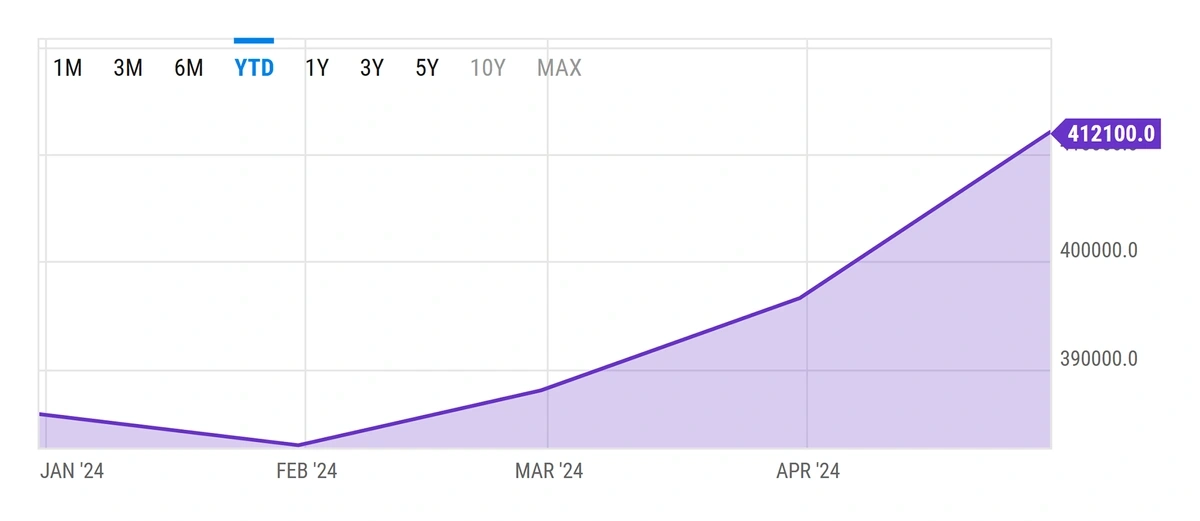
The demand for single-family homes continues to surge, leading to a 43% increase in prices over the past four years. This trend is beneficial for existing homeowners, who have seen their equity rise by 9.6% last year, adding $1.5 trillion collectively. However, first-time buyers find themselves increasingly locked out of the market due to these high prices. Despite a slight cooling, with median prices declining in the first quarter of 2024, experts forecast a continued rise over the medium term.
The Sun Belt’s Growing Allure
The Sun Belt, a region stretching from California to North Carolina, is witnessing a population boom. As Americans relocate from big cities, this area has become a preferred destination due to its lower taxes and affordable housing. According to Clarion Partners, the Sun Belt now holds about 50% of the national population, expected to rise to 55% by 2040.
Digital-First House Hunting
The pandemic accelerated the digitization of real estate processes. Virtual tours, 3D tours, and drone videos have become the norm, with online searches for “virtual staging” surpassing their pandemic peak. The National Association of Realtors highlights that 41% of buyers begin their property search online.
Suburban Migration
Americans continue to flock to the suburbs, driven by affordability and the freedom of remote work. The US Census Bureau reports a steady shift from urban centers to smaller cities and suburbs. This trend has spurred interest in “middle neighborhoods,” areas offering a blend of suburban and urban conveniences.
Single-Family Housing Shortages
The demand for single-family homes outpaces supply, with a gap of over 7 million homes since 2012. As millennials enter the homeownership phase, this shortage is exacerbated, although recent increases in housing completions offer hope for stabilization.
Multi-Generational Living
Rising costs and limited housing options have led to an increase in multi-generational living. The Pew Research Center notes that the number of multi-generational households has quadrupled since 1971.
Mortgage Rates Remain High
Despite a brief period of record-low mortgage rates in 2021, rates have since climbed to around 7% in 2024. This rise has made home buying more expensive, with the Fannie Mae Housing Forecast predicting a slight decline in rates over the coming years.
Rental Market Shifts
The rental market in major cities is experiencing a decline, with vacancies increasing. However, demand for rentals is rising in smaller cities, creating opportunities for real estate investors in these secondary markets.
Commercial Real Estate in Transition
Office vacancies have reached record highs, influenced by changing work patterns. Yet, retail and multi-family properties show promise, with effective rent for shopping centers at its highest since early 2020.
Conclusion
The real estate landscape in 2024 is marked by a continued shift towards suburban living, rising home prices, and digital innovation. While challenges persist, such as housing shortages and high mortgage rates, opportunities abound for those navigating this evolving market.
More Articles
Getting licensed or staying ahead in your career can be a journey—but it doesn’t have to be overwhelming. Grab your favorite coffee or tea, take a moment to relax, and browse through our articles. Whether you’re just starting out or renewing your expertise, we’ve got tips, insights, and advice to keep you moving forward. Here’s to your success—one sip and one step at a time!
In the bustling world of real estate, where client management and property listings are the lifeline of business, a reliable CRM (Customer Relationship Management) system becomes an indispensable tool. As competition intensifies, with agents vying to outshine each other, choosing the right CRM can be the key to staying ahead.
In the ever-evolving world of real estate, the recent NAR multimillion dollar settlement has sent ripples through the industry, leaving brokers and agents scrambling to adapt. As the dust settles, questions loom over how these changes will impact both homebuyers and sellers.
The real estate industry is on the brink of a technological revolution, thanks to the versatile capabilities of ChatGPT, a chatbot developed by OpenAI. Since its online debut on November 30, 2022, ChatGPT has been transforming how real estate agents and brokers conduct business, offering innovative solutions to streamline tasks and boost productivity.
Engaging a knowledgeable real estate agent in Jamaica can lead to a successful and stress-free transaction. Their local expertise, negotiation skills, and access to exclusive listings position clients to make informed decisions and achieve their real estate goals.
The proposed legislative changes, set to take effect on January 1, 2025, aim to refine the definition of taxable 'structures.' The new definition explicitly includes only the building parts of photovoltaic (PV) farms, energy storage facilities, and standalone industrial facilities as liable for the 2% RET.

 Rising Home Prices
The demand for single-family homes continues to surge, leading to a 43% increase in prices over the past four years. This trend is beneficial for existing homeowners, who have seen their equity rise by 9.6% last year, adding $1.5 trillion collectively. However, first-time buyers find themselves increasingly locked out of the market due to these high prices. Despite a slight cooling, with median prices declining in the first quarter of 2024, experts forecast a continued rise over the medium term.
The Sun Belt’s Growing Allure
The Sun Belt, a region stretching from California to North Carolina, is witnessing a population boom. As Americans relocate from big cities, this area has become a preferred destination due to its lower taxes and affordable housing. According to
Rising Home Prices
The demand for single-family homes continues to surge, leading to a 43% increase in prices over the past four years. This trend is beneficial for existing homeowners, who have seen their equity rise by 9.6% last year, adding $1.5 trillion collectively. However, first-time buyers find themselves increasingly locked out of the market due to these high prices. Despite a slight cooling, with median prices declining in the first quarter of 2024, experts forecast a continued rise over the medium term.
The Sun Belt’s Growing Allure
The Sun Belt, a region stretching from California to North Carolina, is witnessing a population boom. As Americans relocate from big cities, this area has become a preferred destination due to its lower taxes and affordable housing. According to 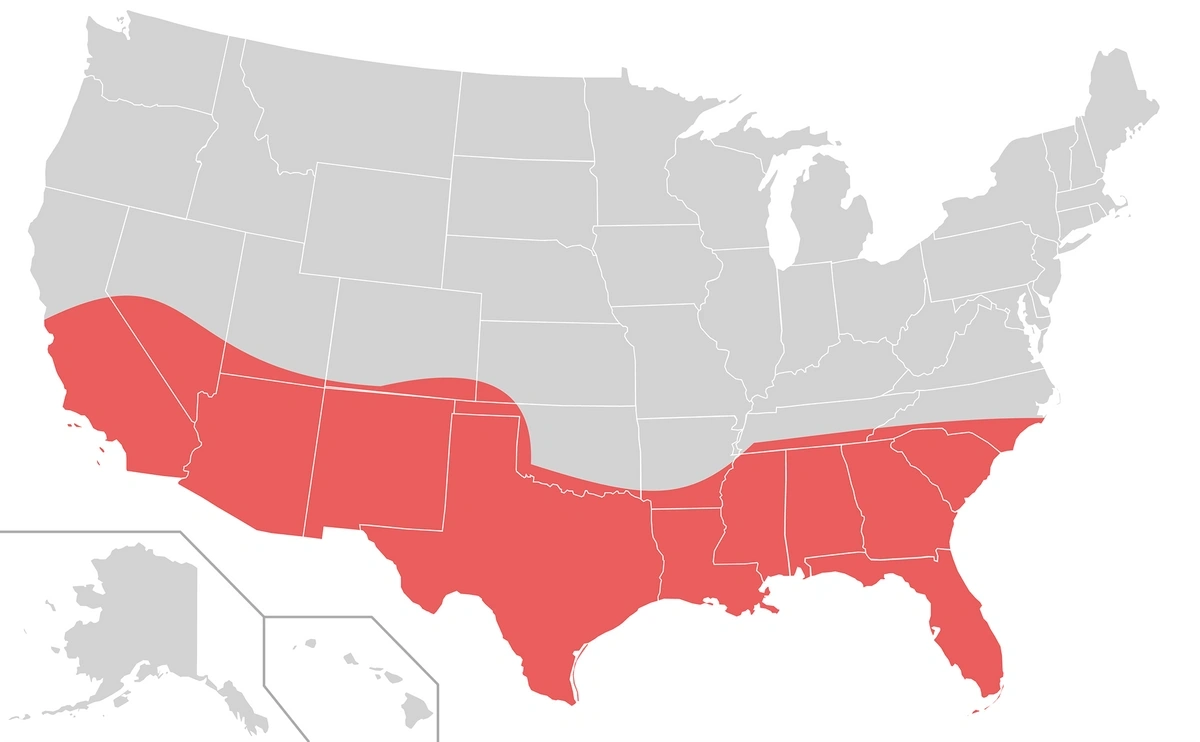 Digital-First House Hunting
The pandemic accelerated the digitization of real estate processes. Virtual tours, 3D tours, and drone videos have become the norm, with online searches for “virtual staging” surpassing their pandemic peak. The
Digital-First House Hunting
The pandemic accelerated the digitization of real estate processes. Virtual tours, 3D tours, and drone videos have become the norm, with online searches for “virtual staging” surpassing their pandemic peak. The 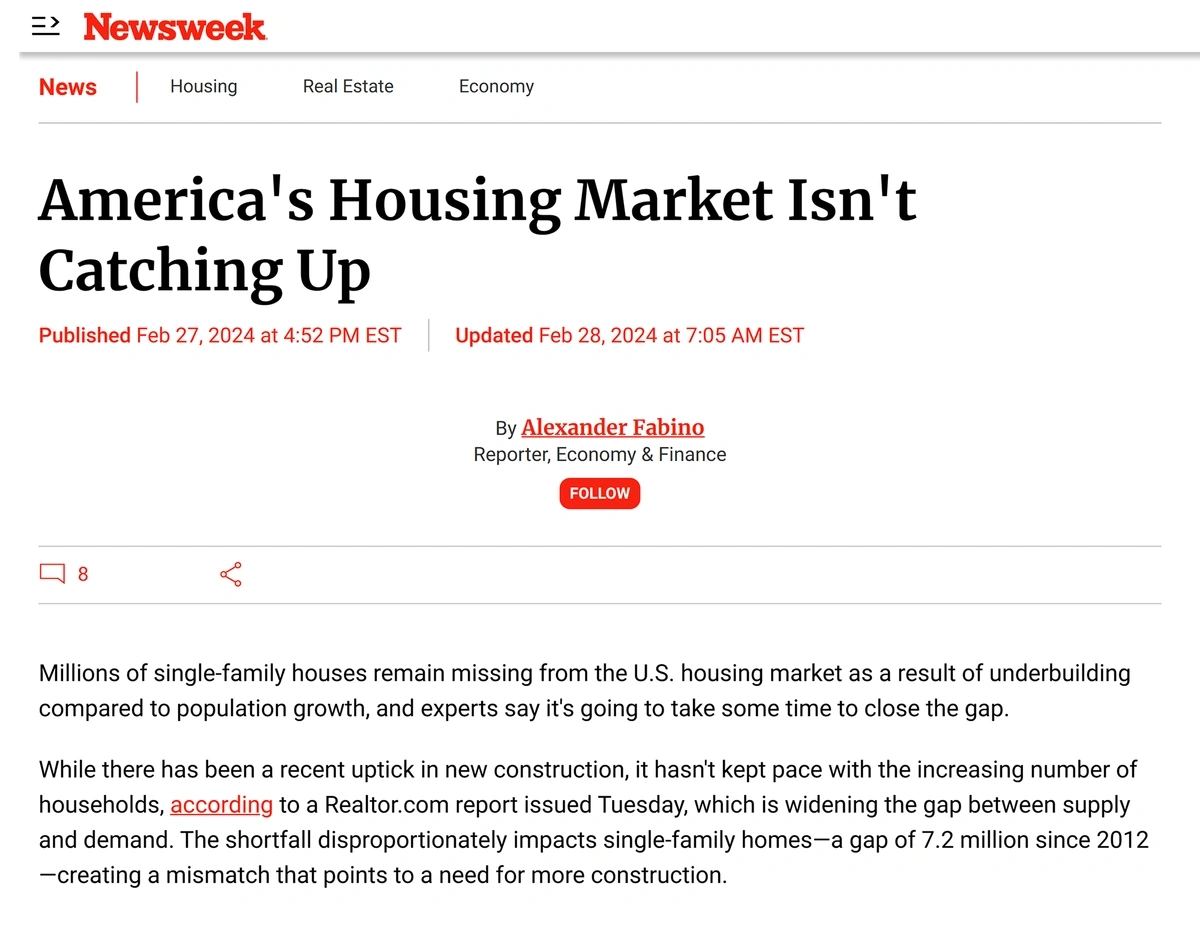 Multi-Generational Living
Rising costs and limited housing options have led to an increase in multi-generational living. The
Multi-Generational Living
Rising costs and limited housing options have led to an increase in multi-generational living. The 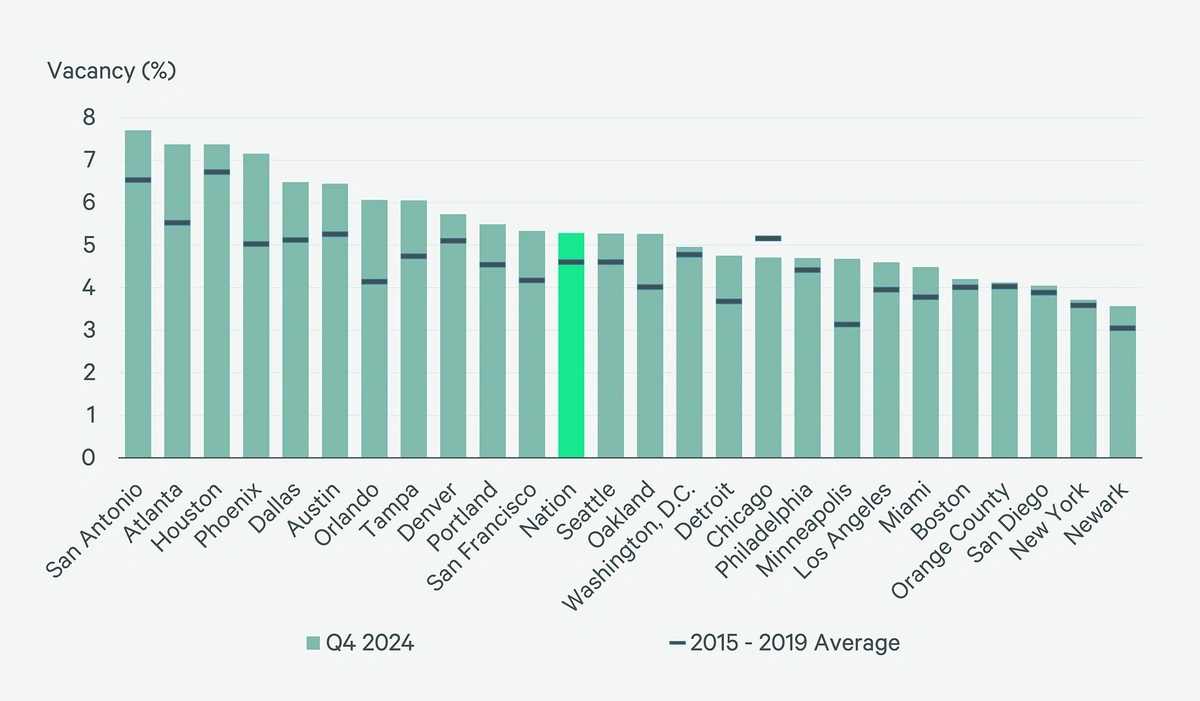 Conclusion
The real estate landscape in 2024 is marked by a continued shift towards suburban living, rising home prices, and digital innovation. While challenges persist, such as housing shortages and high mortgage rates, opportunities abound for those navigating this evolving market.
Conclusion
The real estate landscape in 2024 is marked by a continued shift towards suburban living, rising home prices, and digital innovation. While challenges persist, such as housing shortages and high mortgage rates, opportunities abound for those navigating this evolving market.