Exploring the Shifting Landscape of Real Estate in 2024
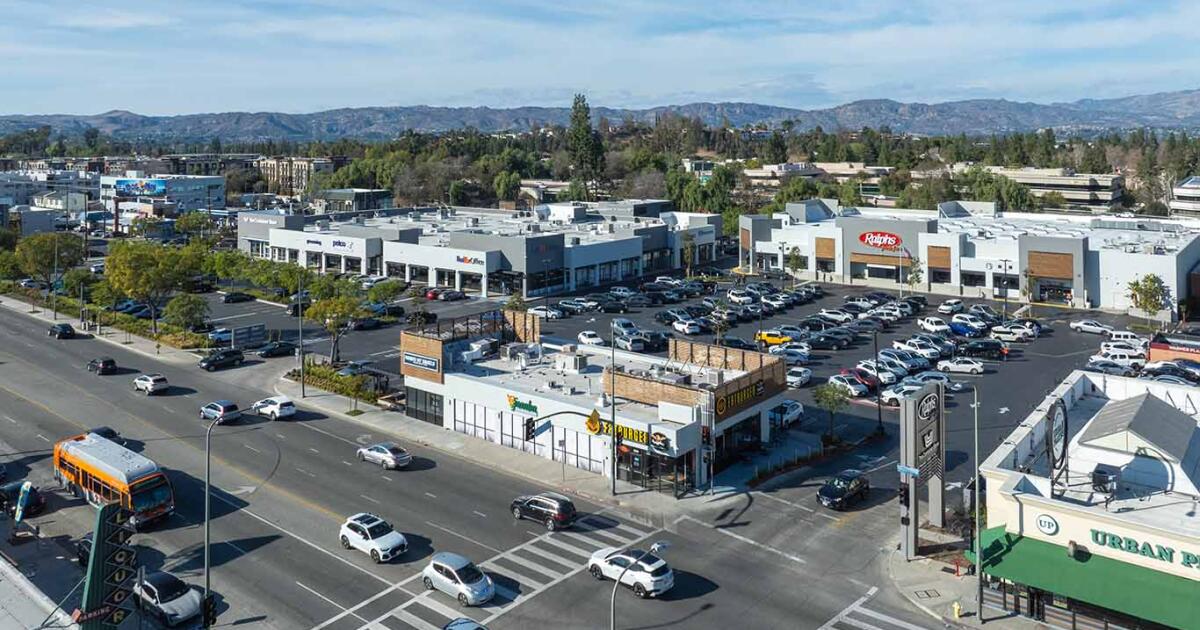
The real estate market is undergoing significant transformations as we move into 2024. According to a comprehensive report by Exploding Topics, nine key trends are shaping the industry, driven largely by a notable shift from urban centers to suburban areas.
Rising Home Prices
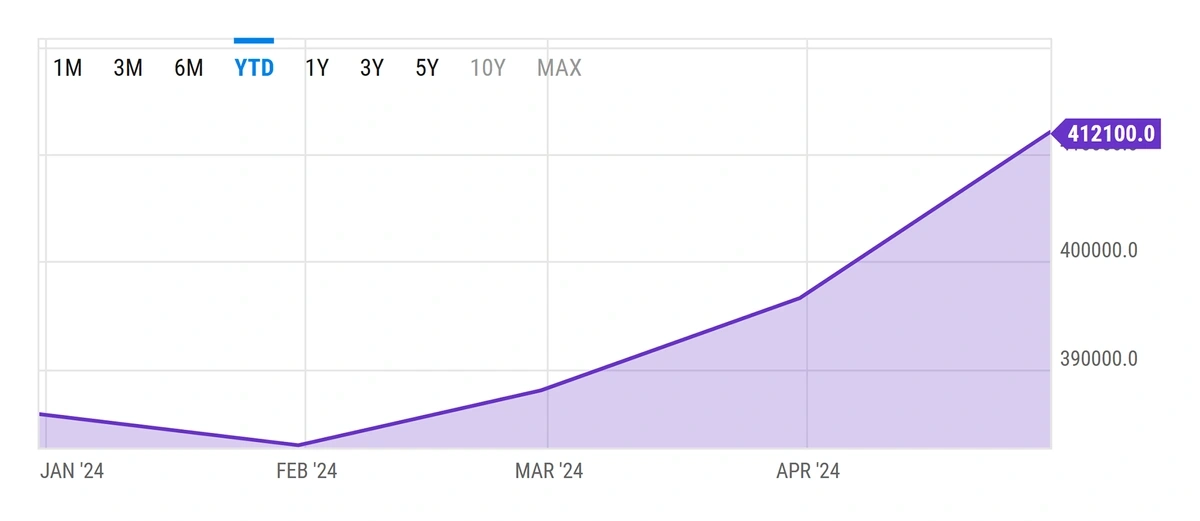
The demand for single-family homes continues to surge, leading to a 43% increase in prices over the past four years. This trend is beneficial for existing homeowners, who have seen their equity rise by 9.6% last year, adding $1.5 trillion collectively. However, first-time buyers find themselves increasingly locked out of the market due to these high prices. Despite a slight cooling, with median prices declining in the first quarter of 2024, experts forecast a continued rise over the medium term.
The Sun Belt’s Growing Allure
The Sun Belt, a region stretching from California to North Carolina, is witnessing a population boom. As Americans relocate from big cities, this area has become a preferred destination due to its lower taxes and affordable housing. According to Clarion Partners, the Sun Belt now holds about 50% of the national population, expected to rise to 55% by 2040.
Digital-First House Hunting
The pandemic accelerated the digitization of real estate processes. Virtual tours, 3D tours, and drone videos have become the norm, with online searches for “virtual staging” surpassing their pandemic peak. The National Association of Realtors highlights that 41% of buyers begin their property search online.
Suburban Migration
Americans continue to flock to the suburbs, driven by affordability and the freedom of remote work. The US Census Bureau reports a steady shift from urban centers to smaller cities and suburbs. This trend has spurred interest in “middle neighborhoods,” areas offering a blend of suburban and urban conveniences.
Single-Family Housing Shortages
The demand for single-family homes outpaces supply, with a gap of over 7 million homes since 2012. As millennials enter the homeownership phase, this shortage is exacerbated, although recent increases in housing completions offer hope for stabilization.
Multi-Generational Living
Rising costs and limited housing options have led to an increase in multi-generational living. The Pew Research Center notes that the number of multi-generational households has quadrupled since 1971.
Mortgage Rates Remain High
Despite a brief period of record-low mortgage rates in 2021, rates have since climbed to around 7% in 2024. This rise has made home buying more expensive, with the Fannie Mae Housing Forecast predicting a slight decline in rates over the coming years.
Rental Market Shifts
The rental market in major cities is experiencing a decline, with vacancies increasing. However, demand for rentals is rising in smaller cities, creating opportunities for real estate investors in these secondary markets.
Commercial Real Estate in Transition
Office vacancies have reached record highs, influenced by changing work patterns. Yet, retail and multi-family properties show promise, with effective rent for shopping centers at its highest since early 2020.
Conclusion
The real estate landscape in 2024 is marked by a continued shift towards suburban living, rising home prices, and digital innovation. While challenges persist, such as housing shortages and high mortgage rates, opportunities abound for those navigating this evolving market.
More Articles
Getting licensed or staying ahead in your career can be a journey—but it doesn’t have to be overwhelming. Grab your favorite coffee or tea, take a moment to relax, and browse through our articles. Whether you’re just starting out or renewing your expertise, we’ve got tips, insights, and advice to keep you moving forward. Here’s to your success—one sip and one step at a time!
Palm Beach protests erupted as intensified immigration enforcement reached the heart of Trump’s hometown, while millions in Florida brace for rising health care costs as key subsidies near expiration. At the same time, state regulators boldly declare the long‑running property insurance crisis “over,” leaving homeowners and industry professionals questioning whether true stability has finally returned.
As 2025 comes to a close, the real estate industry is shifting from uncertainty to strategic expansion. According to DWS’s Year-End 2025 Outlook, property values are stabilizing after years of repricing, capital is concentrating on high-quality assets, and Sunbelt markets—especially Florida—continue to outperform. With technology enhancing rather than replacing professional expertise, 2026 is shaping up to reward professionals who stay informed, skilled, and strategically positioned for the next cycle.
Texas capital is pouring into San Francisco’s long‑struggling commercial real estate market, with Lone Star investors buying up discounted Union Square buildings and signaling what many experts believe is the city’s market bottom. As office activity and confidence begin to return, buyers from across the country are joining the rush, turning SF’s post‑pandemic slump into one of the nation’s hottest bargain opportunities.
With 2026 HousingWire Tech100 nominations closing on December 19, the housing tech sector is accelerating at full speed. AI‑powered data platforms, digital closing breakthroughs, embedded insurance growth, and next‑generation servicing automation are reshaping real estate, mortgage, insurance, and finance. From ATTOM’s AI‑ready property intelligence to Hapi Homes’ Martha Stewart design revival, Obie’s nationwide expansion, Outamation’s servicing automation, and ServiceLink’s next‑level borrower scheduling, this year’s standout innovators are defining the future of the housing economy.
Space Investment Partners has acquired the 123,402‑square‑foot Topanga Gateway retail center in Woodland Hills for $64 million, marking another significant move in the firm’s expanding grocery‑anchored investment strategy. Located at a high‑visibility intersection and 97% occupied at the time of sale, the property strengthens the company’s push toward $500 million to $1 billion in retail acquisitions for 2026, underscoring continued investor confidence in necessity‑based retail assets.
After the Federal Reserve’s final 2025 rate cut on December 10, mortgage markets are recalibrating, giving buyers and homeowners a glimmer of relief. Rates remain lower than earlier in the year, with 30-year fixed loans at 6.12% and refinances dipping as well. This shift may spark renewed activity for buyers, refinancers, and real estate professionals heading into 2026.

 Rising Home Prices
The demand for single-family homes continues to surge, leading to a 43% increase in prices over the past four years. This trend is beneficial for existing homeowners, who have seen their equity rise by 9.6% last year, adding $1.5 trillion collectively. However, first-time buyers find themselves increasingly locked out of the market due to these high prices. Despite a slight cooling, with median prices declining in the first quarter of 2024, experts forecast a continued rise over the medium term.
The Sun Belt’s Growing Allure
The Sun Belt, a region stretching from California to North Carolina, is witnessing a population boom. As Americans relocate from big cities, this area has become a preferred destination due to its lower taxes and affordable housing. According to
Rising Home Prices
The demand for single-family homes continues to surge, leading to a 43% increase in prices over the past four years. This trend is beneficial for existing homeowners, who have seen their equity rise by 9.6% last year, adding $1.5 trillion collectively. However, first-time buyers find themselves increasingly locked out of the market due to these high prices. Despite a slight cooling, with median prices declining in the first quarter of 2024, experts forecast a continued rise over the medium term.
The Sun Belt’s Growing Allure
The Sun Belt, a region stretching from California to North Carolina, is witnessing a population boom. As Americans relocate from big cities, this area has become a preferred destination due to its lower taxes and affordable housing. According to 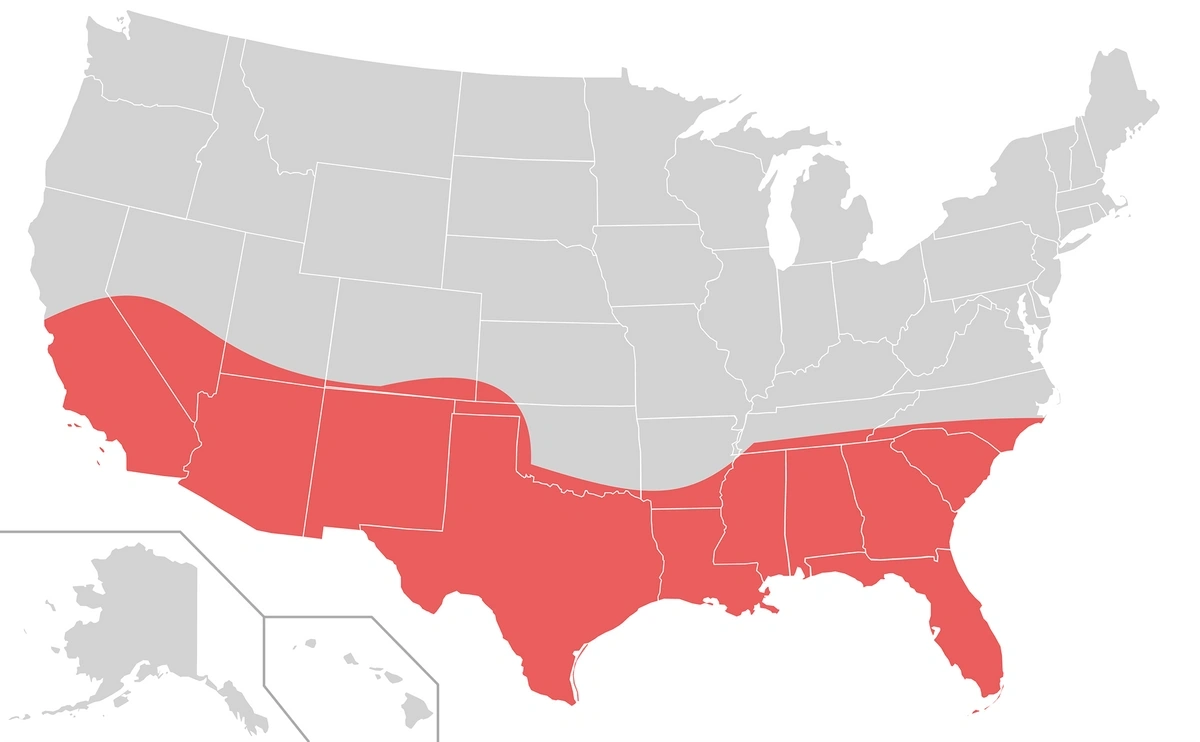 Digital-First House Hunting
The pandemic accelerated the digitization of real estate processes. Virtual tours, 3D tours, and drone videos have become the norm, with online searches for “virtual staging” surpassing their pandemic peak. The
Digital-First House Hunting
The pandemic accelerated the digitization of real estate processes. Virtual tours, 3D tours, and drone videos have become the norm, with online searches for “virtual staging” surpassing their pandemic peak. The 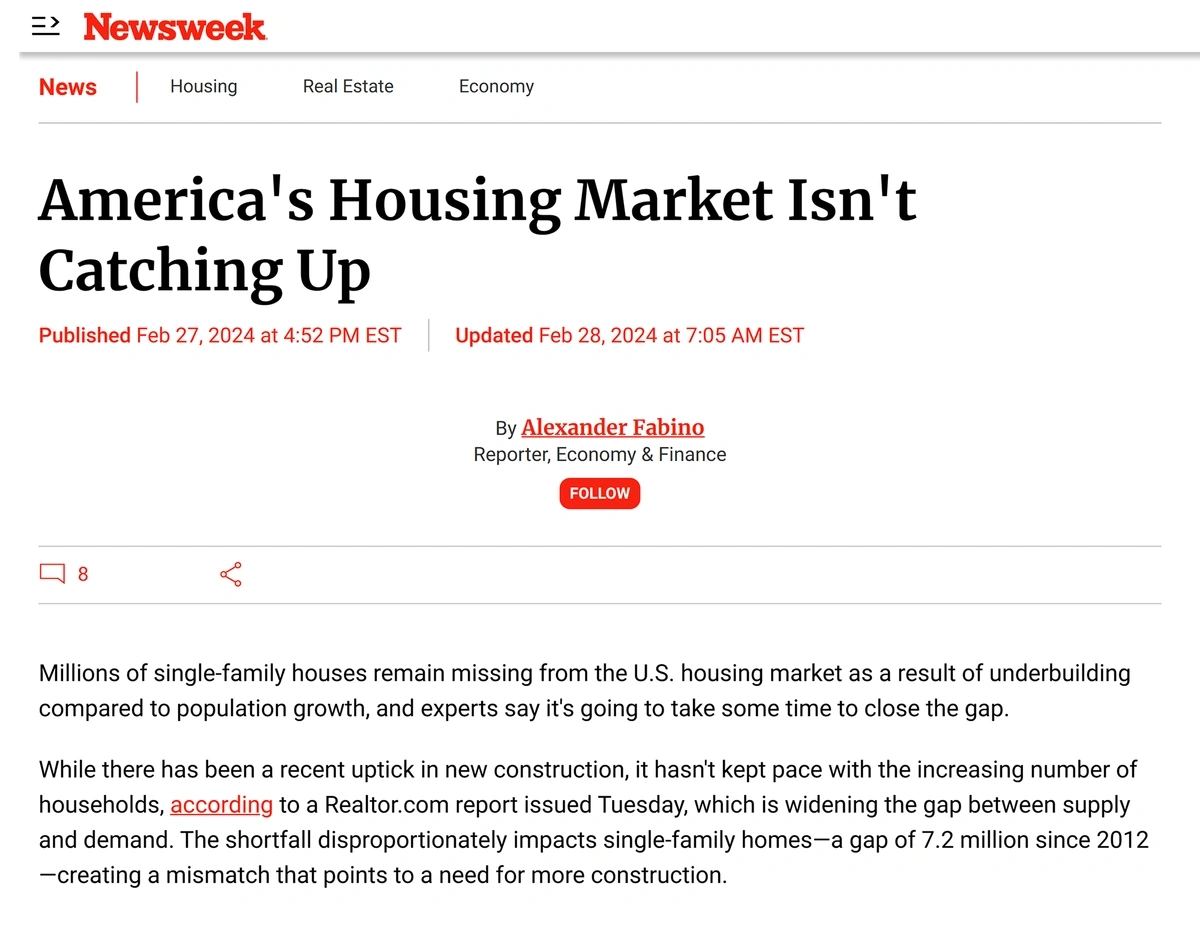 Multi-Generational Living
Rising costs and limited housing options have led to an increase in multi-generational living. The
Multi-Generational Living
Rising costs and limited housing options have led to an increase in multi-generational living. The 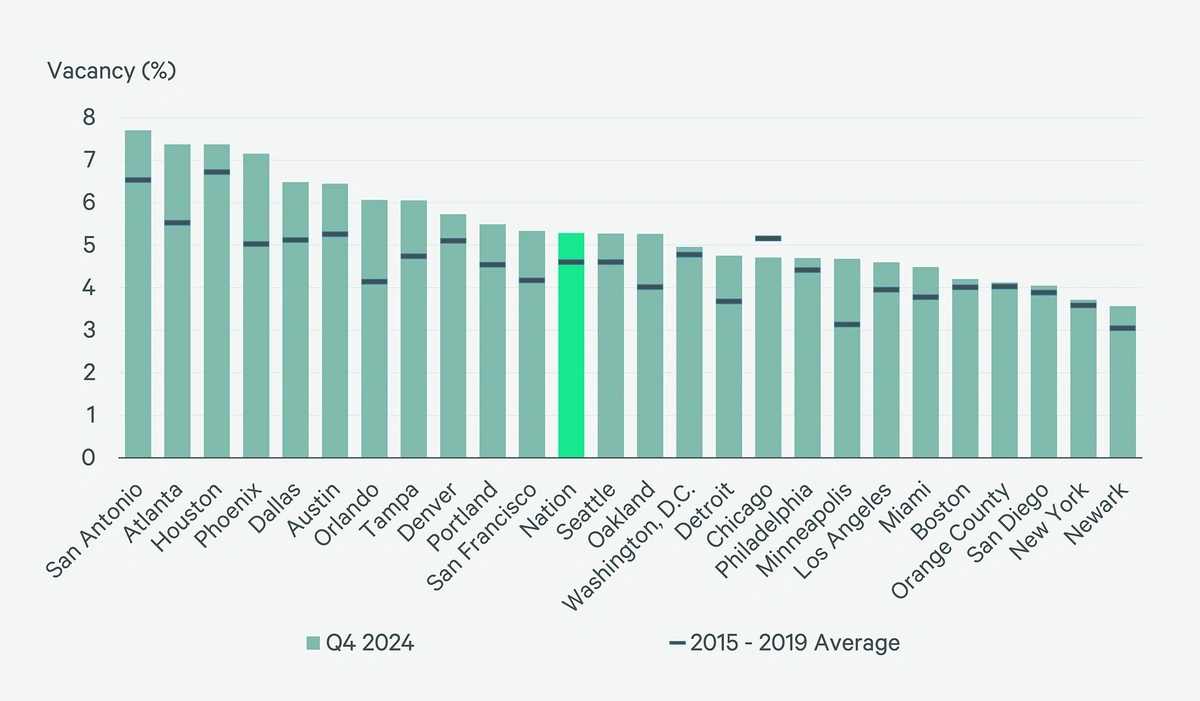 Conclusion
The real estate landscape in 2024 is marked by a continued shift towards suburban living, rising home prices, and digital innovation. While challenges persist, such as housing shortages and high mortgage rates, opportunities abound for those navigating this evolving market.
Conclusion
The real estate landscape in 2024 is marked by a continued shift towards suburban living, rising home prices, and digital innovation. While challenges persist, such as housing shortages and high mortgage rates, opportunities abound for those navigating this evolving market.