Exploring the Shifting Landscape of Real Estate in 2024
The real estate market is undergoing significant transformations as we move into 2024. According to a comprehensive report by Exploding Topics, nine key trends are shaping the industry, driven largely by a notable shift from urban centers to suburban areas.
Rising Home Prices
The demand for single-family homes continues to surge, leading to a 43% increase in prices over the past four years. This trend is beneficial for existing homeowners, who have seen their equity rise by 9.6% last year, adding $1.5 trillion collectively. However, first-time buyers find themselves increasingly locked out of the market due to these high prices. Despite a slight cooling, with median prices declining in the first quarter of 2024, experts forecast a continued rise over the medium term.
The Sun Belt’s Growing Allure
The Sun Belt, a region stretching from California to North Carolina, is witnessing a population boom. As Americans relocate from big cities, this area has become a preferred destination due to its lower taxes and affordable housing. According to Clarion Partners, the Sun Belt now holds about 50% of the national population, expected to rise to 55% by 2040.
Digital-First House Hunting
The pandemic accelerated the digitization of real estate processes. Virtual tours, 3D tours, and drone videos have become the norm, with online searches for “virtual staging” surpassing their pandemic peak. The National Association of Realtors highlights that 41% of buyers begin their property search online.
Suburban Migration
Americans continue to flock to the suburbs, driven by affordability and the freedom of remote work. The US Census Bureau reports a steady shift from urban centers to smaller cities and suburbs. This trend has spurred interest in “middle neighborhoods,” areas offering a blend of suburban and urban conveniences.
Single-Family Housing Shortages
The demand for single-family homes outpaces supply, with a gap of over 7 million homes since 2012. As millennials enter the homeownership phase, this shortage is exacerbated, although recent increases in housing completions offer hope for stabilization.
Multi-Generational Living
Rising costs and limited housing options have led to an increase in multi-generational living. The Pew Research Center notes that the number of multi-generational households has quadrupled since 1971.
Mortgage Rates Remain High
Despite a brief period of record-low mortgage rates in 2021, rates have since climbed to around 7% in 2024. This rise has made home buying more expensive, with the Fannie Mae Housing Forecast predicting a slight decline in rates over the coming years.
Rental Market Shifts
The rental market in major cities is experiencing a decline, with vacancies increasing. However, demand for rentals is rising in smaller cities, creating opportunities for real estate investors in these secondary markets.
Commercial Real Estate in Transition
Office vacancies have reached record highs, influenced by changing work patterns. Yet, retail and multi-family properties show promise, with effective rent for shopping centers at its highest since early 2020.
Conclusion
The real estate landscape in 2024 is marked by a continued shift towards suburban living, rising home prices, and digital innovation. While challenges persist, such as housing shortages and high mortgage rates, opportunities abound for those navigating this evolving market.
More Articles
Getting licensed or staying ahead in your career can be a journey—but it doesn’t have to be overwhelming. Grab your favorite coffee or tea, take a moment to relax, and browse through our articles. Whether you’re just starting out or renewing your expertise, we’ve got tips, insights, and advice to keep you moving forward. Here’s to your success—one sip and one step at a time!
The latest MBA survey shows overall mortgage applications dipping 1.4% during the holiday week, even as purchase activity rose on a seasonally adjusted basis. Refinances cooled despite lower rates, which averaged 6.32% for a 30‑year fixed. Rising ARMs and shifting buyer behavior highlight a market still trying to stabilize amid softening economic indicators.
October delivered the first year‑over‑year slowdown in commercial real estate deals in nearly two years, signaling a growing disconnect between buyers and sellers as elevated rates and policy uncertainty reshape pricing expectations. While multifamily cooled and office assets traded at steep discounts, hotels and adaptive‑reuse projects stood out as rare bright spots. For professionals across real estate, mortgage, and finance, the shifting landscape underscores the need for sharper analysis and continued education heading into 2026.
The US workers’ compensation market is bracing for a pivotal year in 2026 as medical inflation, rising claim complexity, and tightening state regulations push costs higher for insurers and employers. With cumulative trauma injuries increasing and states expanding presumption laws—especially for first responders and healthcare workers—underwriting strategies are being forced to evolve. At the same time, technology like predictive analytics and workplace wearables is reshaping loss prevention, while more organizations turn to captives and hybrid programs to manage volatility.
Over the past 25 years, Florida Realtors has transformed from a simple support desk into one of the most influential tech ecosystems in real estate. Through member‑driven tools like Tech Helpline, Form Simplicity and the new Sabal Sign platform, the association has built a stable, fully integrated system used by agents across the U.S. and Canada. Free from outside investors and focused entirely on member needs, Florida Realtors has quietly become a tech powerhouse—proving that long-term vision, not venture capital, is what truly drives innovation in the industry.
Massachusetts is poised for a major shift in home‑sale transparency as Gov. Maura Healey pushes for mandatory flood disclosures — a change that could impact buyers, sellers, and real estate professionals statewide. With worsening climate conditions and growing flood damage in communities like Winthrop and Salem, the proposal aims to ensure buyers understand a property’s true risk before they commit. The move has wide support from insurers and municipalities, while the real estate industry remains split over its potential impact on the state’s long‑standing “buyer beware” culture.
Florida’s long‑troubled property insurance market is finally showing early signs of recovery. Thanks to recent legislative reforms that reduced litigation and attracted new insurers, some homeowners are even seeing their premiums drop. These improvements are boosting consumer confidence and creating new opportunities for real estate, mortgage, and insurance professionals across the state.

 Rising Home Prices
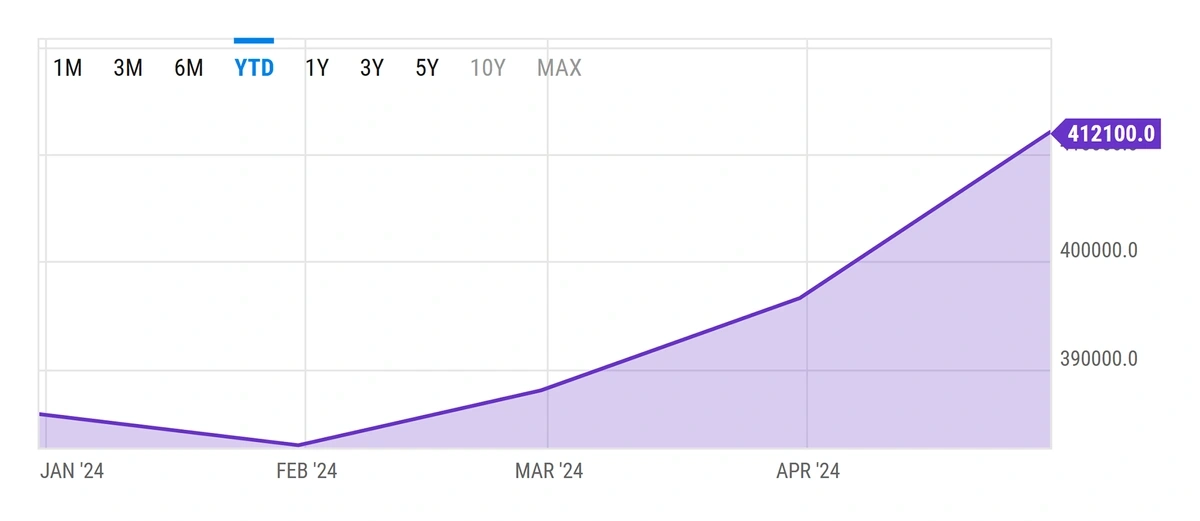
The demand for single-family homes continues to surge, leading to a 43% increase in prices over the past four years. This trend is beneficial for existing homeowners, who have seen their equity rise by 9.6% last year, adding $1.5 trillion collectively. However, first-time buyers find themselves increasingly locked out of the market due to these high prices. Despite a slight cooling, with median prices declining in the first quarter of 2024, experts forecast a continued rise over the medium term.
The Sun Belt’s Growing Allure
The Sun Belt, a region stretching from California to North Carolina, is witnessing a population boom. As Americans relocate from big cities, this area has become a preferred destination due to its lower taxes and affordable housing. According to
Rising Home Prices
The demand for single-family homes continues to surge, leading to a 43% increase in prices over the past four years. This trend is beneficial for existing homeowners, who have seen their equity rise by 9.6% last year, adding $1.5 trillion collectively. However, first-time buyers find themselves increasingly locked out of the market due to these high prices. Despite a slight cooling, with median prices declining in the first quarter of 2024, experts forecast a continued rise over the medium term.
The Sun Belt’s Growing Allure
The Sun Belt, a region stretching from California to North Carolina, is witnessing a population boom. As Americans relocate from big cities, this area has become a preferred destination due to its lower taxes and affordable housing. According to 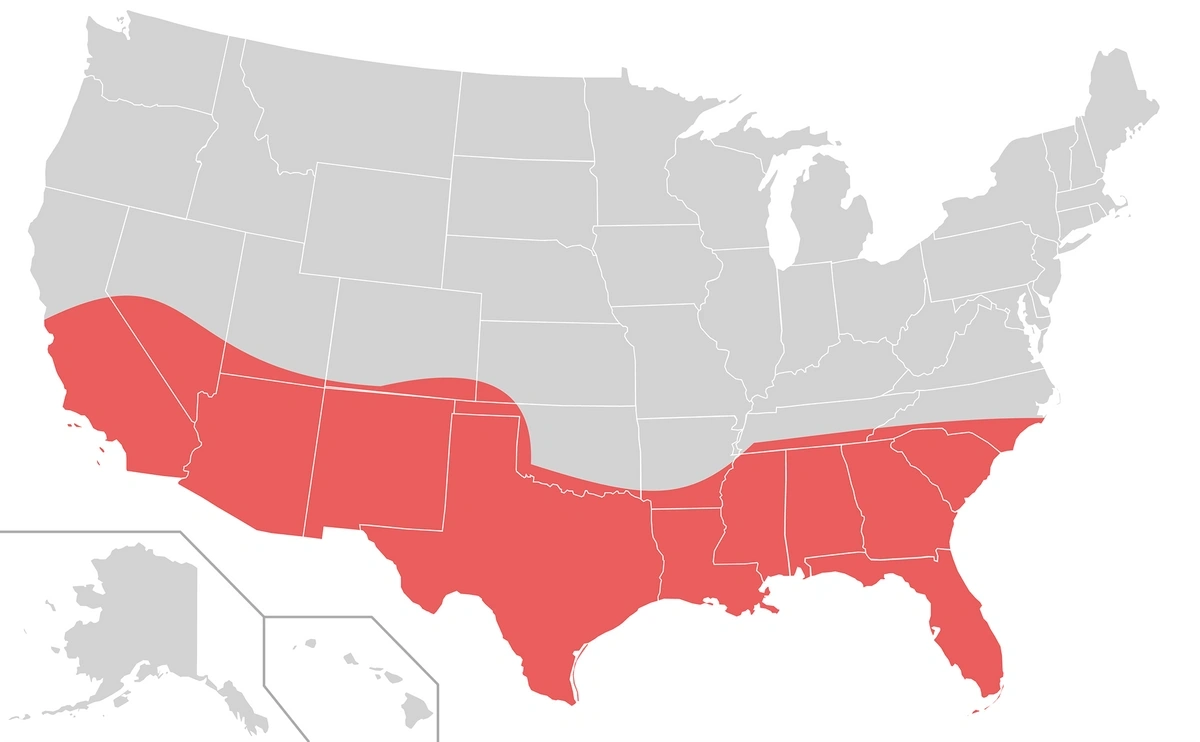 Digital-First House Hunting
The pandemic accelerated the digitization of real estate processes. Virtual tours, 3D tours, and drone videos have become the norm, with online searches for “virtual staging” surpassing their pandemic peak. The
Digital-First House Hunting
The pandemic accelerated the digitization of real estate processes. Virtual tours, 3D tours, and drone videos have become the norm, with online searches for “virtual staging” surpassing their pandemic peak. The 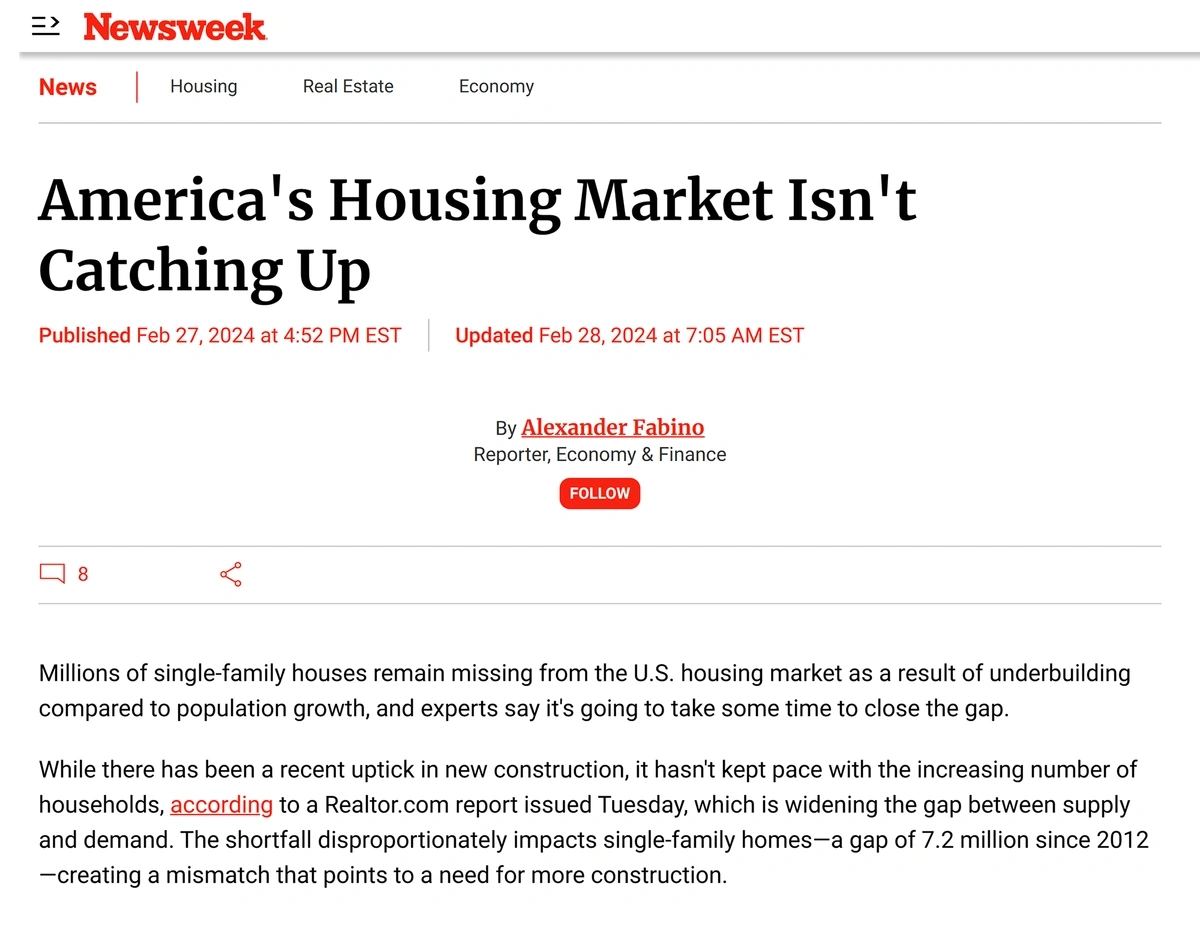 Multi-Generational Living
Rising costs and limited housing options have led to an increase in multi-generational living. The
Multi-Generational Living
Rising costs and limited housing options have led to an increase in multi-generational living. The 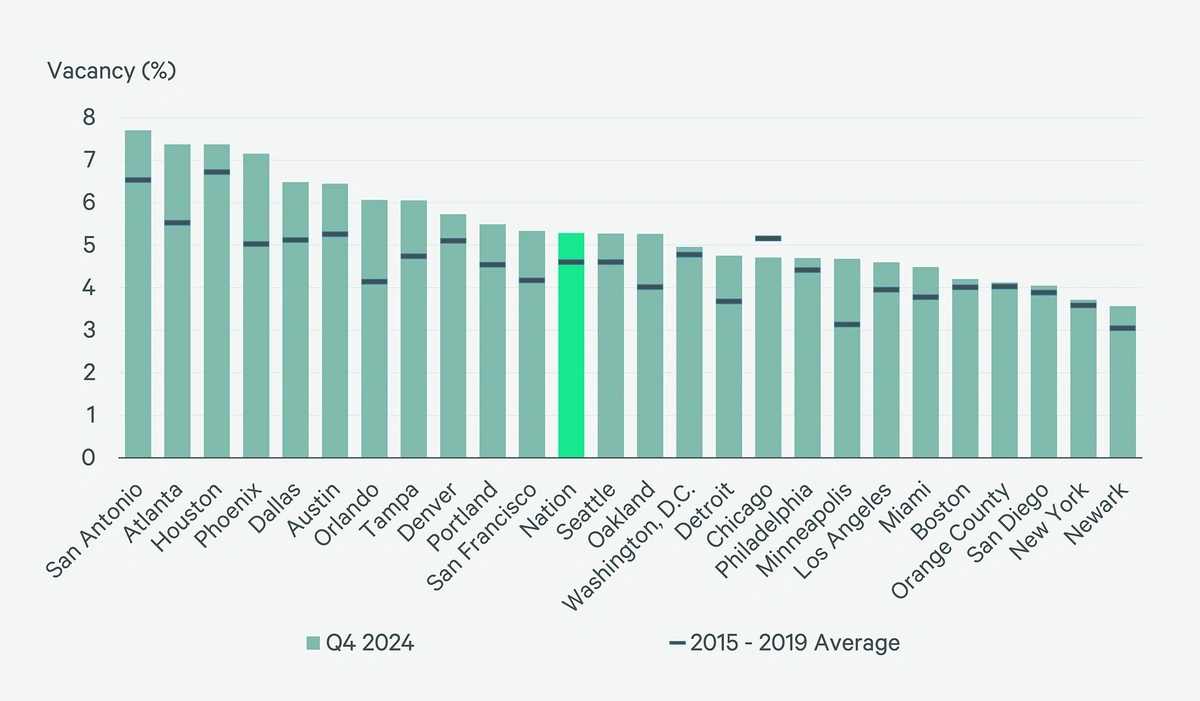 Conclusion
The real estate landscape in 2024 is marked by a continued shift towards suburban living, rising home prices, and digital innovation. While challenges persist, such as housing shortages and high mortgage rates, opportunities abound for those navigating this evolving market.
Conclusion
The real estate landscape in 2024 is marked by a continued shift towards suburban living, rising home prices, and digital innovation. While challenges persist, such as housing shortages and high mortgage rates, opportunities abound for those navigating this evolving market.