Exploring the Shifting Landscape of Real Estate in 2024
The real estate market is undergoing significant transformations as we move into 2024. According to a comprehensive report by Exploding Topics, nine key trends are shaping the industry, driven largely by a notable shift from urban centers to suburban areas.
Rising Home Prices
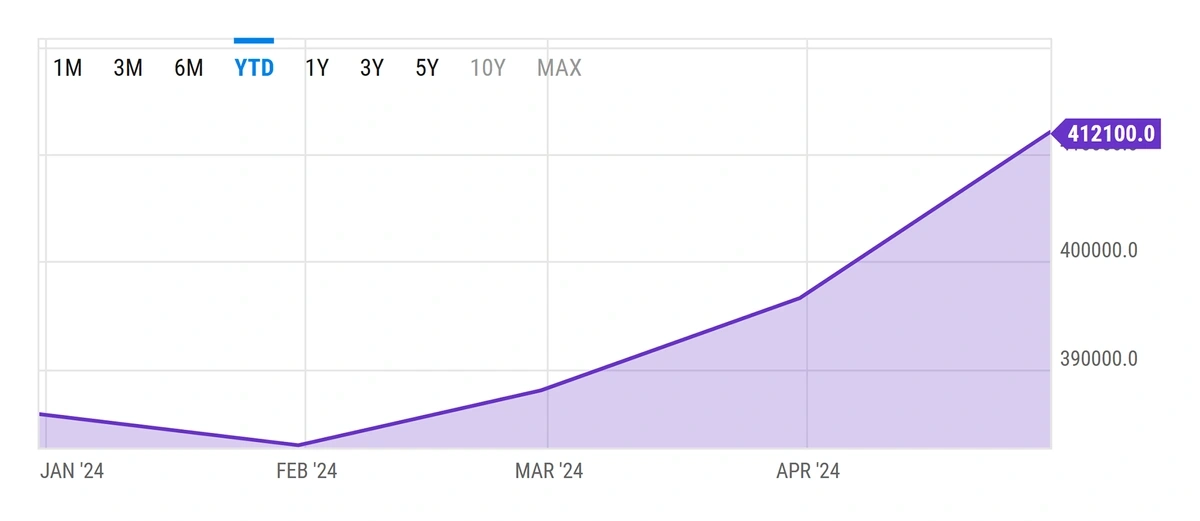
The demand for single-family homes continues to surge, leading to a 43% increase in prices over the past four years. This trend is beneficial for existing homeowners, who have seen their equity rise by 9.6% last year, adding $1.5 trillion collectively. However, first-time buyers find themselves increasingly locked out of the market due to these high prices. Despite a slight cooling, with median prices declining in the first quarter of 2024, experts forecast a continued rise over the medium term.
The Sun Belt’s Growing Allure
The Sun Belt, a region stretching from California to North Carolina, is witnessing a population boom. As Americans relocate from big cities, this area has become a preferred destination due to its lower taxes and affordable housing. According to Clarion Partners, the Sun Belt now holds about 50% of the national population, expected to rise to 55% by 2040.
Digital-First House Hunting
The pandemic accelerated the digitization of real estate processes. Virtual tours, 3D tours, and drone videos have become the norm, with online searches for “virtual staging” surpassing their pandemic peak. The National Association of Realtors highlights that 41% of buyers begin their property search online.
Suburban Migration
Americans continue to flock to the suburbs, driven by affordability and the freedom of remote work. The US Census Bureau reports a steady shift from urban centers to smaller cities and suburbs. This trend has spurred interest in “middle neighborhoods,” areas offering a blend of suburban and urban conveniences.
Single-Family Housing Shortages
The demand for single-family homes outpaces supply, with a gap of over 7 million homes since 2012. As millennials enter the homeownership phase, this shortage is exacerbated, although recent increases in housing completions offer hope for stabilization.
Multi-Generational Living
Rising costs and limited housing options have led to an increase in multi-generational living. The Pew Research Center notes that the number of multi-generational households has quadrupled since 1971.
Mortgage Rates Remain High
Despite a brief period of record-low mortgage rates in 2021, rates have since climbed to around 7% in 2024. This rise has made home buying more expensive, with the Fannie Mae Housing Forecast predicting a slight decline in rates over the coming years.
Rental Market Shifts
The rental market in major cities is experiencing a decline, with vacancies increasing. However, demand for rentals is rising in smaller cities, creating opportunities for real estate investors in these secondary markets.
Commercial Real Estate in Transition
Office vacancies have reached record highs, influenced by changing work patterns. Yet, retail and multi-family properties show promise, with effective rent for shopping centers at its highest since early 2020.
Conclusion
The real estate landscape in 2024 is marked by a continued shift towards suburban living, rising home prices, and digital innovation. While challenges persist, such as housing shortages and high mortgage rates, opportunities abound for those navigating this evolving market.
More Articles
Getting licensed or staying ahead in your career can be a journey—but it doesn’t have to be overwhelming. Grab your favorite coffee or tea, take a moment to relax, and browse through our articles. Whether you’re just starting out or renewing your expertise, we’ve got tips, insights, and advice to keep you moving forward. Here’s to your success—one sip and one step at a time!
Bluerate.ai—formerly MyMortgageRates—is stepping into 2025 with a mission to modernize a mortgage process that has barely changed in decades. Built by Zeitro, the platform equips both borrowers and loan officers with powerful AI tools, from online pre‑qualification and automated financial data extraction to instant guideline answers and scenario analysis. With more than 3,000 verified NMLS‑licensed loan officers and real‑time rate comparisons from major lenders, Bluerate.ai is quickly becoming a must‑know platform for mortgage and real estate professionals seeking speed, clarity, and a fully digital lending experience.
After the longest government shutdown in U.S. history, key federal housing programs such as FHA, VA, USDA, and NFIP are officially back in operation—offering long‑awaited relief to agents, lenders, and insurance professionals. But with a six‑week backlog slowing everything from loan guarantees to flood-insurance renewals, real estate pros should brace for delays and focus on resetting client expectations. A new federal spending deal restores funding through early 2026 and gives the market room to breathe, while NAR’s aggressive advocacy helped push the government toward reopening. Now, professionals who communicate clearly and stay on top of regulatory updates will be best positioned to guide clients through the temporary turbulence.
Commercial real estate is rapidly shifting toward a digital-first model, with platforms like Crexi leading the charge. By unifying property data, AI-driven insights, transparent bidding, and streamlined transaction tools, digital marketplaces are becoming essential to how modern CRE deals are sourced, analyzed, and closed. With more than 2 million monthly users and over $1 trillion in facilitated transactions, Crexi showcases how technology is reshaping the industry and giving real estate professionals a powerful competitive edge.
Europe’s biggest landlords—including Aroundtown, Vonovia, and top global investors—have teamed up to launch ATechX, a powerful new accelerator giving proptech startups something they rarely get: access to real buildings, real customers, and a clear path to scale across multiple countries. Designed to move founders beyond “pilot purgatory,” ATechX offers a true sandbox for innovation in Europe’s aging, regulation‑heavy property market, helping promising technology reach commercial traction faster than ever.
Mortgage rates are finally easing, inventory is climbing, and buyers are gaining leverage for the first time in years — yet sky‑high prices and economic jitters are keeping many on pause. With economists warning that inflation could push rates higher again, this fall may offer a rare window for well‑prepared buyers. Here’s what’s driving the shift, where opportunities are emerging, and how real estate professionals can stay ahead.
Griffin Funding has appointed John Jones as Senior Vice President of Growth and EOS Integrator, aiming to scale the company toward a $3 billion annual non-QM volume goal by 2030. After serving in fractional leadership roles since April 2025, Jones now steps in full‑time to lead organizational structure, efficiency, market expansion, and cross‑department alignment. Backed by strong liquidity and rising deal volume, Griffin Funding appears positioned for major industry impact in the years ahead.

 Rising Home Prices
The demand for single-family homes continues to surge, leading to a 43% increase in prices over the past four years. This trend is beneficial for existing homeowners, who have seen their equity rise by 9.6% last year, adding $1.5 trillion collectively. However, first-time buyers find themselves increasingly locked out of the market due to these high prices. Despite a slight cooling, with median prices declining in the first quarter of 2024, experts forecast a continued rise over the medium term.
The Sun Belt’s Growing Allure
The Sun Belt, a region stretching from California to North Carolina, is witnessing a population boom. As Americans relocate from big cities, this area has become a preferred destination due to its lower taxes and affordable housing. According to
Rising Home Prices
The demand for single-family homes continues to surge, leading to a 43% increase in prices over the past four years. This trend is beneficial for existing homeowners, who have seen their equity rise by 9.6% last year, adding $1.5 trillion collectively. However, first-time buyers find themselves increasingly locked out of the market due to these high prices. Despite a slight cooling, with median prices declining in the first quarter of 2024, experts forecast a continued rise over the medium term.
The Sun Belt’s Growing Allure
The Sun Belt, a region stretching from California to North Carolina, is witnessing a population boom. As Americans relocate from big cities, this area has become a preferred destination due to its lower taxes and affordable housing. According to 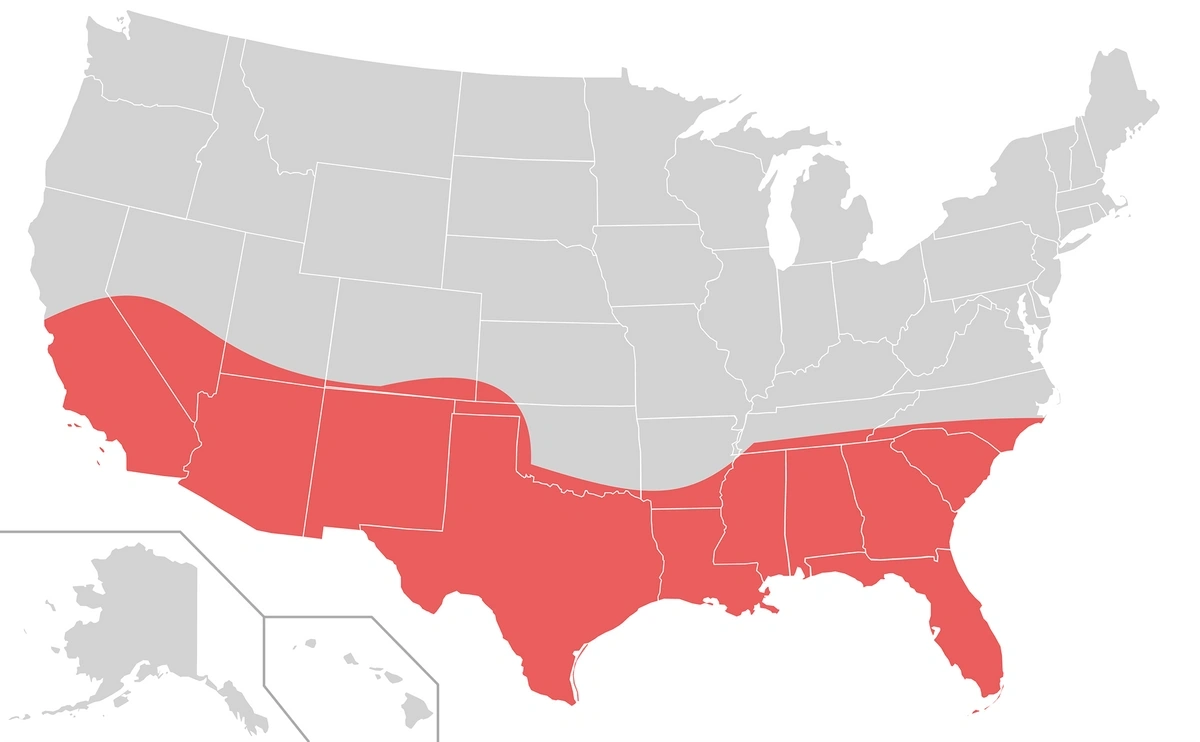 Digital-First House Hunting
The pandemic accelerated the digitization of real estate processes. Virtual tours, 3D tours, and drone videos have become the norm, with online searches for “virtual staging” surpassing their pandemic peak. The
Digital-First House Hunting
The pandemic accelerated the digitization of real estate processes. Virtual tours, 3D tours, and drone videos have become the norm, with online searches for “virtual staging” surpassing their pandemic peak. The 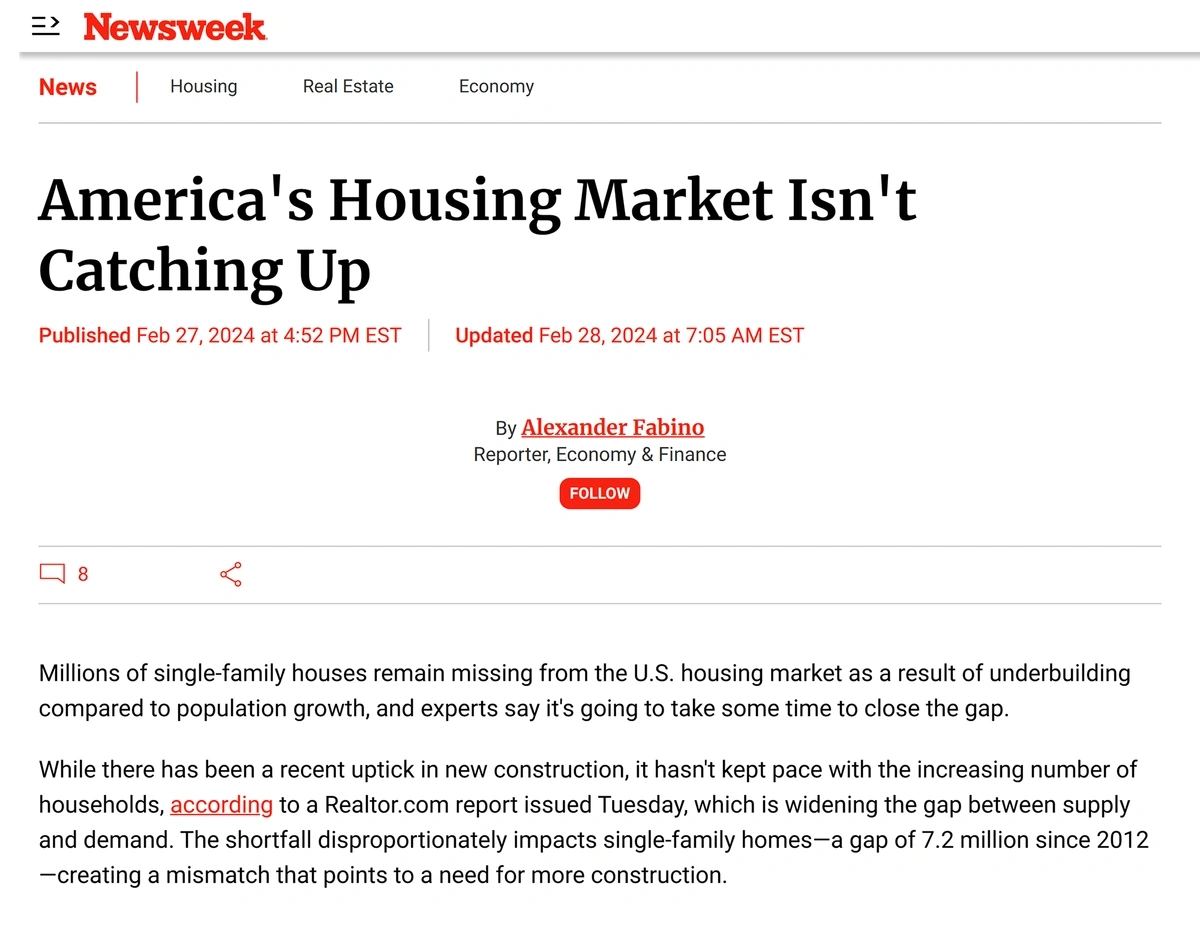 Multi-Generational Living
Rising costs and limited housing options have led to an increase in multi-generational living. The
Multi-Generational Living
Rising costs and limited housing options have led to an increase in multi-generational living. The 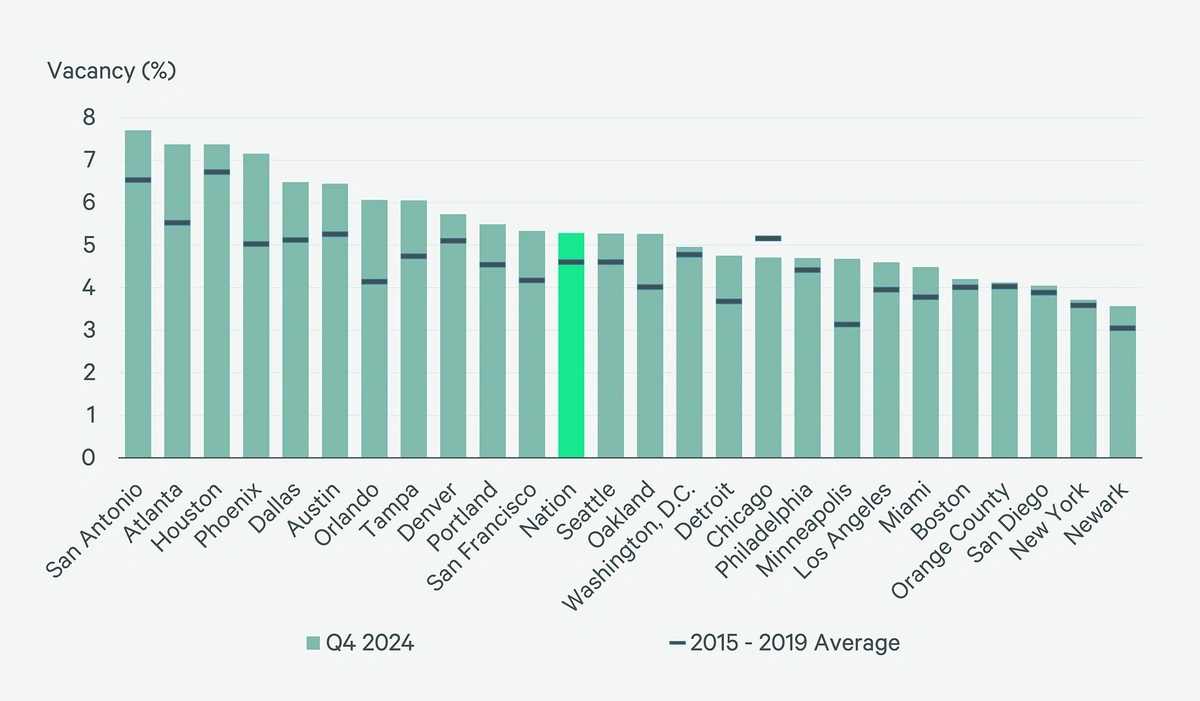 Conclusion
The real estate landscape in 2024 is marked by a continued shift towards suburban living, rising home prices, and digital innovation. While challenges persist, such as housing shortages and high mortgage rates, opportunities abound for those navigating this evolving market.
Conclusion
The real estate landscape in 2024 is marked by a continued shift towards suburban living, rising home prices, and digital innovation. While challenges persist, such as housing shortages and high mortgage rates, opportunities abound for those navigating this evolving market.