As we navigate the ever-evolving landscape of real estate, 2024 presents a fascinating array of trends that are reshaping the industry. According to a comprehensive report by Exploding Topics, nine pivotal trends are poised to redefine the market over the next 18-24 months.
1. Home Prices Continue to Climb
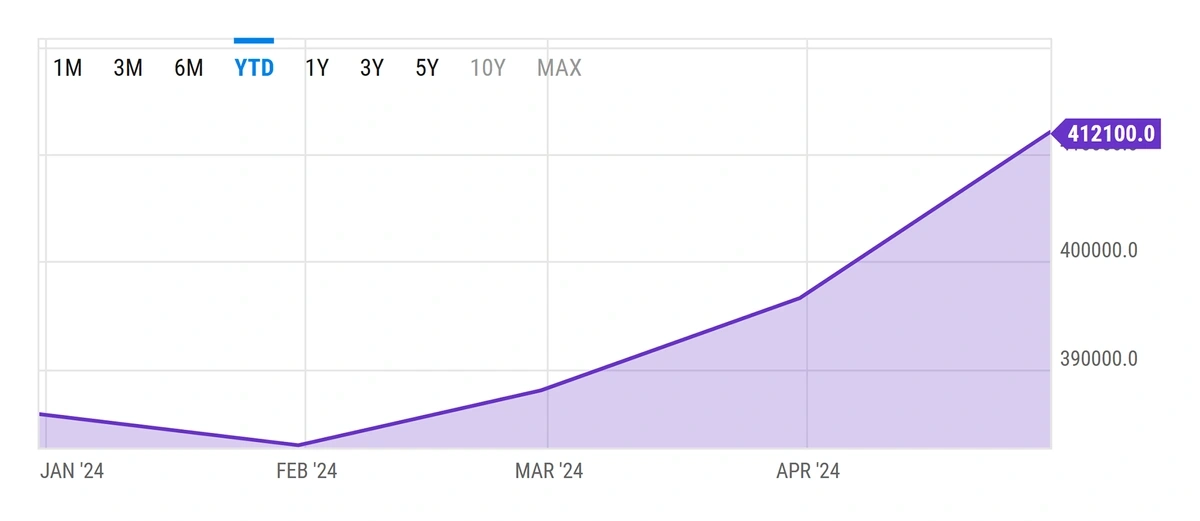
The quest for single-family homes is driving prices skyward, with a staggering 43% increase over the past four years. This surge, while beneficial for existing homeowners, poses significant challenges for first-time buyers. The average US homeowner saw a 9.6% equity increase last year, adding $1.5 trillion collectively. However, a cooling trend is emerging, as median prices declined in early 2024.
2. The Sun Belt’s Rising Popularity
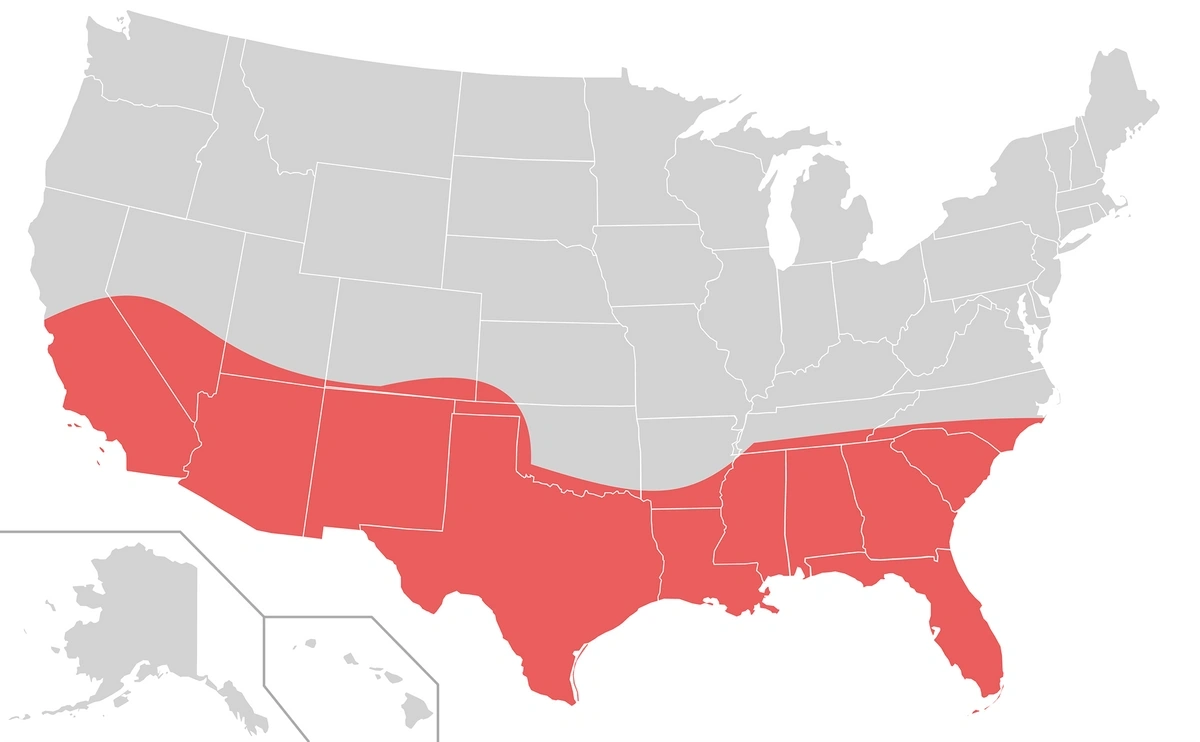
The Sun Belt, stretching from California to North Carolina, is experiencing a population boom. With 80% of the nation’s growth concentrated here, the region’s appeal is undeniable. Lower taxes and affordable housing are drawing both retirees and young professionals. Cities like Dallas and Tampa are now among the top ten US cities for real estate potential.
3. Digital-First House Hunting
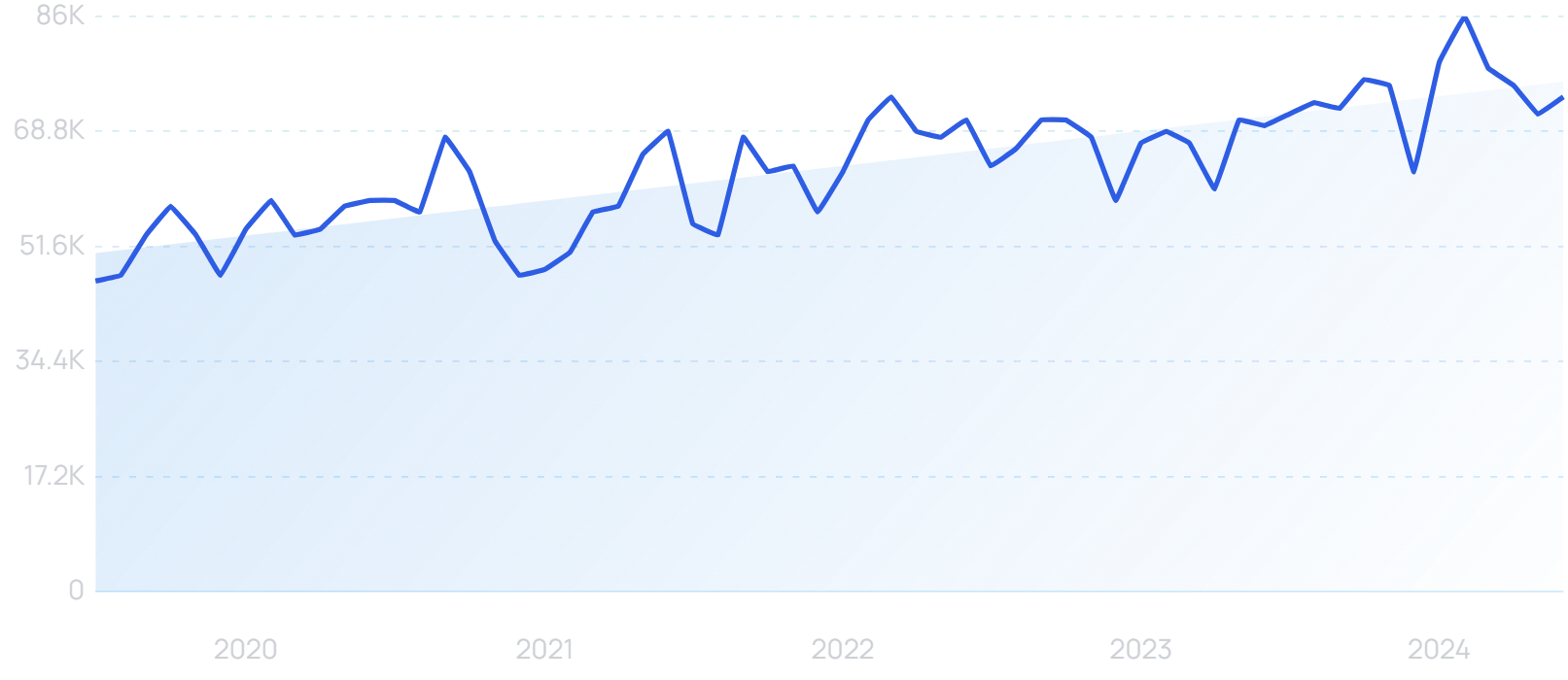
The digital transformation of real estate is in full swing. Virtual tours, drone videos, and online staging are revolutionizing how buyers interact with properties. The National Association of Realtors highlights that the internet is the starting point for 41% of buyers, underscoring the shift to digital-first strategies.
4. Movement from Cities to Suburbs
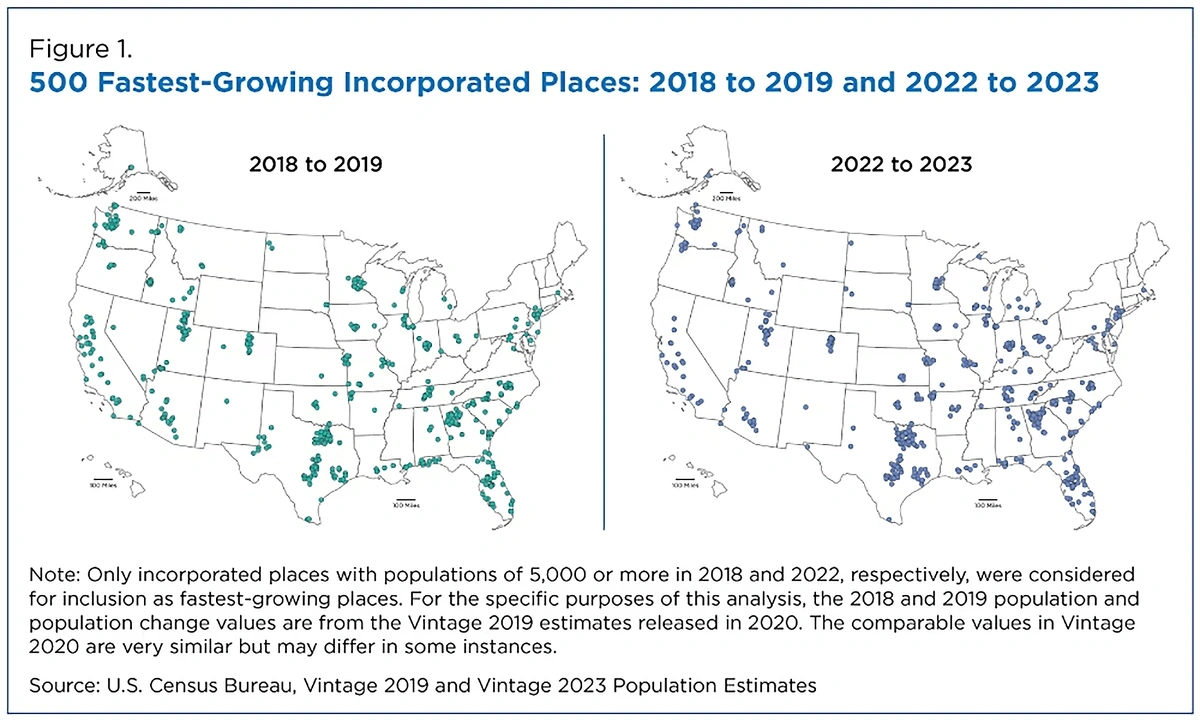
The suburban migration continues, driven by affordability and remote work flexibility. The US Census Bureau reports a significant shift towards smaller cities and suburbs, with “middle neighborhoods” offering a blend of suburban and urban amenities.
5. Single-Family Housing Demand Creates Shortages
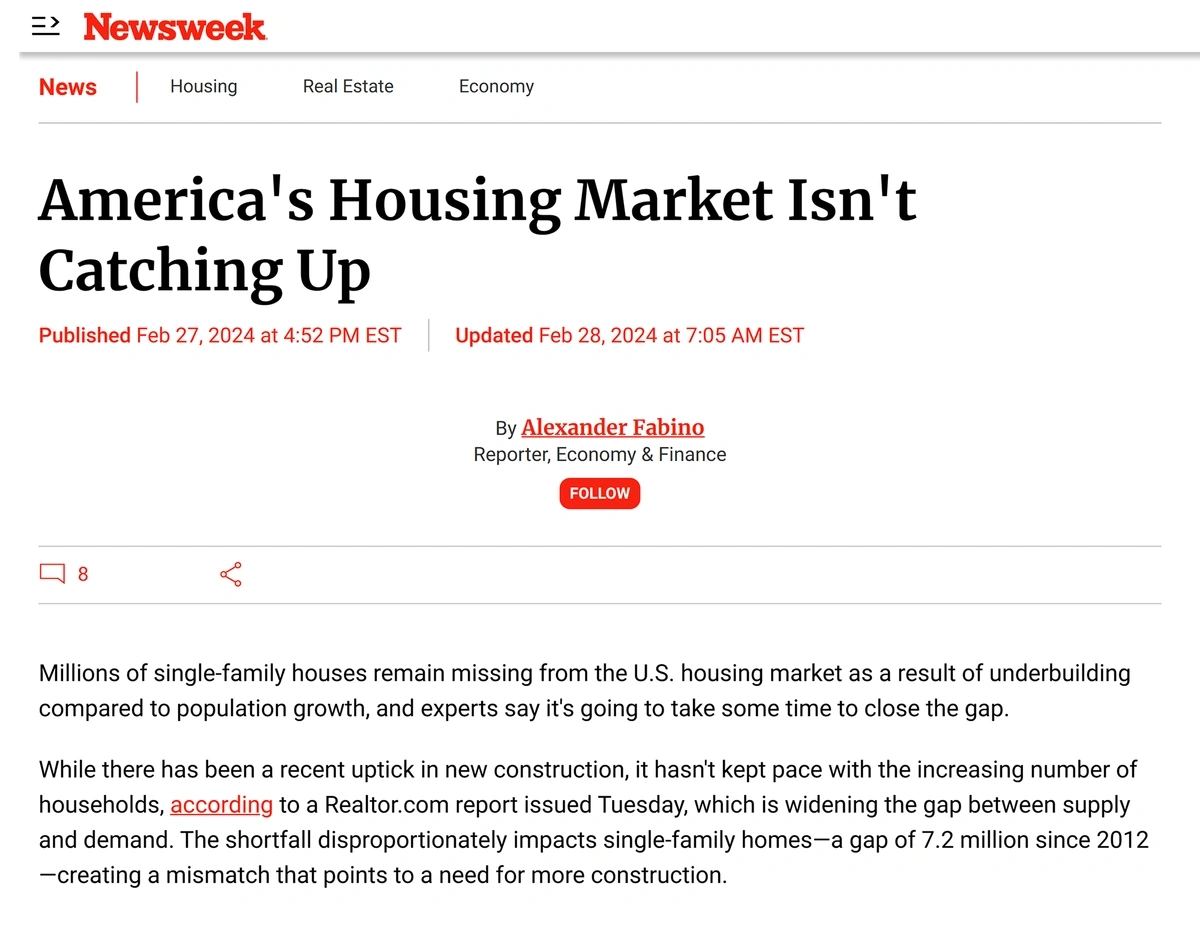
The demand for single-family homes is outpacing supply, with a gap of over 7 million homes since 2012. This shortage is exacerbated by millennials entering the housing market and institutional investors purchasing a significant share of available homes.
6. Multi-Generational Living on the Rise
Economic pressures and cultural shifts are driving an increase in multi-generational households. This trend is particularly notable among immigrant communities and is reshaping the housing landscape.
7. Mortgage Rates Remain High
Mortgage rates, which once hit record lows, have climbed to around 7% in 2024. This rise is making home buying more expensive and impacting monthly payments for variable-rate mortgages. Fannie Mae forecasts a slight decrease in rates over the coming years.
8. Decline in the Rental Property Market
The rental market in major cities is experiencing a downturn as more people seek homeownership or alternative living arrangements. However, mid-size and smaller cities are witnessing rising rental demand as housing supply struggles to keep up.
9. Commercial Real Estate in Flux
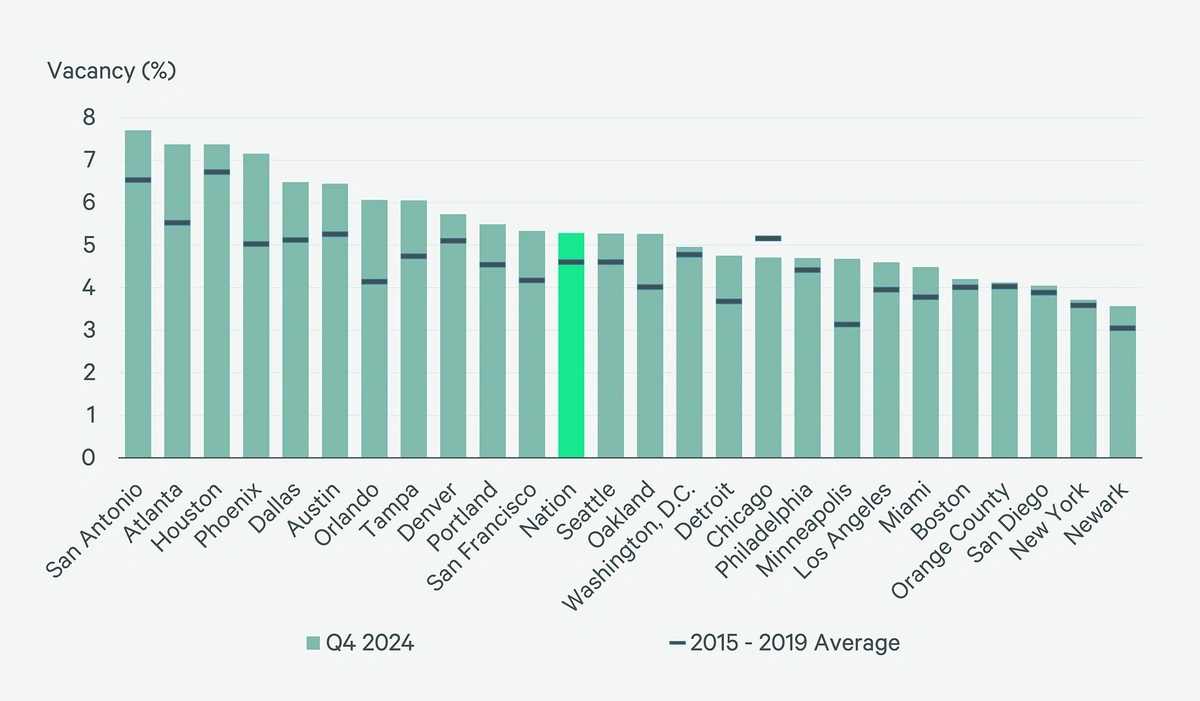
Changing work patterns continue to impact commercial real estate. While office vacancies are high, opportunities are emerging in retail and multi-family properties. Moody’s Analytics notes a positive trend in neighborhood shopping centers.
Conclusion
As these trends unfold, they present both challenges and opportunities within the real estate market. While high prices and mortgage rates may deter some buyers, the shifts to digital platforms and suburban living offer new avenues for growth and investment. For more insights, explore the full report on Exploding Topics.
Getting licensed or staying ahead in your career can be a journey—but it doesn’t have to be overwhelming. Grab your favorite coffee or tea, take a moment to relax, and browse through our articles. Whether you’re just starting out or renewing your expertise, we’ve got tips, insights, and advice to keep you moving forward. Here’s to your success—one sip and one step at a time!
A fast‑growing Israeli startup called Agora is reshaping how real estate investment firms operate by replacing outdated spreadsheets and scattered emails with a seamless digital platform. Built by former military intelligence technologists, Agora centralizes investor onboarding, reporting, financial tracking and communication—giving firms a modern backbone for managing complex portfolios. As proptech adoption accelerates worldwide, understanding tools like Agora is becoming essential knowledge for new and seasoned real estate professionals alike.
Canada remains one of the fastest and most accessible places to launch a real estate career, with no university degree required and most provinces offering licensing timelines under a year. This guide breaks down every major step—eligibility, education, exams, brokerage registration, and income expectations—while comparing requirements across Ontario, BC, Alberta, and Quebec. It also highlights what truly separates successful agents from those who leave the profession: consistent prospecting, strong preparation, and long-term discipline.
The 2026 housing market is starting off with colder-than-usual activity but warmer opportunities for buyers. Mortgage rates have dipped nearly a full percentage point from last year, inventory is slowly increasing, and competition is easing just enough to give buyers more leverage. While prices are still rising, the pace has cooled, and motivated sellers are becoming more flexible. Whether you're planning to buy or preparing clients as a real estate professional, the key message remains the same: the right time to purchase depends far more on your financial readiness than on headline noise.
More landlords than ever are turning to LLCs to protect their assets, streamline operations, and unlock tax advantages. An LLC can separate your personal finances from your rental business, provide liability protection, and offer valuable tax benefits. This article breaks down what LLCs do for landlords, how they affect taxes, the benefits they bring, and the best practices for setting one up in 2025—giving real estate professionals and investors a clear, practical guide for making the right decision.
Florida lawmakers have approved Sen. Joe Gruters proposal to push more commercial properties from Citizens Property Insurance into the private market. The bill tightens eligibility rules, expands the clearinghouse process, and could shift about 25 billion dollars in risk to private carriers. Supporters say the change reduces taxpayer exposure after major storms, while opponents worry about relying more on the less-regulated surplus lines market. The measure now heads to Gov. Ron DeSantis for final approval.
Wire fraud has evolved into a major danger for Florida real estate transactions, with criminals hijacking email accounts, impersonating buyers and sellers, and creating fake title company websites. First‑time buyers are especially vulnerable, and losses often occur right before closing when emotions are high. Experts warn that nearly all wire fraud can be prevented with proper verification, secure communication, and professional training—making education a critical defense for today’s real estate professionals.