Falling Rents Today, Rising Pressures Tomorrow: Is a 2026 Rental Squeeze Coming?

Modern austin residences construction

After a brief moment of relief in 2025, renters across the United States may soon face a very different reality. The surge of newly completed apartments that helped cool rental prices is fading — and new data suggests the supply pipeline for 2026 is thinning rapidly.

This trend was highlighted in an eye‑opening NBC News report that warns of a looming supply crunch. As construction cools and economic pressures rise, renters and real estate professionals may be entering a significantly more competitive market.

The End of a Building Boom

Experts note that the pandemic‑era apartment construction boom has officially wound down. Redfin Chief Economist Daryl Fairweather puts it plainly: “Fewer housing projects are being started and fewer are being completed.”

New federal data from the U.S. Census Bureau and HUD shows:

  • Construction starts down nearly 11% year‑over‑year
  • Completions down a striking 42%

Translation: fewer units being built now means even fewer available in 2026.

Rising Costs, Shrinking Inventory

Higher interest rates, wage increases, fees, and materials have all pressured builders. Large metros have slowed, yet construction has risen in smaller and mid‑sized markets across the Sunbelt and Midwest.

Economist Robert Dietz notes, “It’s cheaper to build in those areas,” although shifting work patterns may soon redirect renters back toward dense urban centers.

Where Rents Are Falling — and Where They’re Not

According to Realtor.com’s latest data, average rents across the 50 largest U.S. metros fell 1% year‑over‑year. Austin and Denver saw large declines, while New York, Chicago, D.C., and San Francisco saw flat or rising rents.

But if supply tightens in 2026, today’s falling‑rent cities could become tomorrow’s competitive battlegrounds.

A Perfect Storm for Renters?

Fairweather and Dietz both warn that renters may face stiff challenges next year. Limited new supply plus fewer homebuyers could push more households into already competitive rental markets.

Expect to see:

  • More intergenerational households
  • More roommate‑based living
  • Renters staying in place longer
  • Increased pressure on new and renovated units

With new permit approvals taking 18+ months to become finished apartments, relief won’t be fast.

What This Means for Real Estate Professionals

Agents, property managers, mortgage specialists, and other housing professionals will need a sharp understanding of these emerging dynamics. With competition rising, the most successful professionals will be those who can guide clients through shifting supply, pricing, and demand.

For anyone looking to sharpen their expertise, Florida’s Cameron Academy offers online courses for real estate, mortgage, insurance, and several other licensing fields — helping professionals stay ahead as the market evolves.

Looking Ahead

Although permit activity is increasing, Dietz expects building momentum to remain “relatively flat” through 2026. With 2024’s inventory fading and fewer new units entering the market, renters could soon face a tighter and more expensive environment.

The bottom line: renters and housing professionals should prepare now — 2026 may be one of the most competitive rental years in recent memory.


More Articles

Getting licensed or staying ahead in your career can be a journey—but it doesn’t have to be overwhelming. Grab your favorite coffee or tea, take a moment to relax, and browse through our articles. Whether you’re just starting out or renewing your expertise, we’ve got tips, insights, and advice to keep you moving forward. Here’s to your success—one sip and one step at a time!

Florida Homeowners Finally Get Relief as Gov. DeSantis Announces Significant Insurance Premium Cuts

Florida homeowners — especially in hard‑hit South Florida — are set to see rare and substantial reductions in their property insurance premiums. Gov. Ron DeSantis announced an average statewide Citizens Insurance decrease of 8.7%, with even larger savings of up to 14% in counties like Miami-Dade, Broward, and Palm Beach. State officials credit recent legal and regulatory reforms for stabilizing the market, attracting new insurers, and delivering the first meaningful rate relief Floridians have seen in years.

Tampa’s Real Estate Market Enters a Smarter, More Selective Growth Phase

Tampa’s commercial real estate market isn’t slowing—it’s maturing. With strong population growth, rising office demand, a normalized industrial sector, resurgent retail, and an emerging health‑care real estate boom, investors are shifting from speed to strategy. Tighter underwriting, cautious capital and increased due‑diligence are shaping a more disciplined market, creating new opportunities for informed professionals.

Florida Slashes Home Insurance Rates: Biggest Drop in a Decade Sends Shockwaves Through the Market

Florida homeowners are finally seeing relief as Citizens Property Insurance announces a major 8.7% average rate decrease—far larger than originally proposed. Driven by legislative reforms, fewer lawsuits, and a calm hurricane season, the state’s once‑unstable insurance market is showing real signs of recovery. But with reduced coverage limits and shifting legal protections, experts warn that lower premiums may come with hidden trade‑offs.

Florida Homeowners Finally Get Insurance Relief After Years of Soaring Premiums

After a decade of rising premiums and retreating carriers, Florida homeowners are finally seeing long‑awaited relief. Dozens of insurers have filed for rate decreases—some as high as 11%—thanks to legislative reforms and a stabilizing market. Early approvals are already hitting counties across the state, and experts say the momentum could boost buyer confidence, affordability, and competition throughout Florida’s real estate and insurance sectors.

Self‑Storage Investing in 2026: A Market Thaw Opens the Door to Big Opportunities

After years of slowed activity caused by rising interest rates, the self‑storage industry is heating up again. New data from Marcus & Millichap shows a fresh market cycle emerging, driven by renewed buyer confidence, recalibrated pricing, and stronger lender participation. Acquisitions are rebounding, development is resetting in a healthier direction, and financing conditions are improving—creating one of the most promising investment landscapes the sector has seen in years.

Brookline’s Real Flood Risk: What FEMA’s New Maps Reveal—and What They Miss

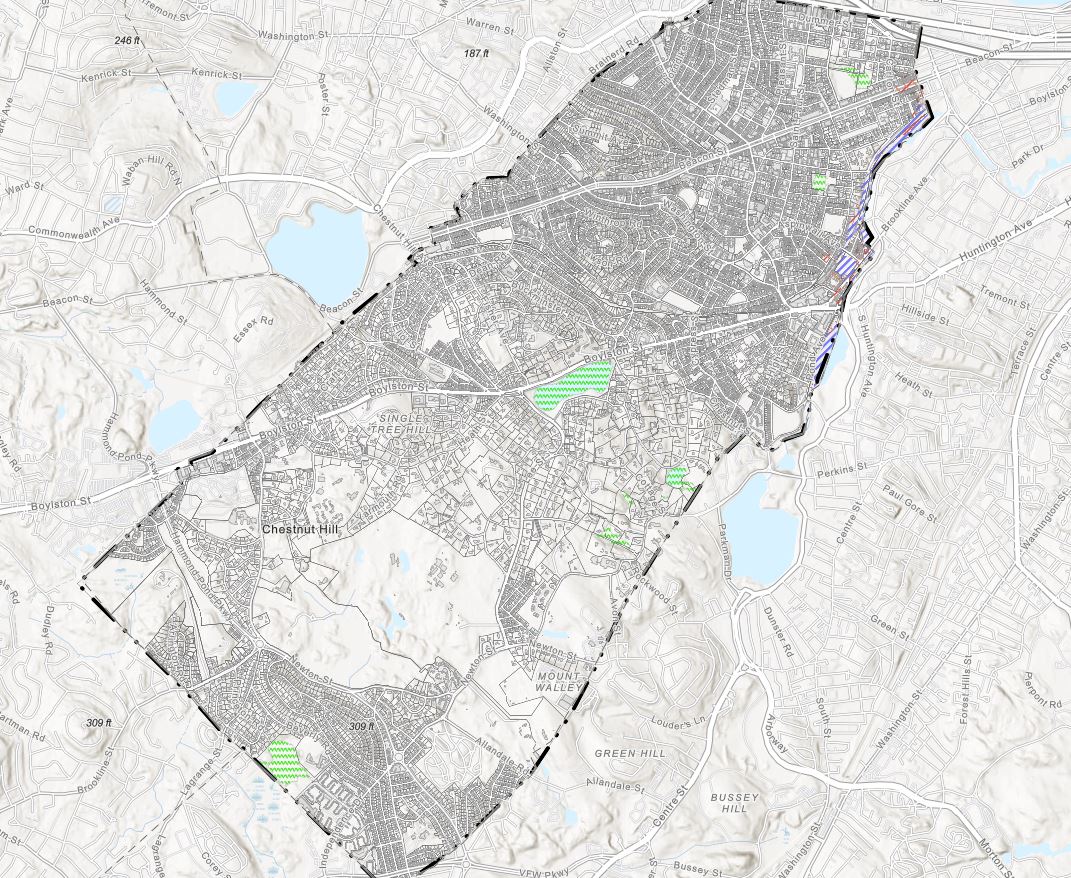
Brookline’s newly updated FEMA flood maps identify 97 high‑risk parcels, but local experts warn the true threat is far greater. While FEMA highlights river‑based flooding around Leverett Pond and the Muddy River, alternative models show more than 1,300 Brookline properties at risk within 30 years. Hidden vulnerabilities along major corridors like Beacon Street, rising rainfall intensity, aging infrastructure, and climate‑driven storm patterns suggest that many “low‑risk” areas may be anything but safe.