Falling Rents Today, Rising Pressures Tomorrow: Is a 2026 Rental Squeeze Coming?

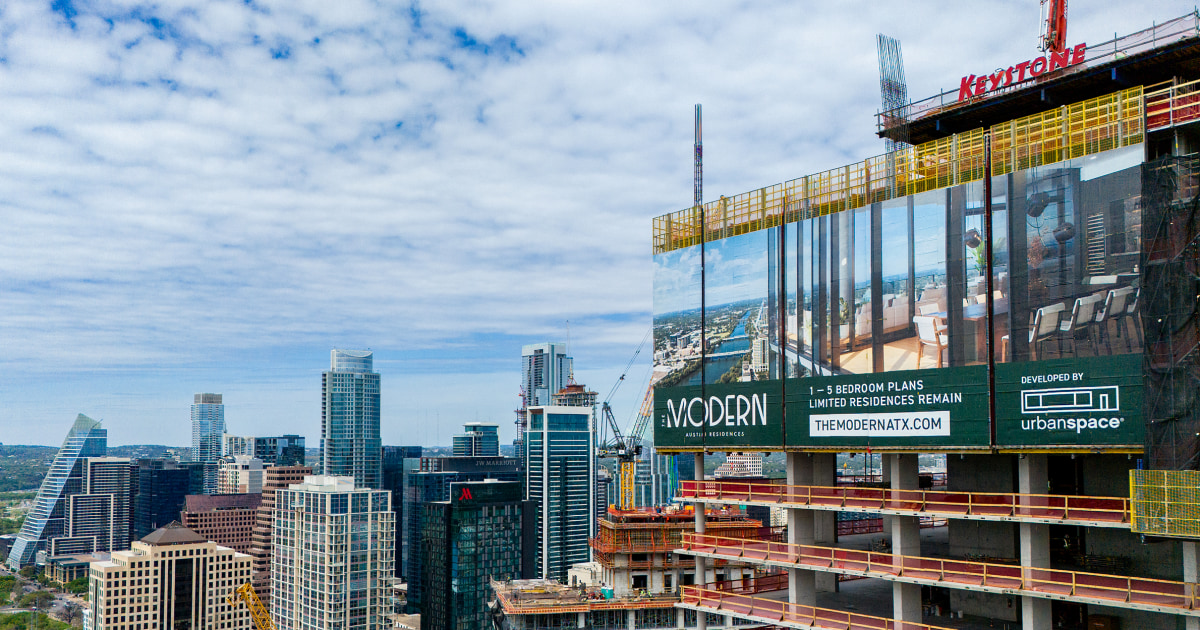
Modern austin residences construction

After a brief moment of relief in 2025, renters across the United States may soon face a very different reality. The surge of newly completed apartments that helped cool rental prices is fading — and new data suggests the supply pipeline for 2026 is thinning rapidly.

This trend was highlighted in an eye‑opening NBC News report that warns of a looming supply crunch. As construction cools and economic pressures rise, renters and real estate professionals may be entering a significantly more competitive market.

The End of a Building Boom

Experts note that the pandemic‑era apartment construction boom has officially wound down. Redfin Chief Economist Daryl Fairweather puts it plainly: “Fewer housing projects are being started and fewer are being completed.”

New federal data from the U.S. Census Bureau and HUD shows:

  • Construction starts down nearly 11% year‑over‑year
  • Completions down a striking 42%

Translation: fewer units being built now means even fewer available in 2026.

Rising Costs, Shrinking Inventory

Higher interest rates, wage increases, fees, and materials have all pressured builders. Large metros have slowed, yet construction has risen in smaller and mid‑sized markets across the Sunbelt and Midwest.

Economist Robert Dietz notes, “It’s cheaper to build in those areas,” although shifting work patterns may soon redirect renters back toward dense urban centers.

Where Rents Are Falling — and Where They’re Not

According to Realtor.com’s latest data, average rents across the 50 largest U.S. metros fell 1% year‑over‑year. Austin and Denver saw large declines, while New York, Chicago, D.C., and San Francisco saw flat or rising rents.

But if supply tightens in 2026, today’s falling‑rent cities could become tomorrow’s competitive battlegrounds.

A Perfect Storm for Renters?

Fairweather and Dietz both warn that renters may face stiff challenges next year. Limited new supply plus fewer homebuyers could push more households into already competitive rental markets.

Expect to see:

  • More intergenerational households
  • More roommate‑based living
  • Renters staying in place longer
  • Increased pressure on new and renovated units

With new permit approvals taking 18+ months to become finished apartments, relief won’t be fast.

What This Means for Real Estate Professionals

Agents, property managers, mortgage specialists, and other housing professionals will need a sharp understanding of these emerging dynamics. With competition rising, the most successful professionals will be those who can guide clients through shifting supply, pricing, and demand.

For anyone looking to sharpen their expertise, Florida’s Cameron Academy offers online courses for real estate, mortgage, insurance, and several other licensing fields — helping professionals stay ahead as the market evolves.

Looking Ahead

Although permit activity is increasing, Dietz expects building momentum to remain “relatively flat” through 2026. With 2024’s inventory fading and fewer new units entering the market, renters could soon face a tighter and more expensive environment.

The bottom line: renters and housing professionals should prepare now — 2026 may be one of the most competitive rental years in recent memory.

More Articles

Getting licensed or staying ahead in your career can be a journey—but it doesn’t have to be overwhelming. Grab your favorite coffee or tea, take a moment to relax, and browse through our articles. Whether you’re just starting out or renewing your expertise, we’ve got tips, insights, and advice to keep you moving forward. Here’s to your success—one sip and one step at a time!

Emerging Greenhouse Risks and Insurance Trends Shaping 2026

The greenhouse industry is entering 2026 with a complex wave of overlapping risks — from rising insurance costs and extreme weather to cyber threats, labor shortages, and unstable supply chains. These challenges aren’t isolated; they compound one another, increasing pressure on growers and business owners alike. Insights from industry experts reveal the key trends shaping risk management in the year ahead and what operators must do now to stay resilient.

Bank Regulations Are Shifting — How New FDIC Rules Are Reshaping Commercial Real Estate

New FDIC reporting rules are changing how banks classify and disclose commercial real estate loans, replacing the old Troubled Debt Restructuring label with clearer “financial difficulty” modifications and expanding transparency across structured products and capital requirements. These updates may briefly tighten lending but ultimately promise stronger liquidity, cleaner risk data, and more predictable CRE financing as banks adapt.

AI in Real Estate: The Market Shift Every Professional Must Prepare For

Artificial intelligence is no longer an upcoming trend—it's already reshaping how real estate professionals work, compete, and win. With the AI real estate sector set to surge from $222B in 2024 to nearly $1T by 2029, the industry is undergoing a rapid transformation in valuations, virtual tours, listings, investment analysis, and client management. Agents and investors who embrace AI tools are gaining unprecedented efficiency and insight, while those who resist risk falling behind.

The 50‑Year Mortgage Debate: Lifeline for Buyers or Decades of Debt?

The Federal Housing Finance Agency is weighing the idea of 50‑year mortgages, a move that could make monthly payments more affordable but dramatically increase total interest costs. Supporters say it may help young professionals break into the housing market, while critics warn it could trap families in half a century of debt. As the industry debates this controversial loan option, real estate and mortgage professionals must stay informed to guide clients through the shifting landscape.

December Mortgage Outlook: Why Rates May Rise Despite Market Confusion

December is shaping up to be another unpredictable month for mortgage rates. With the Federal Reserve signaling mixed messages, key economic reports running behind schedule, and lenders already looking ahead to 2026, rates could face upward pressure. Experts from Fannie Mae and the MBA project an average 30‑year rate around 6.3% for late 2025, suggesting a potential December bump. For real estate and mortgage professionals, understanding this volatility isn’t just helpful — it’s a competitive edge.

The Housing Market Hits a Winter Chill

Sellers are cutting prices at record levels, delistings are surging to highs not seen since 2017, and buyers remain hesitant despite slightly lower mortgage rates. With affordability still strained and new construction slowing, the 2025 housing market is entering a deeper‑than‑usual winter slowdown marked by caution on all sides.