Falling Rents Today, Rising Pressures Tomorrow: Is a 2026 Rental Squeeze Coming?

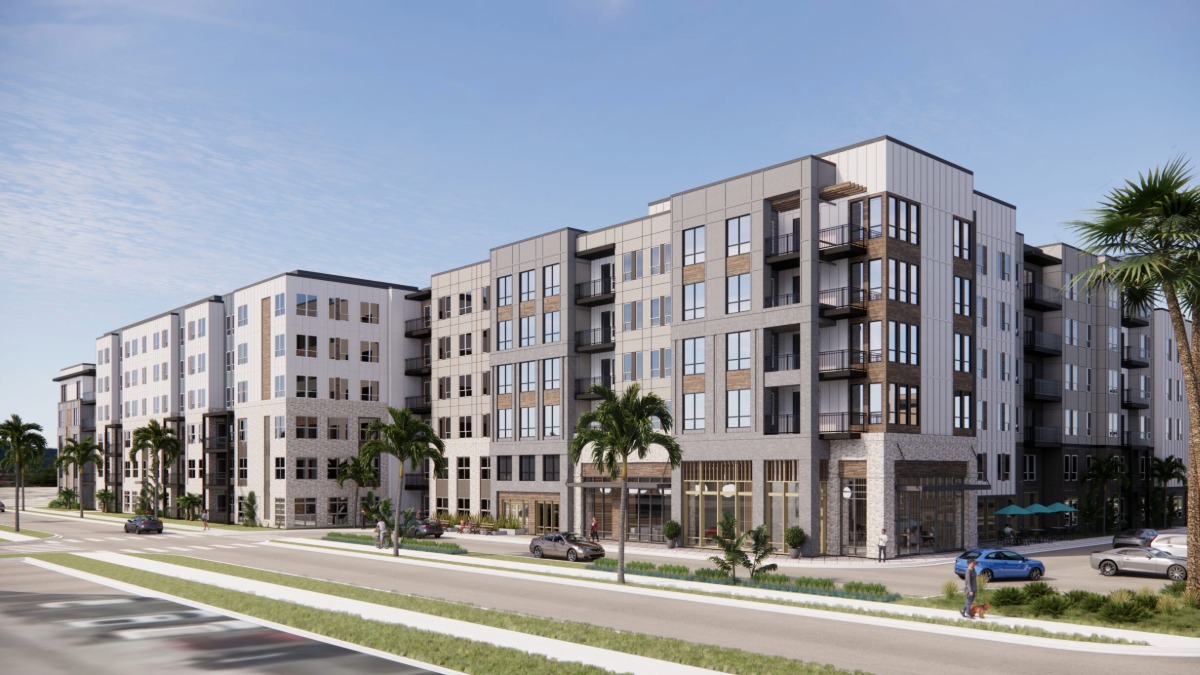
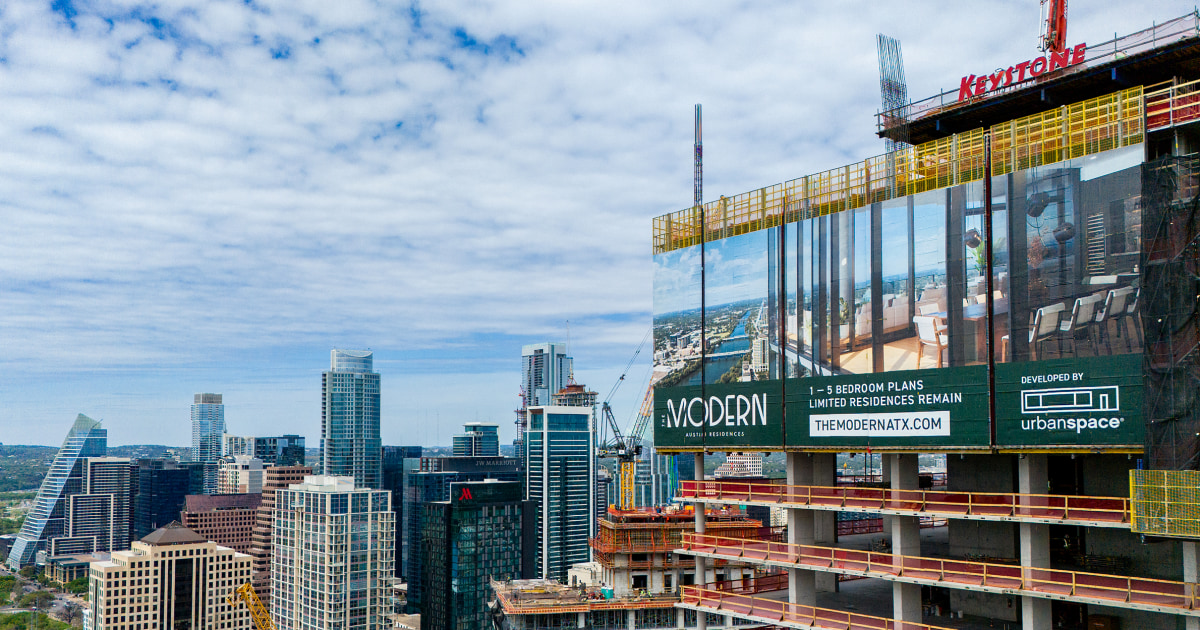
Modern austin residences construction

After a brief moment of relief in 2025, renters across the United States may soon face a very different reality. The surge of newly completed apartments that helped cool rental prices is fading — and new data suggests the supply pipeline for 2026 is thinning rapidly.

This trend was highlighted in an eye‑opening NBC News report that warns of a looming supply crunch. As construction cools and economic pressures rise, renters and real estate professionals may be entering a significantly more competitive market.

The End of a Building Boom

Experts note that the pandemic‑era apartment construction boom has officially wound down. Redfin Chief Economist Daryl Fairweather puts it plainly: “Fewer housing projects are being started and fewer are being completed.”

New federal data from the U.S. Census Bureau and HUD shows:

  • Construction starts down nearly 11% year‑over‑year
  • Completions down a striking 42%

Translation: fewer units being built now means even fewer available in 2026.

Rising Costs, Shrinking Inventory

Higher interest rates, wage increases, fees, and materials have all pressured builders. Large metros have slowed, yet construction has risen in smaller and mid‑sized markets across the Sunbelt and Midwest.

Economist Robert Dietz notes, “It’s cheaper to build in those areas,” although shifting work patterns may soon redirect renters back toward dense urban centers.

Where Rents Are Falling — and Where They’re Not

According to Realtor.com’s latest data, average rents across the 50 largest U.S. metros fell 1% year‑over‑year. Austin and Denver saw large declines, while New York, Chicago, D.C., and San Francisco saw flat or rising rents.

But if supply tightens in 2026, today’s falling‑rent cities could become tomorrow’s competitive battlegrounds.

A Perfect Storm for Renters?

Fairweather and Dietz both warn that renters may face stiff challenges next year. Limited new supply plus fewer homebuyers could push more households into already competitive rental markets.

Expect to see:

  • More intergenerational households
  • More roommate‑based living
  • Renters staying in place longer
  • Increased pressure on new and renovated units

With new permit approvals taking 18+ months to become finished apartments, relief won’t be fast.

What This Means for Real Estate Professionals

Agents, property managers, mortgage specialists, and other housing professionals will need a sharp understanding of these emerging dynamics. With competition rising, the most successful professionals will be those who can guide clients through shifting supply, pricing, and demand.

For anyone looking to sharpen their expertise, Florida’s Cameron Academy offers online courses for real estate, mortgage, insurance, and several other licensing fields — helping professionals stay ahead as the market evolves.

Looking Ahead

Although permit activity is increasing, Dietz expects building momentum to remain “relatively flat” through 2026. With 2024’s inventory fading and fewer new units entering the market, renters could soon face a tighter and more expensive environment.

The bottom line: renters and housing professionals should prepare now — 2026 may be one of the most competitive rental years in recent memory.

More Articles

Getting licensed or staying ahead in your career can be a journey—but it doesn’t have to be overwhelming. Grab your favorite coffee or tea, take a moment to relax, and browse through our articles. Whether you’re just starting out or renewing your expertise, we’ve got tips, insights, and advice to keep you moving forward. Here’s to your success—one sip and one step at a time!

The Mark Tampa Breaks Ground on 800‑Bed Luxury Student Housing Near USF

Landmark Properties has officially begun construction on The Mark Tampa, a six‑story luxury student community featuring over 800 beds, rooftop amenities, study spaces, retail, and modern unit layouts. Set to open before the 2027–2028 school year, the project signals strong investor confidence in North Tampa’s booming student housing market.

Florida’s Insurance Costs Erupt Into a 2026 Election Flashpoint

Florida’s property and auto insurance crisis is intensifying, setting the stage for a major political showdown ahead of the 2026 elections. Republicans argue recent reforms are finally stabilizing the market, while Democrats insist families are being crushed by soaring premiums and can’t wait for relief. With homeowners, condo associations, and insurers all feeling the pressure, lawmakers are preparing for one of the most consequential legislative battles in years.

A December Fed Cut Could Be Coming — But Don’t Expect Mortgage Rates to Drop

Markets are betting heavily on a Federal Reserve rate cut in December, but that doesn’t guarantee lower mortgage rates. Even with an 85% chance of a cut priced in, mortgage rates move more with the 10‑year Treasury than the Fed itself — and recent history shows rates can rise even when the Fed eases. Today’s 6.43% average rate is the lowest in over a year, but still unpredictable, making financial readiness more important than trying to time the market.

Grand Junction’s Commercial Real Estate Market Surges 36% as New Chains Fuel Regional Growth

Grand Junction is experiencing a powerful commercial real estate upswing, with 151 commercial units closed so far in 2025—a 36% jump from last year. Building permits are also up 23%, signaling expanding development momentum. Brokers say interest from national chains is accelerating the city’s evolution, bringing jobs, investment, and long‑term economic potential to Colorado’s Western Slope.

Nashville Ranks #6 in Emerging Trends in Real Estate 2026 Report

Nashville continues its rise as one of the nation’s most attractive real estate markets, landing the #6 spot in the Emerging Trends in Real Estate 2026 report from PwC and ULI. With strong demographic momentum, business expansion, and a development pipeline drawing national eyes, the city stands out amid shifting economic conditions. The report highlights fast‑growing sectors such as data centers, senior housing, and evolving office dynamics—offering real estate professionals valuable insight into where opportunities are emerging next.

CRE This Week: The Key Trends Reshaping Canada’s Commercial Real Estate Market in 2025

Canada’s commercial real estate sector continues to evolve rapidly, with new data revealing major transactions, shifting investment patterns, and emerging economic signals across the country. From resilient retail spending to cooling construction and regional standouts like Montreal and the Prairies, this week’s CRE pulse—powered by Altus Group’s research team—gives real estate, mortgage, and finance professionals a sharp snapshot of the market forces to watch as 2025 winds down.