Falling Rents Today, Rising Pressures Tomorrow: Is a 2026 Rental Squeeze Coming?

Modern austin residences construction

After a brief moment of relief in 2025, renters across the United States may soon face a very different reality. The surge of newly completed apartments that helped cool rental prices is fading — and new data suggests the supply pipeline for 2026 is thinning rapidly.

This trend was highlighted in an eye‑opening NBC News report that warns of a looming supply crunch. As construction cools and economic pressures rise, renters and real estate professionals may be entering a significantly more competitive market.

The End of a Building Boom

Experts note that the pandemic‑era apartment construction boom has officially wound down. Redfin Chief Economist Daryl Fairweather puts it plainly: “Fewer housing projects are being started and fewer are being completed.”

New federal data from the U.S. Census Bureau and HUD shows:

  • Construction starts down nearly 11% year‑over‑year
  • Completions down a striking 42%

Translation: fewer units being built now means even fewer available in 2026.

Rising Costs, Shrinking Inventory

Higher interest rates, wage increases, fees, and materials have all pressured builders. Large metros have slowed, yet construction has risen in smaller and mid‑sized markets across the Sunbelt and Midwest.

Economist Robert Dietz notes, “It’s cheaper to build in those areas,” although shifting work patterns may soon redirect renters back toward dense urban centers.

Where Rents Are Falling — and Where They’re Not

According to Realtor.com’s latest data, average rents across the 50 largest U.S. metros fell 1% year‑over‑year. Austin and Denver saw large declines, while New York, Chicago, D.C., and San Francisco saw flat or rising rents.

But if supply tightens in 2026, today’s falling‑rent cities could become tomorrow’s competitive battlegrounds.

A Perfect Storm for Renters?

Fairweather and Dietz both warn that renters may face stiff challenges next year. Limited new supply plus fewer homebuyers could push more households into already competitive rental markets.

Expect to see:

  • More intergenerational households
  • More roommate‑based living
  • Renters staying in place longer
  • Increased pressure on new and renovated units

With new permit approvals taking 18+ months to become finished apartments, relief won’t be fast.

What This Means for Real Estate Professionals

Agents, property managers, mortgage specialists, and other housing professionals will need a sharp understanding of these emerging dynamics. With competition rising, the most successful professionals will be those who can guide clients through shifting supply, pricing, and demand.

For anyone looking to sharpen their expertise, Florida’s Cameron Academy offers online courses for real estate, mortgage, insurance, and several other licensing fields — helping professionals stay ahead as the market evolves.

Looking Ahead

Although permit activity is increasing, Dietz expects building momentum to remain “relatively flat” through 2026. With 2024’s inventory fading and fewer new units entering the market, renters could soon face a tighter and more expensive environment.

The bottom line: renters and housing professionals should prepare now — 2026 may be one of the most competitive rental years in recent memory.


More Articles

Getting licensed or staying ahead in your career can be a journey—but it doesn’t have to be overwhelming. Grab your favorite coffee or tea, take a moment to relax, and browse through our articles. Whether you’re just starting out or renewing your expertise, we’ve got tips, insights, and advice to keep you moving forward. Here’s to your success—one sip and one step at a time!

Rising Home Insurance Costs Are Quietly Rewriting America’s Real Estate Rules

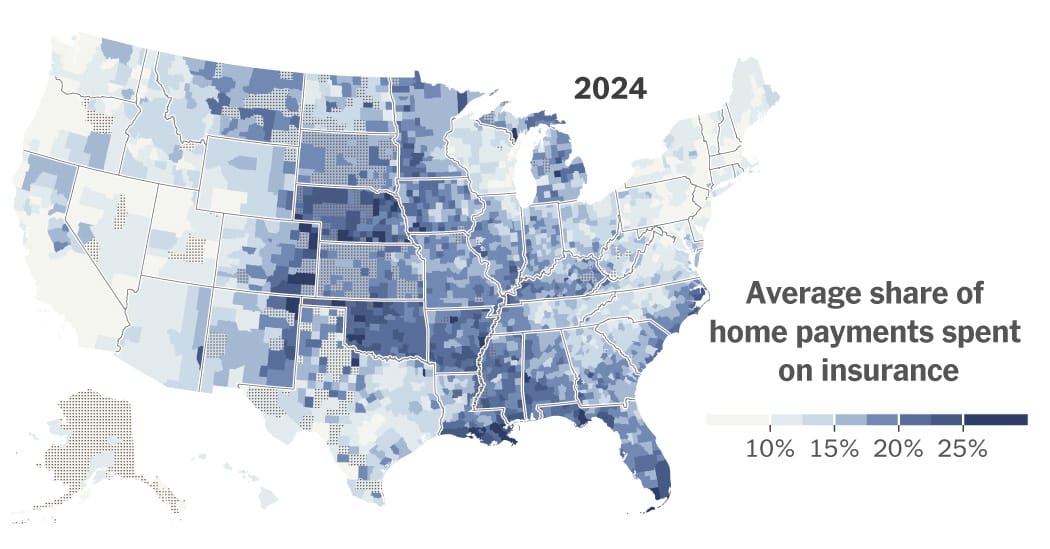
A surge in home insurance premiums is reshaping housing markets across the country, hitting disaster‑prone regions the hardest. From Louisiana to Colorado and California, deals are collapsing, buyers are backing out, and home values are dropping as insurance becomes a central affordability hurdle. New data shows climate‑driven risk repricing and soaring reinsurance costs are stripping tens of thousands of dollars from property values, forcing some homeowners to sell at a loss—or go uninsured altogether.

Is 2026 the Year the Housing Market Finally Roars Back? NAR Thinks So

After years of sluggish activity, the National Association of REALTORS predicts 2026 could mark the long‑awaited rebound for the housing market. With a projected 14% jump in home sales, steadier rates near 6%, and rising buyer activity, NAR economists say momentum is already building. Early signs—like a 31% surge in mortgage applications, continued job growth, and stabilizing prices—suggest a stronger, more confident market ahead, creating fresh opportunities for both seasoned professionals and aspiring agents preparing to enter the field.

Global Capital Is on the Move: What Colliers’ 2026 Outlook Means for the Future of Real Estate

A surge of global capital is reshaping real estate heading into 2026, with investors shifting toward hands‑on strategies, cross‑border diversification, and high‑growth asset classes like data centers. Colliers’ 2026 Global Investor Outlook highlights rising confidence, improving liquidity, and a major pivot toward direct investing and value‑add opportunities. From office market rebounds to Asia Pacific’s rapid fundraising growth, the report outlines trends every real estate professional should understand as the industry enters a more dynamic, opportunity‑rich cycle.

California Bets on a Single Staircase to Unlock New Housing

Culver City just became the first place in California to legalize six‑story apartment buildings with only one staircase — a simple change that could reshape mid‑rise housing statewide. By freeing up as much as 7% more usable floor space, architects say single‑stair designs allow bigger units, more windows, and the kind of elegant layouts common in New York and Europe. If the city’s six‑year experiment succeeds, it may spark a broader rethinking of U.S. building codes and open the door to more flexible, affordable multifamily development across California.

Stratford Launches 2025 Property Revaluation, Sending New Assessments to Homeowners

Stratford homeowners are receiving their 2025 Notices of Assessment Change, marking the town’s first property revaluation since 2019. Officials emphasize that rising assessments do not equal higher tax bills, as a new mill rate won’t be set until spring 2026. Residents can challenge or review their updated valuations through informal hearings hosted by Vision Government Solutions, with appointments available for one week after receiving a notice.

Florida Homeowners Buckle Under Nation-Leading Insurance Premiums as Crisis Deepens

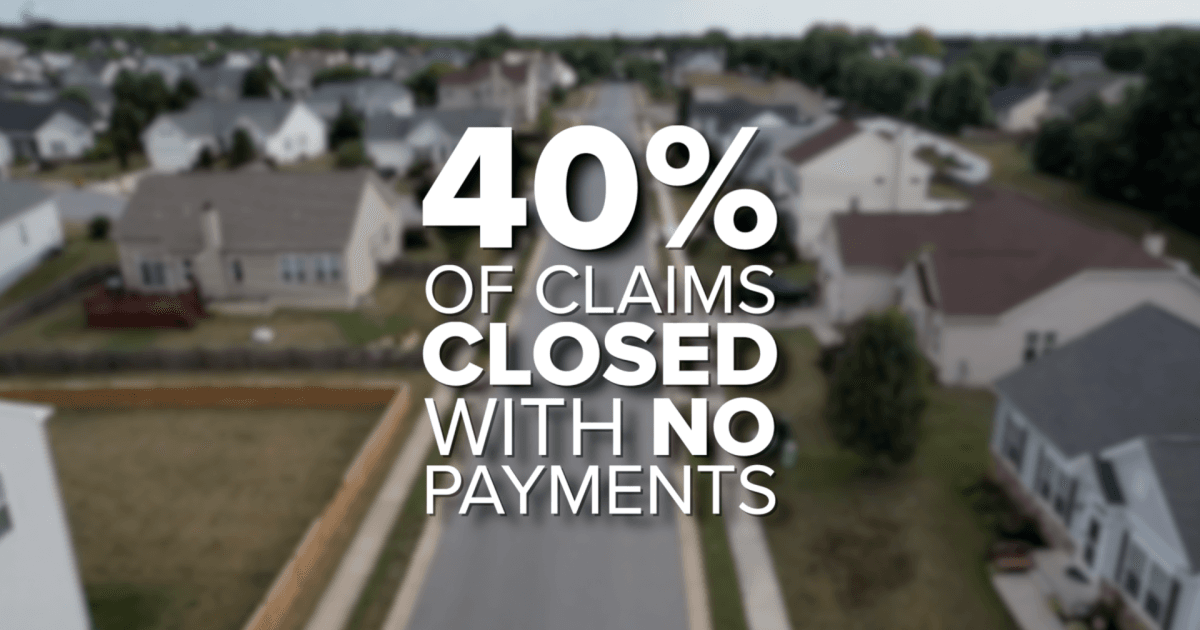
New reporting reveals Florida homeowners now face an average insurance premium of $5,838 per year — nearly triple the national average. With skyrocketing rates, denied claims, and mounting non-renewals, residents are being pushed to tough financial decisions while lawmakers scramble to implement reforms. From retirees skipping coverage to families battling insurers for fair payouts, Florida’s insurance crisis is reshaping both the housing market and the daily lives of homeowners statewide.