Farmers Insurance Reopens California’s Doors — But With a Price Tag

Farmers insurance logo on smartphone

In a bold move shaking up California’s ever‑shifting home‑insurance landscape, Farmers Insurance Group is officially lifting its cap on new homeowner policies across the state. But this long‑awaited pivot comes with a notable twist: a proposed 6.99% rate increase now awaiting regulatory approval.

For nearly two years, Farmers restricted itself to just 9,500 new policies per month — a cap fueled by wildfire exposure and tightening regulations. Now, as California’s second‑largest home insurer, the company is signaling a cautious yet meaningful shift in its statewide strategy.

A Turning Point — Or a Countdown?

Behram Dinshaw, Farmers’ president of personal lines, shared that the company is “doubling down” on its commitment to California homeowners. Regulators echo this sentiment, suggesting that stability may finally be returning to the state’s volatile insurance market.

“This marks a major turning point,” said Insurance Commissioner Ricardo Lara. “Consumers, homeowners, nonprofits, and small businesses are going to be able to get coverage on their own terms.”

This major policy reversal stems from California’s revamped Sustainable Insurance Strategy, granting insurers greater flexibility to raise rates in accordance with wildfire and climate‑driven risks. In return, carriers are expected to increase availability in the state’s most vulnerable, fire‑prone communities.

Consumer Advocates Sound the Alarm

Despite insurer optimism, consumer groups argue the reforms leave too many gaps — especially for homeowners in wildfire zones who already face scarce and expensive insurance options.

Critics point to perceived “loopholes” that may allow insurers to sidestep coverage obligations in certain high‑risk areas. They warn that rate hikes could continue climbing, further squeezing homeowners.

“Carrots do not work with insurance companies,” said Consumer Watchdog President Jamie Court. “California’s insurance companies need sticks.”

The Insurance Department swiftly disputed these claims, accusing Consumer Watchdog of spreading misleading interpretations — highlighting just how heated the debate has become.

What 2025 Has in Store for Homeowners

Should regulators approve the rate hike, homeowners may see an average increase of about 7%. Some households, however, could experience significantly higher premiums. Farmers — currently holding close to 14% of California’s homeowner market — expects to issue “several thousand” new policies next year in high‑risk zones.

Meanwhile, the state‑run FAIR Plan has grown to more than 625,000 policies, underscoring the fragile private‑market environment regulators are hoping to stabilize.

Why This Matters for Insurance Professionals

Whether you’re working in insurance, real estate, mortgage, or property risk analysis, these reforms will influence the availability, pricing, and structure of coverage options. Professionals entering or expanding within the industry should track how California’s changes ripple into other climate‑affected states.

And if you’re considering boosting your expertise in these high‑demand markets, quality education is essential. Institutions like Cameron Academy offer accessible, career‑focused licensing and continuing education programs across insurance, real estate, and multiple other fields — helping professionals stay competitive in a rapidly evolving marketplace.

Source: Mercury News

More Articles

Getting licensed or staying ahead in your career can be a journey—but it doesn’t have to be overwhelming. Grab your favorite coffee or tea, take a moment to relax, and browse through our articles. Whether you’re just starting out or renewing your expertise, we’ve got tips, insights, and advice to keep you moving forward. Here’s to your success—one sip and one step at a time!

The Mark Tampa Breaks Ground on 800‑Bed Luxury Student Housing Near USF

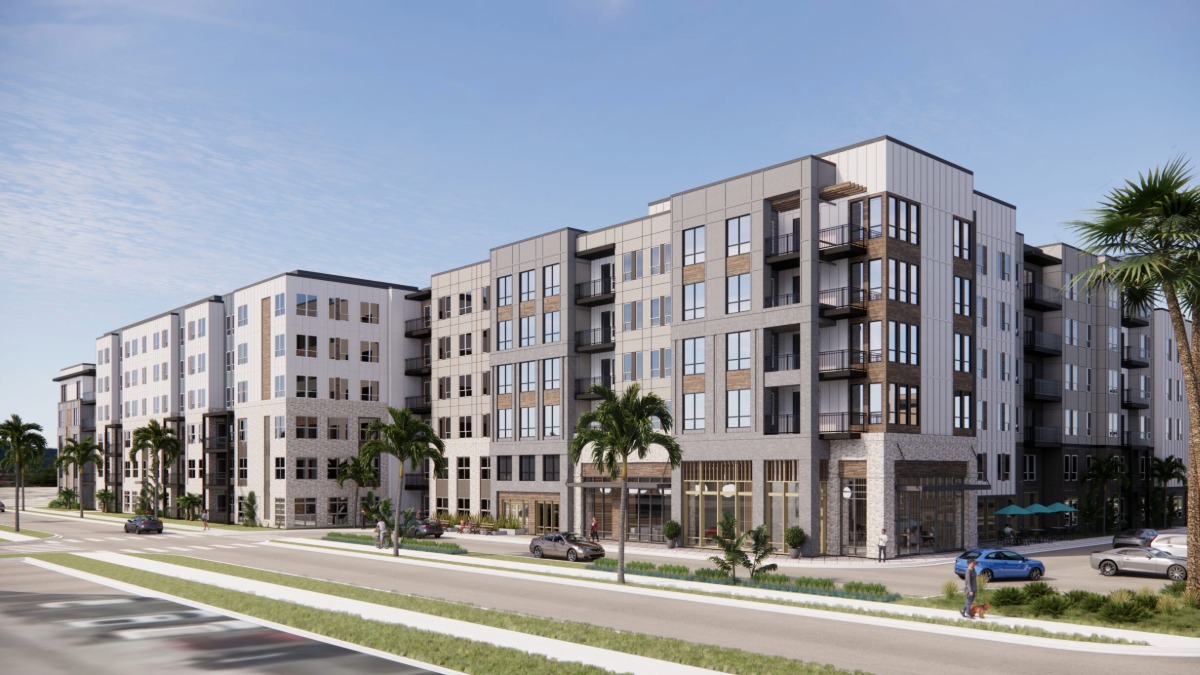
Landmark Properties has officially begun construction on The Mark Tampa, a six‑story luxury student community featuring over 800 beds, rooftop amenities, study spaces, retail, and modern unit layouts. Set to open before the 2027–2028 school year, the project signals strong investor confidence in North Tampa’s booming student housing market.

Florida’s Insurance Costs Erupt Into a 2026 Election Flashpoint

Florida’s property and auto insurance crisis is intensifying, setting the stage for a major political showdown ahead of the 2026 elections. Republicans argue recent reforms are finally stabilizing the market, while Democrats insist families are being crushed by soaring premiums and can’t wait for relief. With homeowners, condo associations, and insurers all feeling the pressure, lawmakers are preparing for one of the most consequential legislative battles in years.

A December Fed Cut Could Be Coming — But Don’t Expect Mortgage Rates to Drop

Markets are betting heavily on a Federal Reserve rate cut in December, but that doesn’t guarantee lower mortgage rates. Even with an 85% chance of a cut priced in, mortgage rates move more with the 10‑year Treasury than the Fed itself — and recent history shows rates can rise even when the Fed eases. Today’s 6.43% average rate is the lowest in over a year, but still unpredictable, making financial readiness more important than trying to time the market.

Grand Junction’s Commercial Real Estate Market Surges 36% as New Chains Fuel Regional Growth

Grand Junction is experiencing a powerful commercial real estate upswing, with 151 commercial units closed so far in 2025—a 36% jump from last year. Building permits are also up 23%, signaling expanding development momentum. Brokers say interest from national chains is accelerating the city’s evolution, bringing jobs, investment, and long‑term economic potential to Colorado’s Western Slope.

Nashville Ranks #6 in Emerging Trends in Real Estate 2026 Report

Nashville continues its rise as one of the nation’s most attractive real estate markets, landing the #6 spot in the Emerging Trends in Real Estate 2026 report from PwC and ULI. With strong demographic momentum, business expansion, and a development pipeline drawing national eyes, the city stands out amid shifting economic conditions. The report highlights fast‑growing sectors such as data centers, senior housing, and evolving office dynamics—offering real estate professionals valuable insight into where opportunities are emerging next.

CRE This Week: The Key Trends Reshaping Canada’s Commercial Real Estate Market in 2025

Canada’s commercial real estate sector continues to evolve rapidly, with new data revealing major transactions, shifting investment patterns, and emerging economic signals across the country. From resilient retail spending to cooling construction and regional standouts like Montreal and the Prairies, this week’s CRE pulse—powered by Altus Group’s research team—gives real estate, mortgage, and finance professionals a sharp snapshot of the market forces to watch as 2025 winds down.