Fed Holds Interest Rates Steady: What It Means for Mortgages, Debt, and Your 2026 Financial Outlook
The Federal Reserve kicked off 2026 with a familiar refrain: interest rates are holding steady. After months of political pressure from President Donald Trump, sticky inflation concerns, and a cooling labor market, the Fed once again refused to budge. For millions of Americans balancing high interest payments, this decision feels less like stability and more like a prolonged pause.
Financial analyst Stephen Kates summed it up simply: “There is no shortage of confusing narratives.” And in a financial world where consumers are watching every dollar, clarity has never mattered more.
How the Fed’s Decision Affects Your Wallet
While everyday consumers don’t directly pay the federal funds rate, its influence ripples across nearly every financial product. Short‑term rates on credit cards follow the prime rate closely, while long‑term loans such as mortgages hinge on inflation and big‑picture economic signals.
Mortgage Rates: Affordability Still a Challenge
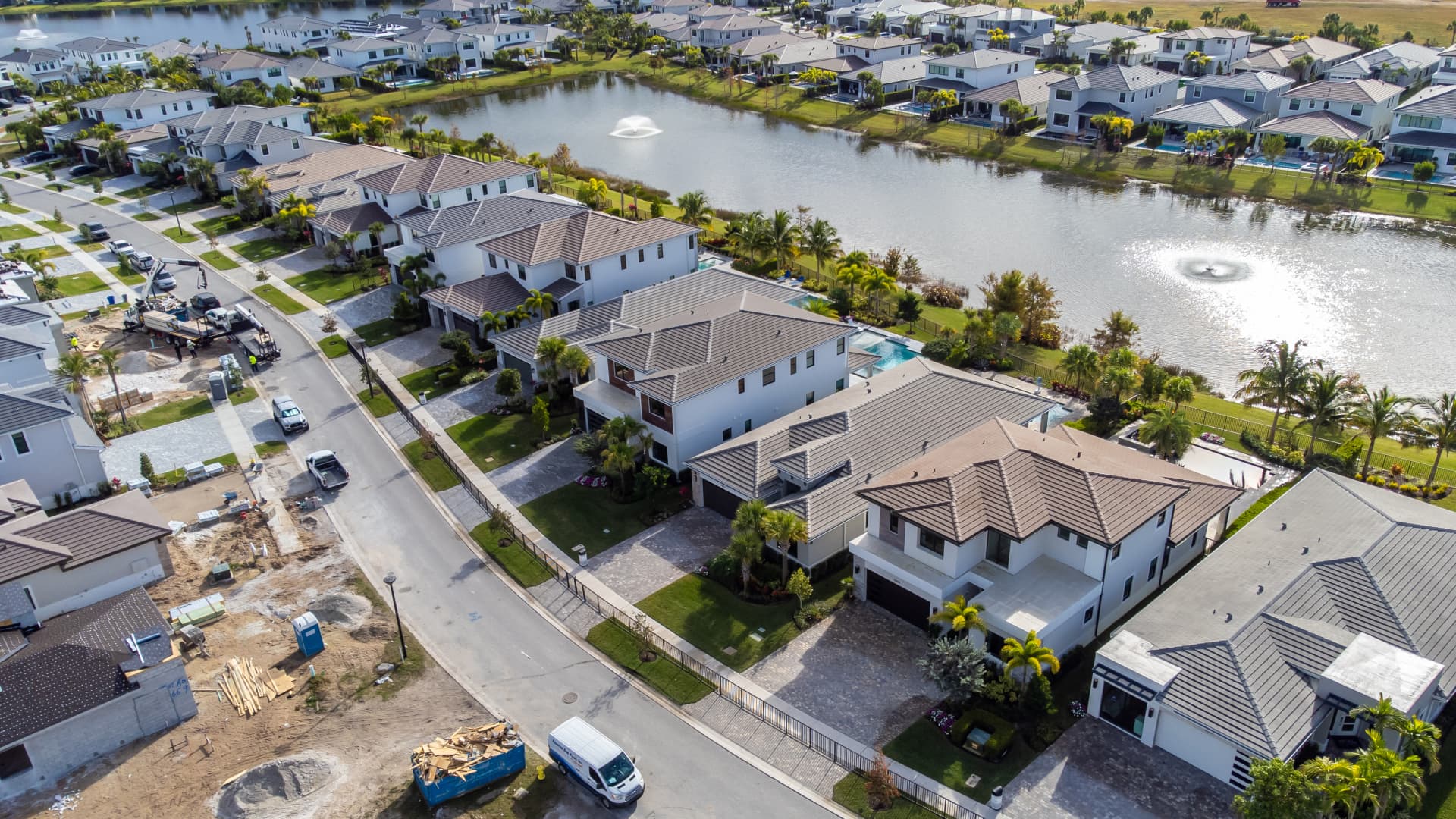
Homebuyers are still waiting for meaningful relief. Mortgage rates don’t move with the Fed step‑for‑step; they respond to long‑term Treasury trends. And until incomes, housing prices, or borrowing costs shift more substantially, housing affordability will remain “historically strained”, according to Realtor.com analyst Hannah Jones.
The recent dip to an average 6.15% for a 30‑year fixed mortgage — following President Trump’s directive for Fannie Mae and Freddie Mac to purchase $200 billion in mortgage‑backed bonds — offered a brief spark of optimism. But compared to the 7% range seen a year earlier, the improvement isn’t enough to unlock today’s tight housing market.
For Florida real estate professionals and mortgage specialists, understanding these rate cycles is essential. It’s exactly the type of real‑world insight Cameron Academy builds into its industry‑leading licensing and continuing education programs.
Credit Cards: Rates Are Easing… Slowly
Most credit cards come with variable rates, meaning their APRs are tied directly to Fed policy. After several Fed cuts in late 2025, credit card APRs fell to an average of 23.79% — the lowest in nearly three years.
The shift is positive, but balances remain expensive. Consumers should expect gradual improvement, but nothing dramatic enough to erase the ongoing crunch.
Auto Loans: Prices Keep Rising, Not Just Rates
Even as auto loan rates trend slightly downward, vehicle prices continue climbing. The average financed amount rose to a record high, pushing more borrowers into “underwater” territory — owing more than the car is worth.
Analysts warn that steady Fed policy won’t change this trajectory soon, especially with tariffs on foreign vehicle parts adding cost pressure.
Savings Accounts: A Rare Bright Spot
Amid the financial turbulence, savings accounts are finally offering attractive returns between 3% and 3.5%. For the first time in years, savings rates are higher than inflation. However, the national savings rate recently dropped to 3.5% — the lowest since 2022 — signaling that living expenses continue outpacing income growth.
As markets evolve throughout 2026, staying informed is essential for professionals in real estate, mortgage lending, finance, and related fields. Cameron Academy remains committed to helping industry experts and newcomers stay ahead with clear, modern, and expertly crafted education.
Getting licensed or staying ahead in your career can be a journey—but it doesn’t have to be overwhelming. Grab your favorite coffee or tea, take a moment to relax, and browse through our articles. Whether you’re just starting out or renewing your expertise, we’ve got tips, insights, and advice to keep you moving forward. Here’s to your success—one sip and one step at a time!
Commercial real estate is entering its most transformative era yet. In 2026, success hinges on mastering predictive analytics, smart‑building automation, and sustainability tech—tools that now determine everything from ROI forecasting to tenant retention. As PropTech evolves into an interconnected ecosystem of AI, automation, and ESG‑driven systems, CRE professionals who embrace this shift will lead the next generation of market innovation, while those who rely on traditional instincts risk being left behind.
Florida lawmakers are pushing major reforms that could dramatically change life for more than 800,000 mobile home park residents. New bills would force park owners to justify rent increases, expand relocation assistance, strengthen tenant rights, and add penalties for reducing amenities without lowering rent. With many residents facing steep price jumps on fixed incomes, the proposed laws mark one of the state’s biggest moves toward accountability and transparency in decades — and real estate professionals will need to stay informed as the changes progress.
Refinance activity exploded for a second straight week as mortgage rates briefly dipped to their lowest levels since late 2024. Homeowners rushed to lock in savings, pushing refinance applications to nearly triple last year’s volume. But the momentum may be short‑lived. Early this week, rates spiked again as markets reacted to new tariff concerns and global uncertainty, erasing much of the recent progress. Both refinance and purchase demand remain strong, but volatility continues to challenge borrowers and professionals across the real estate and mortgage sectors.
The real estate industry has officially entered its AI era, with agents across the country adopting advanced tools that streamline workflow, boost productivity, and transform daily operations. According to a new HousingWire report, tasks that once took hours now take minutes, agents are seeing up to 40 percent productivity growth, and unified AI platforms are helping brokerages deliver faster, smarter, and more personalized marketing than ever before.
Hawai‘i enters 2026 with a mix of strength and vulnerability. Construction is booming with billions in federal and military projects, yet tourism—the backbone of the local economy—is slowing at a difficult moment. Real estate shows early signs of revival as mortgage rates fall, while health care, small business, and banking navigate shifting federal funding and economic uncertainty. For professionals across real estate, finance, construction, and other licensed industries, Hawai‘i offers a clear preview of the economic pressures and emerging opportunities taking shape nationwide.
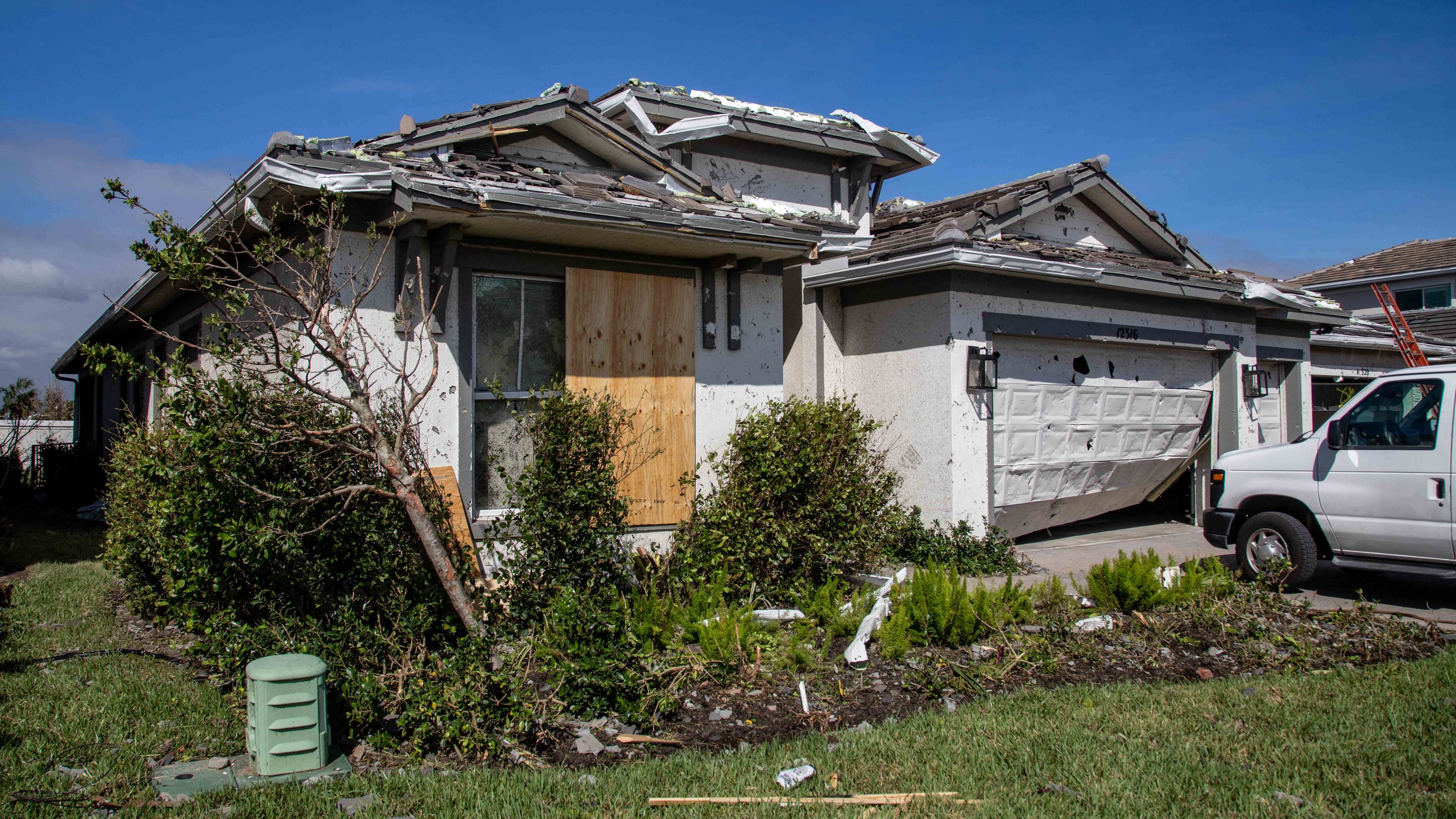
Florida’s property insurance market is stabilizing after years of turmoil, but lawmakers say the job isn’t done. New proposals target profit‑sharing oversight, premium transparency, and a statewide claim‑free discount program—offering potential relief for homeowners and key insights for real estate and mortgage professionals navigating the shifting landscape.