Fed Holds Interest Rates Steady: What It Means for Mortgages, Debt, and Your 2026 Financial Outlook
The Federal Reserve kicked off 2026 with a familiar refrain: interest rates are holding steady. After months of political pressure from President Donald Trump, sticky inflation concerns, and a cooling labor market, the Fed once again refused to budge. For millions of Americans balancing high interest payments, this decision feels less like stability and more like a prolonged pause.
Financial analyst Stephen Kates summed it up simply: “There is no shortage of confusing narratives.” And in a financial world where consumers are watching every dollar, clarity has never mattered more.
How the Fed’s Decision Affects Your Wallet
While everyday consumers don’t directly pay the federal funds rate, its influence ripples across nearly every financial product. Short‑term rates on credit cards follow the prime rate closely, while long‑term loans such as mortgages hinge on inflation and big‑picture economic signals.
Mortgage Rates: Affordability Still a Challenge
Homebuyers are still waiting for meaningful relief. Mortgage rates don’t move with the Fed step‑for‑step; they respond to long‑term Treasury trends. And until incomes, housing prices, or borrowing costs shift more substantially, housing affordability will remain “historically strained”, according to Realtor.com analyst Hannah Jones.
The recent dip to an average 6.15% for a 30‑year fixed mortgage — following President Trump’s directive for Fannie Mae and Freddie Mac to purchase $200 billion in mortgage‑backed bonds — offered a brief spark of optimism. But compared to the 7% range seen a year earlier, the improvement isn’t enough to unlock today’s tight housing market.
For Florida real estate professionals and mortgage specialists, understanding these rate cycles is essential. It’s exactly the type of real‑world insight Cameron Academy builds into its industry‑leading licensing and continuing education programs.
Credit Cards: Rates Are Easing… Slowly
Most credit cards come with variable rates, meaning their APRs are tied directly to Fed policy. After several Fed cuts in late 2025, credit card APRs fell to an average of 23.79% — the lowest in nearly three years.
The shift is positive, but balances remain expensive. Consumers should expect gradual improvement, but nothing dramatic enough to erase the ongoing crunch.
Auto Loans: Prices Keep Rising, Not Just Rates
Even as auto loan rates trend slightly downward, vehicle prices continue climbing. The average financed amount rose to a record high, pushing more borrowers into “underwater” territory — owing more than the car is worth.
Analysts warn that steady Fed policy won’t change this trajectory soon, especially with tariffs on foreign vehicle parts adding cost pressure.
Savings Accounts: A Rare Bright Spot
Amid the financial turbulence, savings accounts are finally offering attractive returns between 3% and 3.5%. For the first time in years, savings rates are higher than inflation. However, the national savings rate recently dropped to 3.5% — the lowest since 2022 — signaling that living expenses continue outpacing income growth.
As markets evolve throughout 2026, staying informed is essential for professionals in real estate, mortgage lending, finance, and related fields. Cameron Academy remains committed to helping industry experts and newcomers stay ahead with clear, modern, and expertly crafted education.
Getting licensed or staying ahead in your career can be a journey—but it doesn’t have to be overwhelming. Grab your favorite coffee or tea, take a moment to relax, and browse through our articles. Whether you’re just starting out or renewing your expertise, we’ve got tips, insights, and advice to keep you moving forward. Here’s to your success—one sip and one step at a time!
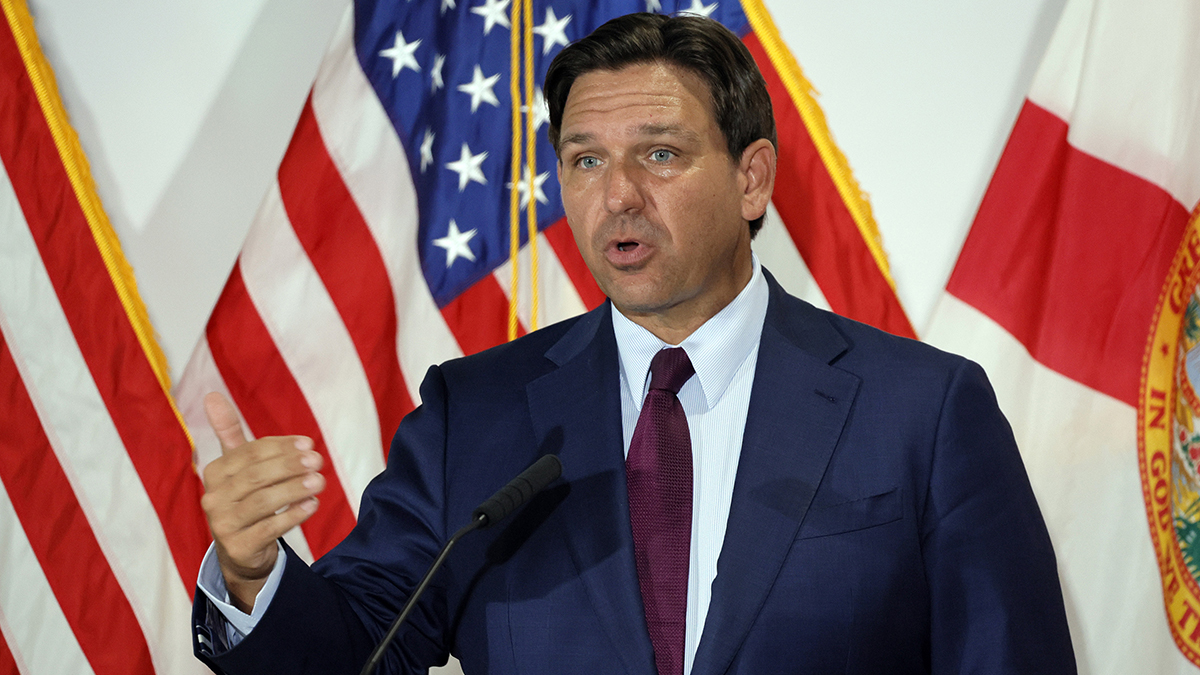
Florida homeowners — especially in hard‑hit South Florida — are set to see rare and substantial reductions in their property insurance premiums. Gov. Ron DeSantis announced an average statewide Citizens Insurance decrease of 8.7%, with even larger savings of up to 14% in counties like Miami-Dade, Broward, and Palm Beach. State officials credit recent legal and regulatory reforms for stabilizing the market, attracting new insurers, and delivering the first meaningful rate relief Floridians have seen in years.
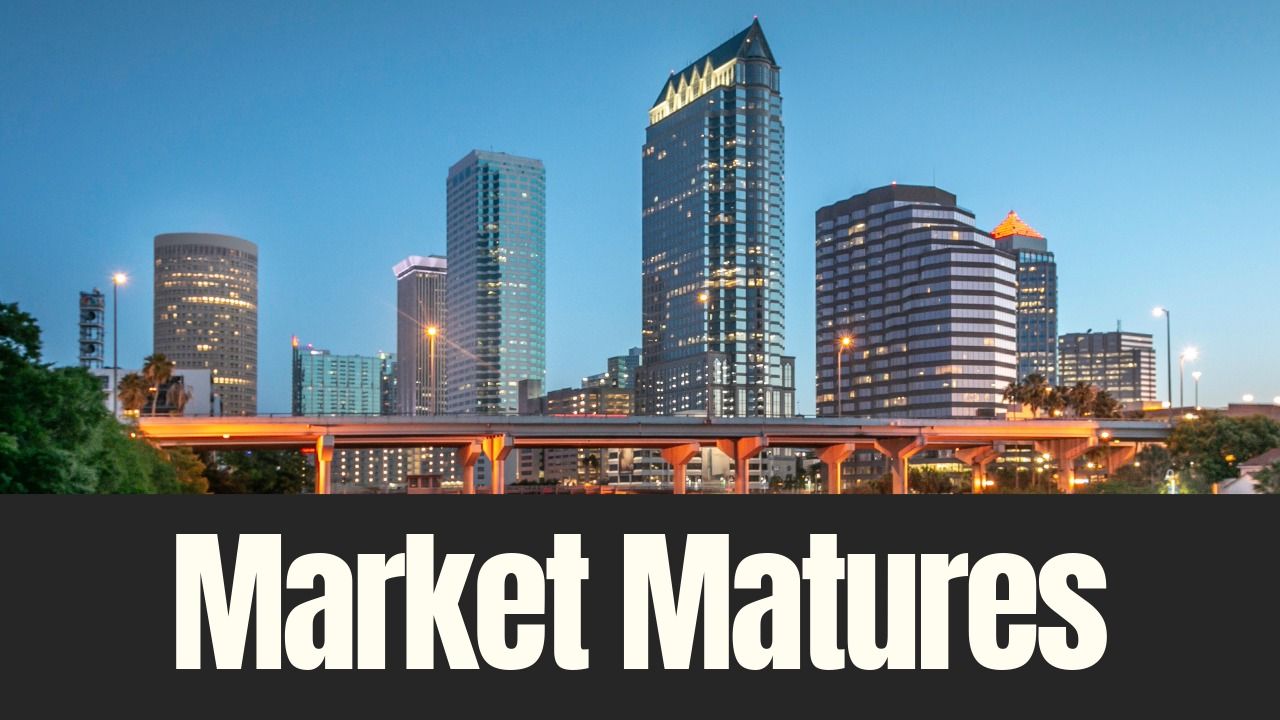
Tampa’s commercial real estate market isn’t slowing—it’s maturing. With strong population growth, rising office demand, a normalized industrial sector, resurgent retail, and an emerging health‑care real estate boom, investors are shifting from speed to strategy. Tighter underwriting, cautious capital and increased due‑diligence are shaping a more disciplined market, creating new opportunities for informed professionals.
Florida homeowners are finally seeing relief as Citizens Property Insurance announces a major 8.7% average rate decrease—far larger than originally proposed. Driven by legislative reforms, fewer lawsuits, and a calm hurricane season, the state’s once‑unstable insurance market is showing real signs of recovery. But with reduced coverage limits and shifting legal protections, experts warn that lower premiums may come with hidden trade‑offs.
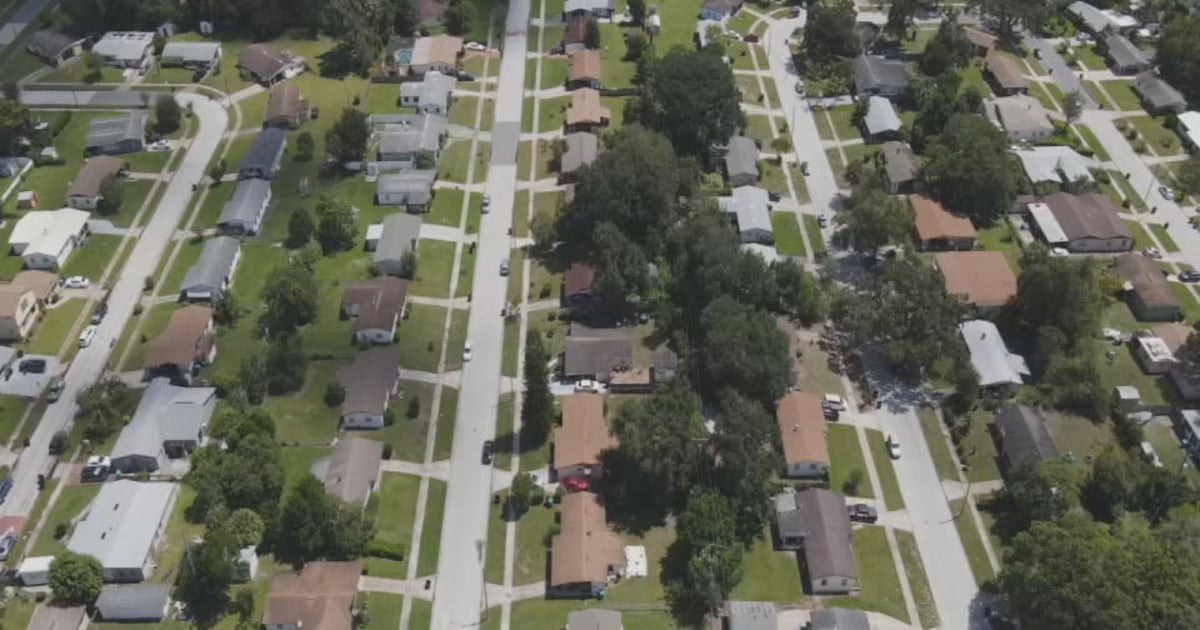
After a decade of rising premiums and retreating carriers, Florida homeowners are finally seeing long‑awaited relief. Dozens of insurers have filed for rate decreases—some as high as 11%—thanks to legislative reforms and a stabilizing market. Early approvals are already hitting counties across the state, and experts say the momentum could boost buyer confidence, affordability, and competition throughout Florida’s real estate and insurance sectors.
After years of slowed activity caused by rising interest rates, the self‑storage industry is heating up again. New data from Marcus & Millichap shows a fresh market cycle emerging, driven by renewed buyer confidence, recalibrated pricing, and stronger lender participation. Acquisitions are rebounding, development is resetting in a healthier direction, and financing conditions are improving—creating one of the most promising investment landscapes the sector has seen in years.
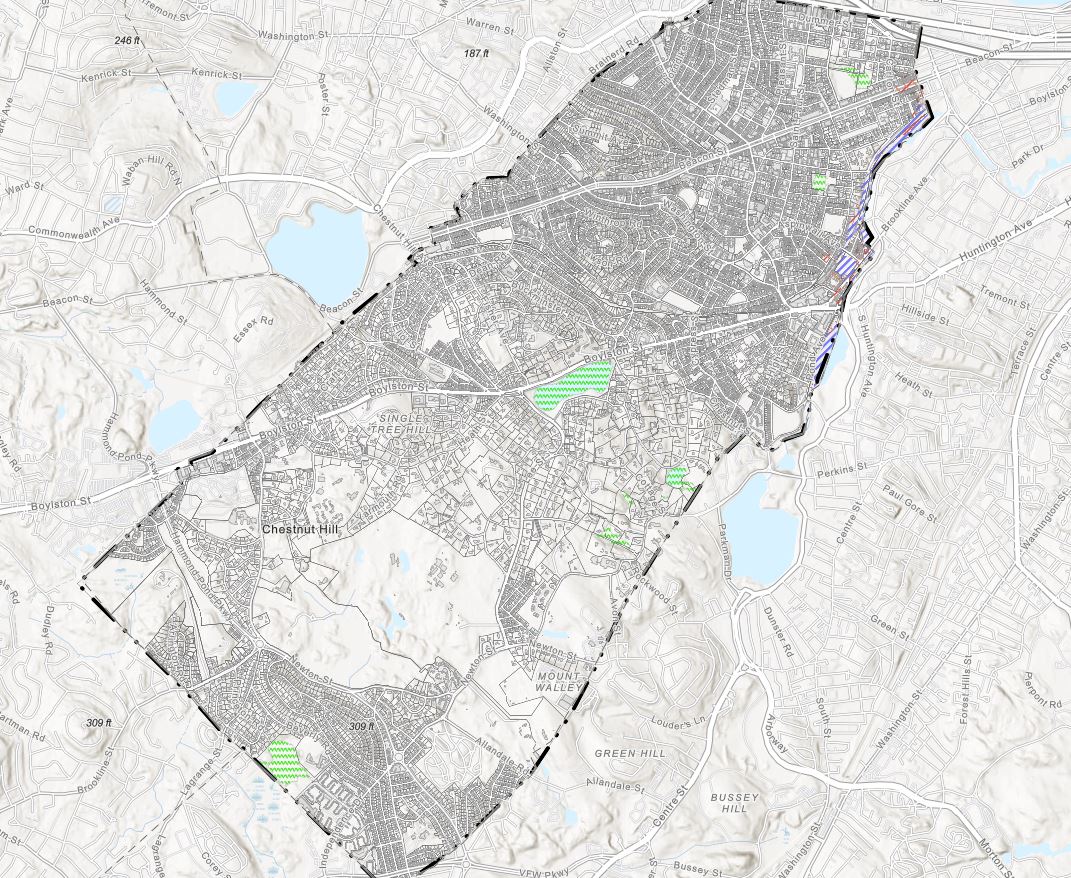
Brookline’s newly updated FEMA flood maps identify 97 high‑risk parcels, but local experts warn the true threat is far greater. While FEMA highlights river‑based flooding around Leverett Pond and the Muddy River, alternative models show more than 1,300 Brookline properties at risk within 30 years. Hidden vulnerabilities along major corridors like Beacon Street, rising rainfall intensity, aging infrastructure, and climate‑driven storm patterns suggest that many “low‑risk” areas may be anything but safe.