Understanding the Fed’s Recent Rate Cut and Its Impact on Stocks


The Federal Open Market Committee’s (FOMC) recent decision to lower its benchmark interest rate by 0.25% to a range of 4.25% to 4.50% is a strategic move aimed at stabilizing inflation around 2%. This adjustment follows previous cuts, indicating a cautious approach by the Federal Reserve amidst fluctuating inflation rates that recently rose to 2.7% in November.
Fed rate cut image
Investors are closely monitoring these developments, given the complex relationship between interest rate changes and stock market performance. Historically, falling rates have tended to boost stock prices, as they often signal higher future earnings and encourage business expansion through cheaper borrowing.
However, the context of these rate cuts is crucial. If reductions occur in response to slowing inflation, the outcome is typically favorable for growth. Conversely, if they are prompted by economic uncertainty, reactions can be mixed, with cautious investment strategies potentially prevailing.

Key Sectors Poised for Growth


Certain sectors are expected to benefit significantly from the rate cuts. Automotive, apparel, and retail industries are among those likely to see gains. Additionally, real estate investment trusts (REITs), particularly mortgage REITs, could thrive as rates continue to fall into 2024, offering attractive investment opportunities.
As investors navigate these changes, maintaining a long-term focus is advisable. Rather than making reactive shifts, a diversified portfolio with periodic reviews may offer the best strategy, ensuring minimal disruptions and maximizing growth potential in a fluctuating rate environment.
For more insights, visit the original article on Yahoo Finance.

More Articles

Getting licensed or staying ahead in your career can be a journey—but it doesn’t have to be overwhelming. Grab your favorite coffee or tea, take a moment to relax, and browse through our articles. Whether you’re just starting out or renewing your expertise, we’ve got tips, insights, and advice to keep you moving forward. Here’s to your success—one sip and one step at a time!

Artificial Intelligence in Diagnostics: A Revolution in Healthcare

The global market for artificial intelligence in diagnostics is poised for remarkable growth, with projections estimating it to reach USD 7.3 billion by 2032.

By |December 10, 2024|Categories: Article, Artificial Intelligence, Healthcare|Tags: , |0 Comments

Revolutionizing Medical Education with Extended Reality

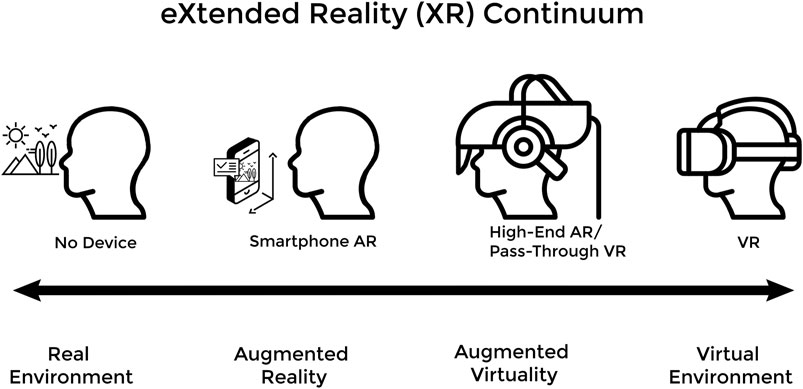
In the ever-evolving landscape of medical education, a new player has emerged, promising to revolutionize the way future doctors are trained. The integration of eXtended Reality (XR) technologies is reshaping the educational landscape by addressing the limitations of traditional methods.

Genetic Testing: A New Dawn in Healthcare

Genetic testing represents more than just a scientific advancement; it signifies a fundamental shift in how we approach health and wellness.

Sustainable Architecture: Blending Innovation with Ecological Responsibility

The journey toward sustainable architecture is ongoing, with each project serving as a beacon of what's achievable when creativity meets ecological awareness.

By |December 9, 2024|Categories: Architecture, Article, Sustainability|Tags: |0 Comments

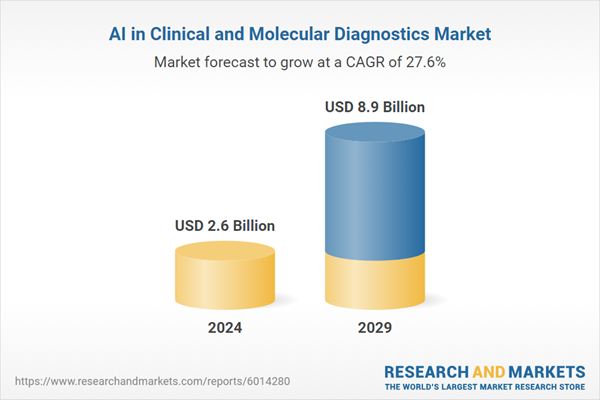
AI in Clinical and Molecular Diagnostics: A Market on the Rise

AI in Clinical and Molecular Diagnostics Market is set to experience remarkable growth, projected to surge from USD 2.6 billion in 2024 to USD 8.9 billion by 2029. This growth is driven by the integration of advanced AI technologies such as machine learning and deep learning into traditional diagnostic methodologies like imaging, genomics, and laboratory testing.

AI: A Revolution in Healthcare’s Future

AI is not a distant dream but a present reality, already integrated into everyday life through virtual assistants like Alexa and Siri. AI shows promise in enhancing medical accuracy, such as in predicting mesothelioma survival and improving colonoscopy accuracy, it is not intended to replace healthcare professionals.