Fed Survey Signals Only Two More Rate Cuts Ahead — Even Under Trump’s Next Fed Chair
In a financial climate full of uncertainty and political change, a new CNBC Fed Survey delivers a remarkably steady prediction: only two more interest rate cuts are expected this year — with none forecasted for 2027.
This outlook stays consistent regardless of who President Donald Trump selects as the next Federal Reserve chair. Even if he chooses someone aligned with his push for extremely low rates, economists overwhelmingly believe the Fed won’t pursue cuts down to the president’s desired 1% range — which would effectively mean negative real rates.
Source spotlight: Insight provided by CNBC’s Fed Survey, one of the most trusted and influential economic surveys in the U.S.
Why Markets Expect Rates to Stay Higher
Economic growth remains too strong for aggressive cuts. Forecasts put GDP at 2.4% this year and 2.2% next year — solidly above the Fed’s typical expectations. Unemployment is projected to hover around 4.5%.
Inflation looks steady as well. CPI is expected to end 2026 at 2.7%, easing slightly to 2.5% the following year — aligning closely with the Fed’s preferred zone.
Meanwhile, recession fears have cooled significantly. Last year, recession odds sat at 53%. Now they’re down to just 23%, thanks to a strong labor market and resilient corporate earnings.
Tariffs: Mostly Behind Us… but Still Dragging
Although Trump’s tariffs continue to spark debate, 58% of surveyed experts believe the worst of the economic hit is already behind us. Still, tariffs are expected to keep inflation about 0.3% higher and pressure profit margins in sectors like retail.
But there’s optimism: AI-driven investment and new tax incentives could give businesses the boost they need. More than two-thirds of respondents expect stronger business investment in 2026 than in 2025.
The Productivity Boom Changing Everything
Economist Allen Sinai describes the current productivity trend as “a 1990s‑like picture,” driven by early-stage AI adoption. Higher productivity is supporting stronger earnings, stable inflation, and a durable labor market.
Expert insight: “A sustained and sustainable productivity boom is driving a surprisingly strong and solid expansion,” says Sinai of Decision Economics.
Risks Still Linger — Especially Political Ones
Survey respondents cite political uncertainty surrounding Trump administration policies as the top risk. Other concerns include:
Potential AI-driven market bubbles
Threats to Federal Reserve independence
High inflation flare-ups
Renewed tariff waves
Geopolitical instability
As Diane Swonk of KPMG warns, “Policy uncertainty acts as a tax on the economy. It causes paralysis.”
Who Will Be the Next Fed Chair?
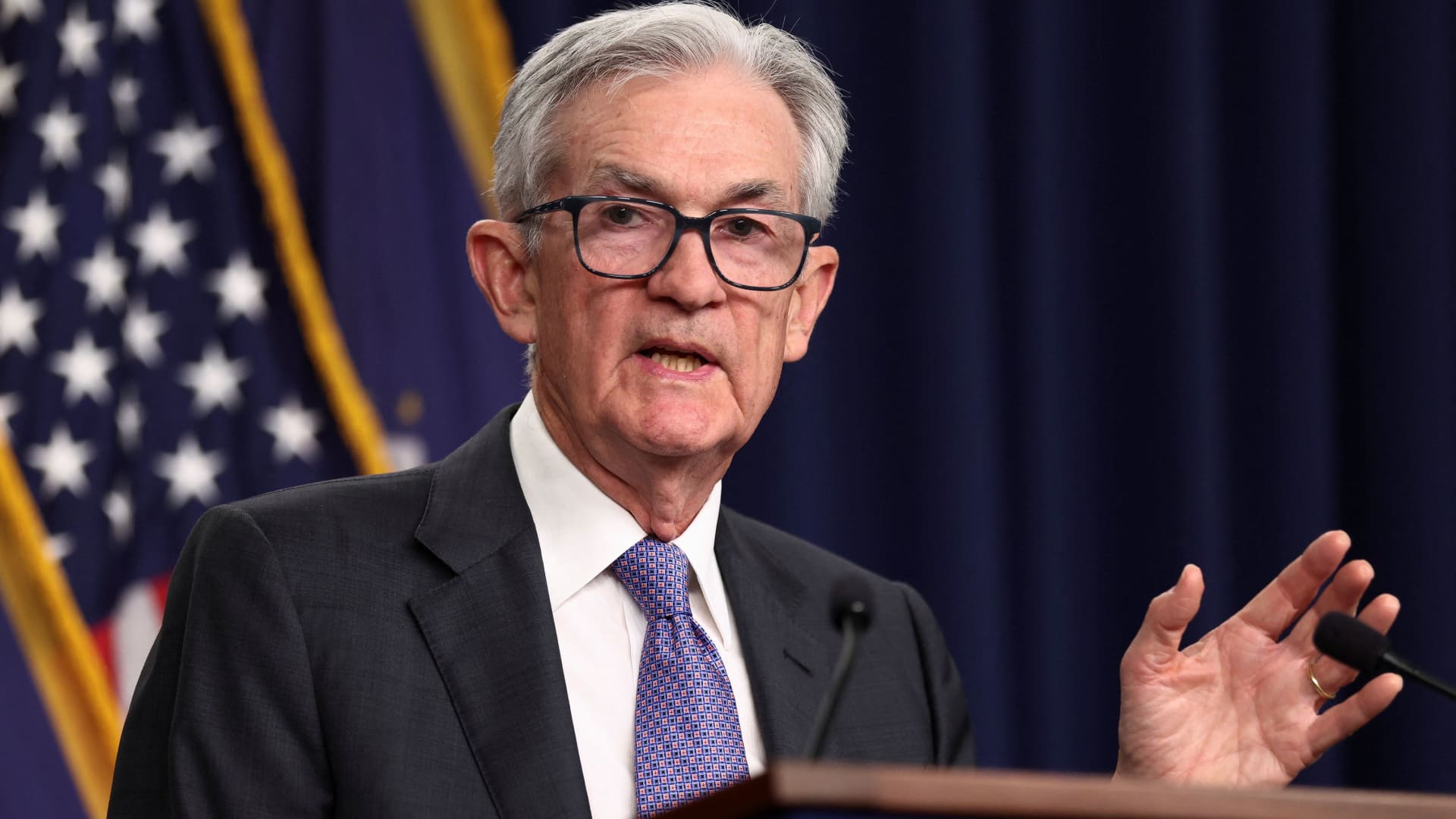
Markets currently favor Rick Rieder, but 50% of survey respondents expect Trump to choose former Fed Governor Kevin Warsh instead. Warsh is considered somewhat more dovish than Jerome Powell, yet still likely committed to maintaining Fed independence.
Many economists also believe the Federal Open Market Committee will resist extreme policy pushes from any incoming chair — reinforcing confidence in future stability.
What This Means for Real Estate, Mortgage, and Finance Professionals
A rate environment settling near 3% through 2027 could create a stable foundation for homebuyers, investors, and business owners — particularly in booming states like Florida.
For anyone planning to enter or advance in real estate, mortgage, insurance, or other professional licensed industries, staying educated is critical. Cameron Academy continues to be a trusted leader in Florida and beyond, helping new and seasoned professionals stay licensed, competitive, and informed.
As the economy evolves, your knowledge becomes your greatest advantage.
More Articles
Getting licensed or staying ahead in your career can be a journey—but it doesn’t have to be overwhelming. Grab your favorite coffee or tea, take a moment to relax, and browse through our articles. Whether you’re just starting out or renewing your expertise, we’ve got tips, insights, and advice to keep you moving forward. Here’s to your success—one sip and one step at a time!
After years of soaring premiums and insurer instability, Florida’s property insurance market is finally turning a corner. Major carriers have filed 83 requests for rate decreases heading into 2026, with companies like Florida Peninsula and Patriot Select proposing cuts of 8.4% and 11.3%. Some homeowners may see relief as early as next month, signaling a long‑awaited shift toward market stability.
Fix-and-flip investing is gearing up for one of its strongest years in a decade as 2026 approaches. With cheaper capital, more accessible funding, easing interest rates, and long-awaited increases in housing inventory, investors are finding the perfect environment to launch or scale renovation-based real estate businesses. Renovation continues to outpace new construction in cost and speed, and demand for move-in-ready homes remains high, making 2026 a powerful opportunity window for both new and experienced investors.
After a short-lived period of relief in 2025, the U.S. rental market may be headed for a tighter, more expensive 2026. With construction starts dropping nearly 11% and completions plunging 42%, the surge of new apartments that helped lower rents is rapidly drying up. Rising costs, shrinking inventory, and a slowdown in new development point to a potential rental crunch that could leave renters facing heavier competition and higher prices across major markets next year.
The commercial real estate market is entering a rare reset that experts say mirrors the post‑2008 boom, creating a potential window for disciplined investors. With trillions in commercial debt coming due and property values dropping up to 40%, firms like AARE are positioning themselves to acquire assets below replacement cost—an advantage that could set the stage for significant long‑term growth.
Commercial real estate is entering a reinvention phase, with AI‑driven productivity, modernized office demand, experience‑focused retail, expanding industrial logistics, creative housing solutions, and sustainability‑centered design all accelerating nationwide. These six forces are shaping how investors, brokers, and future licensees will operate in a rapidly evolving U.S. market.
After years of economic uncertainty and cautious decision‑making, 2026 is shaping up to be the year professionals finally catch a break. AI is moving from buzzword to essential tool, capital markets are beginning to thaw, and hiring is picking up across real estate, mortgage, insurance, finance, and healthcare. With opportunity returning, many professionals are using this moment to upskill—pursuing new licenses, certifications, and cross‑industry expertise.