Image of mortgage bankers association urging fed to signal end of rate hikes

Fed Urged by Mortgage Bankers Association to Signal End of Rate Hikes

Financial Markets Seek Certainty Amidst Climbing Mortgage Rates

In the midst of the continued climb of 30-year fixed mortgage rates, the Mortgage Bankers Association (MBA) has issued a call to the Federal Reserve (Fed) to bring much-needed certainty to the financial markets. The MBA believes that the Fed must make clear statements regarding the end of its rate hikes and its intentions with its mortgage-backed securities (MBS) holdings. This article delves into the MBA’s plea and the potential impact on the housing finance market.

Emphasizing the Need for Clear Communication

The MBA, represented by its president and CEO, Bob Broeksmit, has emphasized the urgency of the Fed’s communication. Broeksmit asserts that the Fed needs to clearly state that it has reached the end of its rate hikes and that it will refrain from selling its MBS holdings until the housing finance market stabilizes and mortgage-to-Treasury spreads normalize. These measures, according to Broeksmit, would provide the market with much-needed certainty and reduce volatility for traders and investors.

Addressing the Balance Sheet

The Federal Reserve currently holds approximately $2.6 trillion of MBSs as part of its vast $8 trillion securities portfolio. As part of its strategy to tighten monetary policy, the Fed has allowed up to $60 billion per month in Treasury securities and $35 billion in MBSs to mature and roll off from its holdings. However, the MBA and other housing trade associations are urging the Fed to communicate its plans more effectively in the coming days.

Understanding the Ripple Effect

The MBA has been vocal about the negative consequences of the Fed’s policy choices on the mortgage market and affordable homeownership, particularly for low- and moderate-income homebuyers and minority borrowers. The MBA stresses the importance of the Fed considering the broader impact of its decisions and the need for stability in the housing market.

Image of climbing mortgage rates

Impact of Climbing Rates and Market Uncertainty

The recent rise in mortgage rates, following the Fed’s campaign to combat inflation, has led to 30-year fixed mortgage rates reaching a 23-year high. These rates closely follow the movement of the 10-year Treasury yield, which stood at 4.72% on October 5, 2023, up from 3.76% during the same period in the previous year. Some economists even predict that the 10-year Treasury could reach 5%, potentially resulting in an 8% mortgage rate. This rate instability poses challenges for potential homebuyers, particularly those with lower credit scores.

Looking Beyond Monetary Policy

In addition to the Fed’s policy choices, fiscal policy and political dysfunction have contributed to the recent rate instability. Broeksmit highlights the need for Congress to restore budget discipline and effective policymaking. The ongoing gridlock on Capitol Hill, including the recent near miss of a government shutdown, continues to be a concern for financial markets, further driving up the price of government debt.

Embark on Your Journey Towards Career Success

At Cameron Academy, a nationally recognized career education school with over 20 years of experience, we offer online courses tailored to your specific needs and goals. Our flexible and convenient e-learning platform enables you to gain real-world skills and achieve professional success on your own schedule. Start your journey today and seize a world of opportunities. The secret of getting ahead is getting started.

Explore Our Online Career Education Courses

Discover Our Courses


More Articles

Getting licensed or staying ahead in your career can be a journey—but it doesn’t have to be overwhelming. Grab your favorite coffee or tea, take a moment to relax, and browse through our articles. Whether you’re just starting out or renewing your expertise, we’ve got tips, insights, and advice to keep you moving forward. Here’s to your success—one sip and one step at a time!

The Mortgage Industry’s AI Transformation: Automation Reshapes Lending From Application to Approval

Artificial intelligence is rapidly reshaping the mortgage industry, boosting productivity, reducing manual work, and accelerating loan closings. From automated document data extraction to AI‑generated underwriting narratives and predictive analytics, lenders are using new tools that improve accuracy and drastically speed up processing times. With chatbots, next‑gen point‑of‑sale systems, and end‑to‑end automation, preapprovals that once took days now take minutes. For mortgage and real estate professionals, mastering AI is becoming a major competitive advantage—one that defines who will thrive in the future of lending.

Why Your Insurance Bill Is Rising Even as Florida Rates Go Down

Florida’s property insurance rates are finally starting to drop, but many homeowners are still seeing higher monthly bills. The reason isn’t insurer price hikes—it’s soaring replacement costs driven by construction inflation, labor shortages, and rising home values. Nearly 75 percent of recent premium increases came from higher property values alone. Understanding this gap between “rates” and “premiums” helps homeowners—and real estate and insurance professionals—navigate the shifting Florida market and make smarter coverage decisions.

Milwaukee’s Commercial Real Estate Market Turns a Corner

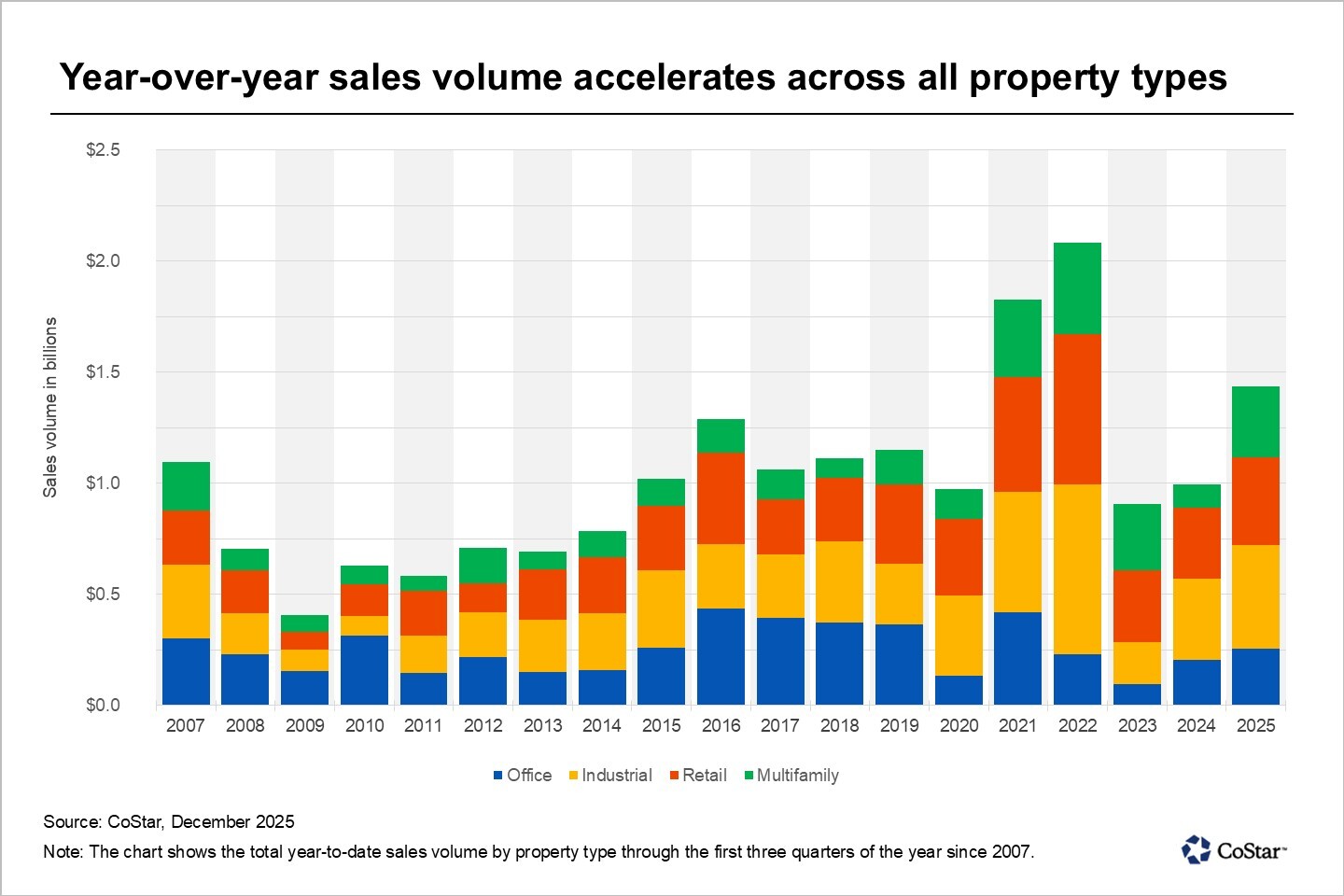
Milwaukee’s commercial real estate market is finally showing real signs of recovery, with 2025 sales volume hitting a three‑year high and investor confidence steadily returning. Driven by selective, fundamentals‑focused buying—favoring strong cash flow, quality assets, and strategic pricing—the city is moving from a period of correction into a healthier, opportunity‑rich phase. For real estate professionals nationwide, Milwaukee’s momentum reflects broader CRE market stabilization and the growing importance of disciplined underwriting and market expertise.

Reverse Mortgage Market Poised for Breakout Growth in 2026

Industry leaders project a major surge in reverse mortgage activity heading into 2026, fueled by rising proprietary products, lender innovation, and strong investor interest. As high interest rates push originators to adopt new strategies, flexible private‑label options, senior‑focused HELOCs, and a wave of big‑capital investment are reshaping the market. With education and policy shifts poised to unlock even more demand, reverse mortgages are entering their most transformative era yet.

The 2026 Housing Market Outlook: Is Better Inventory Finally on the Horizon?

Experts forecast that 2026 may bring long‑awaited relief to homebuyers, with both existing and new home inventory expected to rise. NAR predicts a boost in home sales, a slight drop in mortgage rates, and a modest 4% increase in prices—conditions that could motivate more homeowners to list while builders add over a million new homes to the market. For first‑time buyers, higher loan limits and easing qualification standards may make entering the market more achievable than in recent years.

Lower Interest Rates Signal a Brighter 2026 for South Florida Real Estate

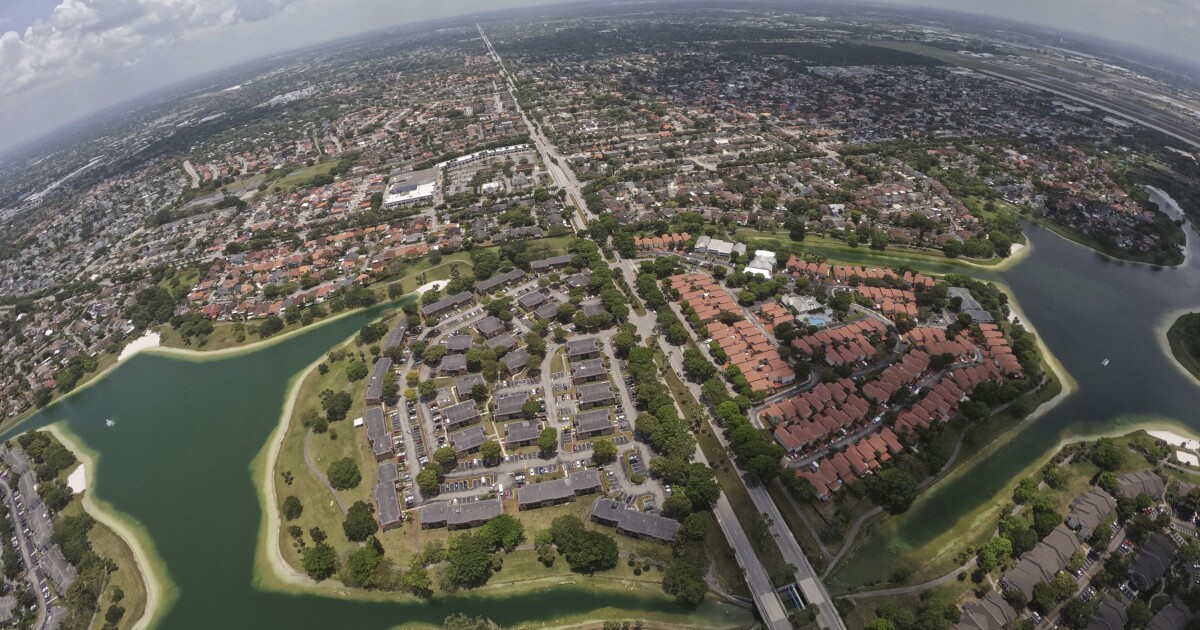
South Florida enters 2026 with renewed optimism as falling mortgage rates, improving buyer confidence, and a strong job market help stabilize a housing landscape that struggled in 2025—especially in the condo sector. While single-family homes remained resilient last year, condos faced price drops, rising fees, and hesitation tied to new safety regulations. With rates projected to fall to around 5.8% by year’s end, buying power is increasing, inventory may loosen, and activity is expected to pick up. Still, affordability challenges persist, Miami’s rental market remains intensely competitive, and the condo sector’s recovery will take time.