Federal Climate Funding Gets Pulled — And Billions in Real Estate Risk Suddenly Spike
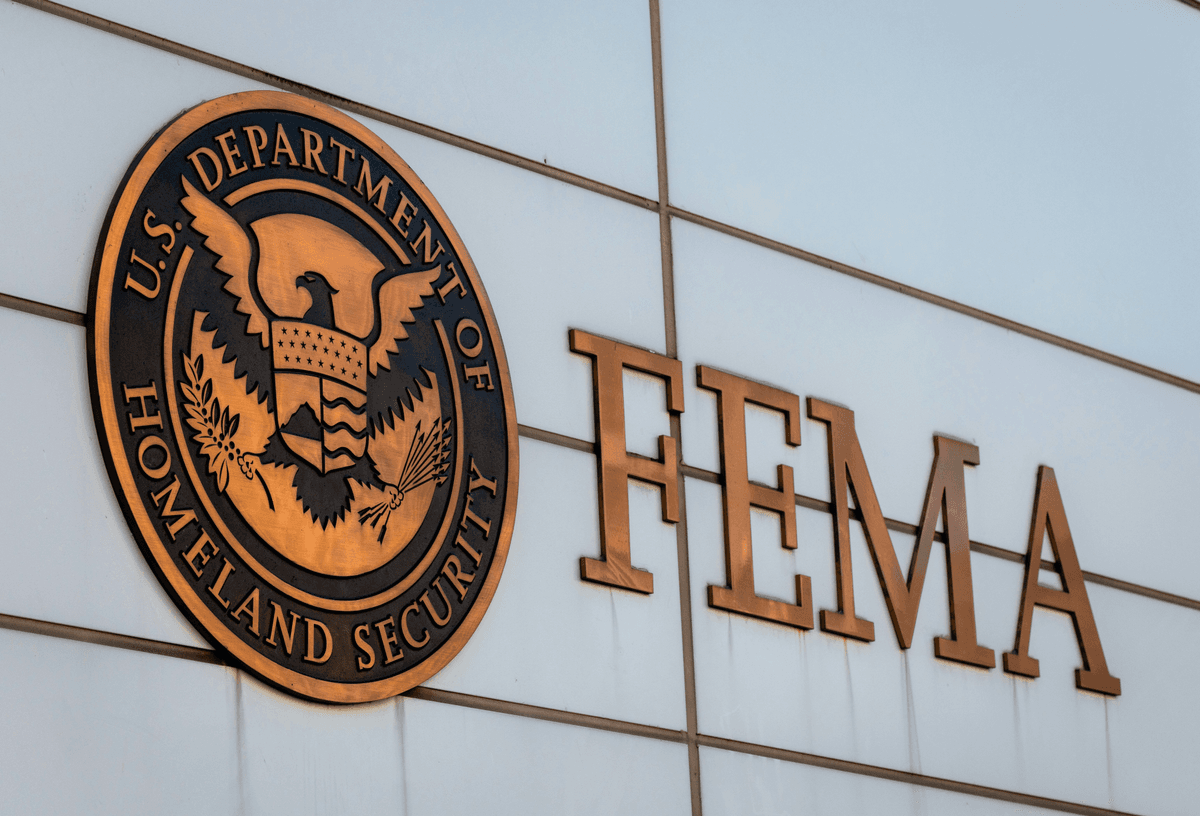
Real estate investors across the U.S. are waking up to a financial shockwave: The federal government has abruptly halted a major FEMA resiliency grant program, creating billions of dollars in unprotected real estate exposure just as extreme weather events intensify nationwide.
For years, the Building Resilient Infrastructure and Communities (BRIC) program helped cities fortify themselves against flooding, wildfires, earthquakes and climate-related threats. But with the program now canceled and nearly a billion dollars in unspent funding being reclaimed, thousands of properties — and the communities surrounding them — are left scrambling.
A Sudden Funding Freeze That Caught Cities Off Guard
“Dozens and dozens of communities… suddenly in a lurch with the gap,” said former FEMA coordinator Victoria Salinas.
Since 2018, BRIC grants covered between 75% and 90% of resiliency project costs. Local governments relied on this support to modernize infrastructure and protect neighborhoods. Now, many are facing half-finished projects — and drastically higher out-of-pocket expenses.
Twenty states have already sued to reverse the shutdown, but for the moment, the burden shifts to local municipalities — and ultimately, to commercial property owners.
Commercial Real Estate Faces Mounting Pressure
NASA reports that severe weather events have doubled since 2024 compared to previous decades. Insurance premiums are rising fast, with projections of an 80% increase by 2030.
Without federal mitigation support, insurance carriers may restrict coverage or exit high-risk markets altogether.
“When exposure increases, there’s volatility… Some underwriters might pull out completely,” said Danielle Lombardo of Howden U.S.
Areas like Florida feel this pressure intensely. Landlords have already endured a 10% year-over-year rise in insurance costs per apartment from 2017 to 2023.
Cities Left Searching for Financial Lifelines
New York has over $224 million in open BRIC projects, plus seven awarded projects now at risk. Its $228.8 million Seaport Coastal Resilience Project — designed to protect 91 buildings — is now uncertain, leaving entire communities vulnerable.
In High Point, North Carolina, an aging sewer system leaks tens of thousands of gallons of wastewater during storms. The city spent millions preparing its BRIC application — and now must start over.
“It’s made us get back to the drawing board,” said Rachel Collins of Business High Point, “but… think on a broader scale of collaboration.”
Creative Financing: Cities Explore New Models
Communities nationwide are experimenting with new funding vehicles such as:
State-issued environmental bonds
Braided funding models combining grants, philanthropy and city capital
Public-private partnerships to distribute resiliency costs
These approaches show promise — but they’re slower, more complex and require tight coordination.
Why This Matters for Real Estate Professionals
Every dollar invested in resilience saves $13 in post-disaster recovery, according to the U.S. Chamber of Commerce. Without federal funding, the responsibility shifts directly to investors, developers and property professionals to understand and manage climate risk.
For those working in real estate, mortgage, insurance or finance, climate literacy is no longer optional — it’s a competitive advantage.
Preparing Professionals for a Changing Market
Cameron Academy equips real estate and licensed professionals with the knowledge needed to navigate today’s rapidly evolving climate and insurance challenges.
Whether you’re starting your career or expanding your credentials, Cameron Academy provides industry-leading education across real estate, mortgage, insurance and other fields — helping you stay informed, adaptable and competitive.
Federal dollars may be disappearing — but the urgency to protect communities, safeguard properties and elevate professional preparedness has never been more critical.
More Articles
Getting licensed or staying ahead in your career can be a journey—but it doesn’t have to be overwhelming. Grab your favorite coffee or tea, take a moment to relax, and browse through our articles. Whether you’re just starting out or renewing your expertise, we’ve got tips, insights, and advice to keep you moving forward. Here’s to your success—one sip and one step at a time!
In a landmark decision, the court has preliminarily approved settlement agreements in the commission lawsuits involving real estate companies RE/MAX and Anywhere Real Estate. The agreements require RE/MAX to pay $55 million and Anywhere Real Estate to pay $83.5 million. As part of the settlements, both companies will implement significant policy and practice changes, including the elimination of the requirement for agents to be members of the National Association of Realtors. This change will provide agents with more flexibility and independence in their business practices. The settlements have far-reaching implications for the real estate industry, fostering a more dynamic and customer-centric real estate market.
The housing market saw a remarkable increase in housing starts and permits in October, pointing to a positive industry trend. This surge suggests a growing demand among Americans for homeownership, prompting builders to respond by ramping up their construction efforts. However, builder confidence has been somewhat dampened by elevated mortgage rates. The housing market's performance varied across different regions in the United States, highlighting the diverse nature of the housing market and the various factors influencing construction trends.
CUSO Home Lending has implemented Dark Matter Technologies' advanced Empower loan origination system, revolutionizing the credit union lending process. The Empower system streamlines loan applications, automates document collection and verification, and facilitates seamless communication between borrowers, loan officers, and underwriters. With robust security measures and full compliance with industry regulations, the system ensures the protection of sensitive information. This move highlights the importance of embracing digital transformation in the lending industry.
United Wholesale Mortgage (UWM), a leading wholesale lender in the mortgage industry, has launched a new initiative offering no-cost appraisals on 1-0 temporary rate buydowns. This strategic move aims to attract more brokers by covering up to $600 of the appraisal cost on all conventional and government-backed home loans. Temporary rate buydowns allow borrowers to pay a lower mortgage rate during the initial period of their loans, making homeownership more affordable. This limited-time opportunity until March 31 provides brokers with a unique value proposition for their clients. Ready to explore the benefits of UWM's temporary rate buydowns and no-cost appraisals? Connect with UWM today.
Mark Willis has made a significant leadership change by returning as the CEO of Keller Williams, a leading player in the real estate industry. This news marks a triumphant comeback for Willis, who previously served as the CEO of Keller Williams from 2005 to 2014. Armed with extensive experience and a proven track record, Willis aims to steer Keller Williams towards continued success and navigate the challenges facing the real estate industry. This article will delve into Willis' career history, the growth of Keller Williams under his leadership, and the current landscape of the real estate market.
A recent lawsuit in Texas has sent shockwaves through the real estate industry, shedding light on alleged collusion among individual brokers, real estate teams, and large corporate brokerages. The lawsuit, filed by the QJ Team and other plaintiffs, accuses these entities of artificially inflating real estate agent commissions. The real estate industry has been rocked by a series of commission lawsuits in recent years, but the QJ Team lawsuit stands out due to its comprehensive list of defendants. The QJ Team lawsuit alleges that the defendants engaged in collusion to artificially inflate real estate agent commissions, thereby restricting competition and harming consumers. The plaintiffs claim that these entities conspired to set and maintain high commission rates, limiting the ability of homebuyers and sellers to negotiate fair prices. If proven true, these allegations could have far-reaching consequences for the real estate industry in Texas.