Federal Housing Shake‑Ups Push States Into the Driver’s Seat
The housing world is shifting fast, and 2026 is shaping up to be a defining year as federal policy changes ripple through every part of the mortgage and real estate sectors. With Washington pulling back, states are stepping forward—fast.
The original reporting from HousingWire reveals how lenders, servicers and housing professionals are adapting to this complex new landscape. And for students and professionals at Cameron Academy—whether your path is real estate, mortgage lending, or finance—these shifts directly shape the compliance and consumer‑protection standards you’ll work within.
Federal Cuts, Local Consequences
At the 2026 Housing Economic Summit, experts made one thing unmistakably clear: federal reduction doesn’t mean reduced complexity.
The Consumer Financial Protection Bureau (CFPB), facing deep staffing cuts under the Trump administration, has scaled back its oversight. But as Courtenay Dunn, senior director of government affairs at Intercontinental Exchange (ICE), emphasizes, lenders still depend heavily on essential federal tools like the Average Prime Offer Rate (APOR).
“Some of the things the CFPB does—they’re not just examinations,” Dunn explained. “APOR is written into Dodd‑Frank and more than 40 statutes across 27+ states.”
The bottom line: when federal rules shift, states must decide whether to align or chart their own paths.
California Takes the Lead
If one state is stepping into the regulatory void with confidence, it’s California. According to Paul Gigliotti, CEO of the California Mortgage Bankers Association, lawmakers there are accelerating consumer‑protection efforts at record pace.
Fueled by Senate Bill 825, California’s DFPI now wields sweeping authority over companies offering financial services. For lenders, that means navigating a complex web of overlapping federal and state rules.
Tap to Explore: Compare California’s DFPI against your state’s lending regulations.
Affordability Reform Gains Bipartisan Momentum
Despite the high‑stakes election cycle, lawmakers on both sides agree: housing affordability can’t wait. Bills like the ROAD to Housing Act and the Housing for the 21st Century Act seek to increase supply, reduce pressure, and support long‑term affordability.
Still, industry experts warn that balancing consumer protection with affordability is essential—especially for first‑time buyers navigating a volatile market.
AI Regulations: Federal Unity vs. State Innovation
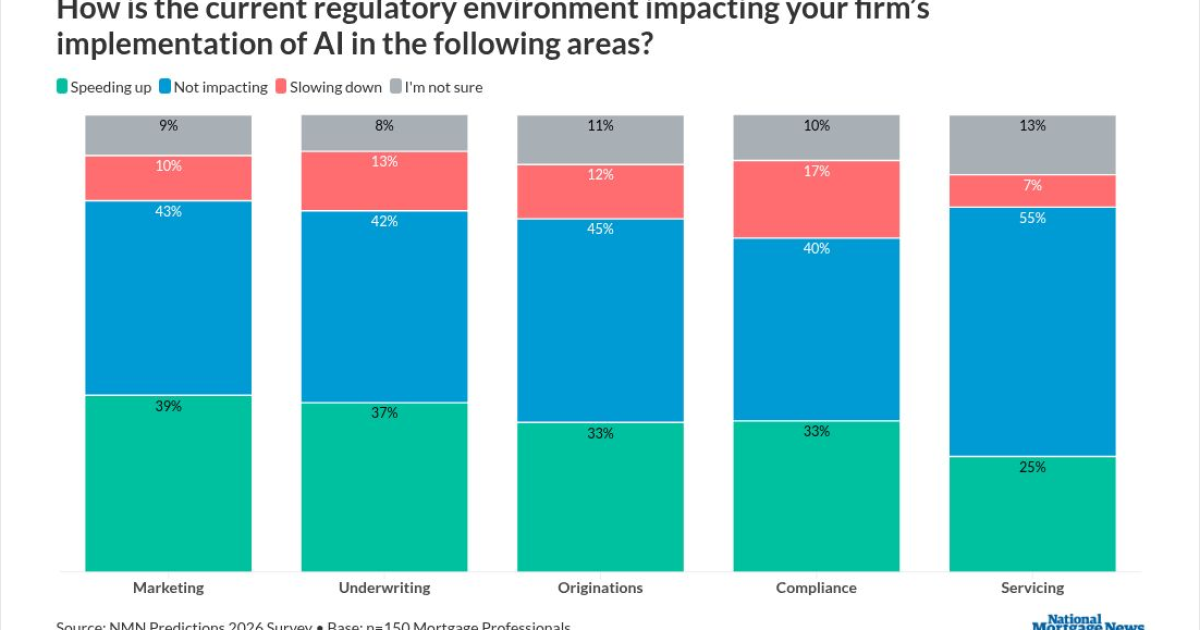
Artificial intelligence is the next regulatory battleground. California is weighing rules for “automated decision underwriting” to prevent algorithmic bias—though lending leaders argue underwriting is inherently based on repayment ability, not personal traits.
Meanwhile, a new executive order from President Trump aims to create a unified federal AI framework that could override state variations. But as Dunn notes, states still hold enormous authority to define their own compliance environments.
Tap to Learn: How AI oversight may reshape underwriting and compliance careers.
What This Means for Industry Professionals
For real estate agents, mortgage lenders, and financial professionals, the message is crystal clear: clarity is the new currency. Whether it comes from federal policy or state‑level rulemaking, staying informed is essential for thriving in a shifting regulatory landscape.
That’s why continued education matters more than ever. Institutions like Cameron Academy help ensure professionals remain compliant, confident, and competitive—no matter how fast the regulatory winds change.
To explore the full original reporting, visit HousingWire for deeper insights and expert analysis.
More Articles
Getting licensed or staying ahead in your career can be a journey—but it doesn’t have to be overwhelming. Grab your favorite coffee or tea, take a moment to relax, and browse through our articles. Whether you’re just starting out or renewing your expertise, we’ve got tips, insights, and advice to keep you moving forward. Here’s to your success—one sip and one step at a time!
Newman Properties, a Massachusetts-based investment firm, has expanded its footprint into Connecticut with the $3.65 million acquisition of a 6,350‑square‑foot retail building in Enfield. Anchored by national restaurant chain Red Robin, the property offers the type of stable tenancy investors seek when entering new markets. The deal underscores growing confidence in anchored retail assets and provides a valuable real-world example for real estate professionals studying market analysis, investment strategy, and portfolio expansion.
JPMorgan now expects national home prices to flatten in 2026, but the Sunbelt is telling a very different story. Florida home values are down 5.1%, Texas is down 2.4%, and analysts warn that years of rapid building are finally catching up to the region. As demand stabilizes and inventory swells, real estate professionals — especially in Florida — face a market full of challenges, opportunities, and critical timing decisions.
Artificial intelligence is finally stepping into the mortgage underwriting spotlight, with 57% of mortgage professionals predicting it will drive the most transformative industry shift in 2026. Thanks to major advancements in language models and workflow automation, AI is now capable of navigating the messy, document-heavy realities that have long slowed underwriting. From faster preapprovals to improved credit analysis and real‑time income verification, AI is streamlining processes while allowing underwriters to focus on true risk management. As regulatory winds shift and grassroots pressure builds within lending teams, the industry is entering a pivotal era where AI‑powered underwriting becomes not just an advantage — but an expectation.
Portland’s top 20 office towers have lost an unprecedented 70% of their value since 2019—plunging from $3 billion to under $1 billion—triggering tax revenue shortfalls, budget crises, and a surge in appeals as the city grapples with its biggest commercial real estate reset in modern history.
South Florida’s luxury real estate market just raised the bar again — this time with a $1 million virtual reality system that lets buyers walk through Dolce & Gabbana’s upcoming Miami tower long before construction wraps. Real estate master’s students were given an immersive look inside the project, discovering how VR is transforming high‑end development, influencing buyer psychology, and shaping the future skills today’s professionals need.
Long Island’s commercial real estate scene is kicking off 2026 with a surge of activity—industrial leases in Medford, neighborhood retail trades in Bohemia, Pizza Hut’s new DELCO expansion in Centereach, mixed‑use acquisitions in Melville, and major investor interest in bank‑leased and franchise-backed properties. From warehouses to restaurant rebrands, these deals highlight a region evolving fast and offering fresh opportunities for agents, investors, and professionals looking to stay ahead in the market.