
Federal Housing Shake‑Ups Push States Into the Driver’s Seat

Housing summit speakers

The housing world is shifting fast, and 2026 is shaping up to be a defining year as federal policy changes ripple through every part of the mortgage and real estate sectors. With Washington pulling back, states are stepping forward—fast.

The original reporting from HousingWire reveals how lenders, servicers and housing professionals are adapting to this complex new landscape. And for students and professionals at Cameron Academy—whether your path is real estate, mortgage lending, or finance—these shifts directly shape the compliance and consumer‑protection standards you’ll work within.

Federal Cuts, Local Consequences

At the 2026 Housing Economic Summit, experts made one thing unmistakably clear: federal reduction doesn’t mean reduced complexity.

The Consumer Financial Protection Bureau (CFPB), facing deep staffing cuts under the Trump administration, has scaled back its oversight. But as Courtenay Dunn, senior director of government affairs at Intercontinental Exchange (ICE), emphasizes, lenders still depend heavily on essential federal tools like the Average Prime Offer Rate (APOR).

“Some of the things the CFPB does—they’re not just examinations,” Dunn explained. “APOR is written into Dodd‑Frank and more than 40 statutes across 27+ states.”

The bottom line: when federal rules shift, states must decide whether to align or chart their own paths.

California Takes the Lead

If one state is stepping into the regulatory void with confidence, it’s California. According to Paul Gigliotti, CEO of the California Mortgage Bankers Association, lawmakers there are accelerating consumer‑protection efforts at record pace.

Fueled by Senate Bill 825, California’s DFPI now wields sweeping authority over companies offering financial services. For lenders, that means navigating a complex web of overlapping federal and state rules.

Tap to Explore: Compare California’s DFPI against your state’s lending regulations.

Affordability Reform Gains Bipartisan Momentum

Despite the high‑stakes election cycle, lawmakers on both sides agree: housing affordability can’t wait. Bills like the ROAD to Housing Act and the Housing for the 21st Century Act seek to increase supply, reduce pressure, and support long‑term affordability.

Still, industry experts warn that balancing consumer protection with affordability is essential—especially for first‑time buyers navigating a volatile market.

AI Regulations: Federal Unity vs. State Innovation

Artificial intelligence is the next regulatory battleground. California is weighing rules for “automated decision underwriting” to prevent algorithmic bias—though lending leaders argue underwriting is inherently based on repayment ability, not personal traits.

Meanwhile, a new executive order from President Trump aims to create a unified federal AI framework that could override state variations. But as Dunn notes, states still hold enormous authority to define their own compliance environments.

Tap to Learn: How AI oversight may reshape underwriting and compliance careers.

What This Means for Industry Professionals

For real estate agents, mortgage lenders, and financial professionals, the message is crystal clear: clarity is the new currency. Whether it comes from federal policy or state‑level rulemaking, staying informed is essential for thriving in a shifting regulatory landscape.

That’s why continued education matters more than ever. Institutions like Cameron Academy help ensure professionals remain compliant, confident, and competitive—no matter how fast the regulatory winds change.

To explore the full original reporting, visit HousingWire for deeper insights and expert analysis.

More Articles

Getting licensed or staying ahead in your career can be a journey—but it doesn’t have to be overwhelming. Grab your favorite coffee or tea, take a moment to relax, and browse through our articles. Whether you’re just starting out or renewing your expertise, we’ve got tips, insights, and advice to keep you moving forward. Here’s to your success—one sip and one step at a time!

2025 Commercial Real Estate Outlook: Navigating a New Era

The commercial real estate landscape is on the brink of transformation as leaders seek to navigate the challenges of recent years and position their organizations for future opportunities.

The Emerging Mental Health Crisis Among Healthcare Workers During the COVID-19 Pandemic

The pandemic has ushered in a wave of mental health challenges that affect healthcare workers profoundly. From the onset of COVID-19, these professionals have been at the forefront, facing immense pressure, long hours, and the constant fear of exposure.

By |December 18, 2024|Categories: Article, Healthcare Workers, Mental Health|Tags: , |0 Comments

Ethical Concerns of Large Language Models in Healthcare

Exploring the dual nature of LLMs offers substantial benefits in healthcare but also raises significant ethical concerns, underscoring the need for well-defined guidelines and human oversight.

The Role of Wearable Devices in Chronic Disease Monitoring and Patient Care: A Comprehensive Review

Wearable devices have become integral in managing chronic conditions by providing continuous health data, empowering patients and healthcare professionals with insights that were previously unattainable.

AI Training Mandates: Navigating Legal Waters in Dentistry

The integration of artificial intelligence (AI) into dental practices is more than a technological trend; it represents a seismic shift in the industry. This transformation is reshaping skill sets and prompting a thorough examination of legal and ethical implications.

By |December 17, 2024|Categories: Article, Legal, Technology|Tags: , |0 Comments

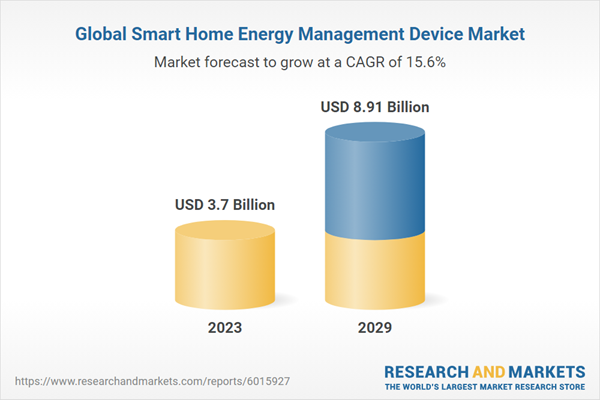
Smart Home Energy Management Devices: A Market Poised for Growth

The Global Smart Home Energy Management Device Market is on the brink of a significant transformation, driven by escalating demands for energy-efficient solutions and the increasing adoption of smart home technologies.