Federal Housing Shake‑Ups Push States Into the Driver’s Seat
The housing world is shifting fast, and 2026 is shaping up to be a defining year as federal policy changes ripple through every part of the mortgage and real estate sectors. With Washington pulling back, states are stepping forward—fast.
The original reporting from HousingWire reveals how lenders, servicers and housing professionals are adapting to this complex new landscape. And for students and professionals at Cameron Academy—whether your path is real estate, mortgage lending, or finance—these shifts directly shape the compliance and consumer‑protection standards you’ll work within.
Federal Cuts, Local Consequences
At the 2026 Housing Economic Summit, experts made one thing unmistakably clear: federal reduction doesn’t mean reduced complexity.
The Consumer Financial Protection Bureau (CFPB), facing deep staffing cuts under the Trump administration, has scaled back its oversight. But as Courtenay Dunn, senior director of government affairs at Intercontinental Exchange (ICE), emphasizes, lenders still depend heavily on essential federal tools like the Average Prime Offer Rate (APOR).
“Some of the things the CFPB does—they’re not just examinations,” Dunn explained. “APOR is written into Dodd‑Frank and more than 40 statutes across 27+ states.”
The bottom line: when federal rules shift, states must decide whether to align or chart their own paths.
California Takes the Lead
If one state is stepping into the regulatory void with confidence, it’s California. According to Paul Gigliotti, CEO of the California Mortgage Bankers Association, lawmakers there are accelerating consumer‑protection efforts at record pace.
Fueled by Senate Bill 825, California’s DFPI now wields sweeping authority over companies offering financial services. For lenders, that means navigating a complex web of overlapping federal and state rules.
Tap to Explore: Compare California’s DFPI against your state’s lending regulations.
Affordability Reform Gains Bipartisan Momentum
Despite the high‑stakes election cycle, lawmakers on both sides agree: housing affordability can’t wait. Bills like the ROAD to Housing Act and the Housing for the 21st Century Act seek to increase supply, reduce pressure, and support long‑term affordability.
Still, industry experts warn that balancing consumer protection with affordability is essential—especially for first‑time buyers navigating a volatile market.
AI Regulations: Federal Unity vs. State Innovation
Artificial intelligence is the next regulatory battleground. California is weighing rules for “automated decision underwriting” to prevent algorithmic bias—though lending leaders argue underwriting is inherently based on repayment ability, not personal traits.
Meanwhile, a new executive order from President Trump aims to create a unified federal AI framework that could override state variations. But as Dunn notes, states still hold enormous authority to define their own compliance environments.
Tap to Learn: How AI oversight may reshape underwriting and compliance careers.
What This Means for Industry Professionals
For real estate agents, mortgage lenders, and financial professionals, the message is crystal clear: clarity is the new currency. Whether it comes from federal policy or state‑level rulemaking, staying informed is essential for thriving in a shifting regulatory landscape.
That’s why continued education matters more than ever. Institutions like Cameron Academy help ensure professionals remain compliant, confident, and competitive—no matter how fast the regulatory winds change.
To explore the full original reporting, visit HousingWire for deeper insights and expert analysis.
More Articles
Getting licensed or staying ahead in your career can be a journey—but it doesn’t have to be overwhelming. Grab your favorite coffee or tea, take a moment to relax, and browse through our articles. Whether you’re just starting out or renewing your expertise, we’ve got tips, insights, and advice to keep you moving forward. Here’s to your success—one sip and one step at a time!
Just 48 hours after NAR unveiled major revisions to its MLS policies, plaintiffs in the Michigan-based Hardy lawsuit moved to use those changes as evidence, arguing they prove NAR’s prior rules were anticompetitive. NAR denies any wrongdoing, but the case is quickly becoming a key test for whether MLS access should require Realtor membership — a question now echoing across multiple states and potentially reshaping how real estate professionals nationwide access the industry’s most essential tool.
Florida homeowners are now paying some of the highest insurance premiums in the country, with average costs topping $5,800 per year—nearly double the national average. Residents report skyrocketing rates, denied claims, and tough choices between costly coverage and financial risk. As frustration grows, lawmakers and consumer advocates are pushing new reforms aimed at increasing transparency, capping rate hikes, and protecting policyholders in one of the nation’s most volatile insurance markets.
Economic uncertainty, rapid AI adoption, tighter capital flows, and rising portfolio risk are reshaping the 2026 commercial real estate landscape. From shifting workforce patterns to a national housing attainability crisis, the industry is entering a data‑driven, fundamentals‑focused era—making adaptability, education, and tech literacy essential for real estate professionals.
Mortgage rates have climbed to 6.23 percent as investors grow doubtful that the Federal Reserve will deliver a rate cut in December. A soft but unclear jobs report and persistent inflation have pushed borrowing costs higher, reversing October’s brief relief in the housing market. Real estate and mortgage professionals should prepare clients for continued volatility as the Fed’s December meeting approaches.
After years of tight inventory, high mortgage rates, and sluggish sales, economists say 2026 is shaping up to be the turnaround real estate professionals have been waiting for. NAR projects a 14 percent jump in home sales, mortgage rates easing toward 6 percent, and buyer demand finally gaining momentum. While higher‑end homes are moving quickly, first‑time buyers continue to face affordability challenges, and price reductions are reappearing as sellers adjust to shifting conditions. For Florida agents, brokers, and newcomers, the stage is being set for a busy and opportunity‑rich year.
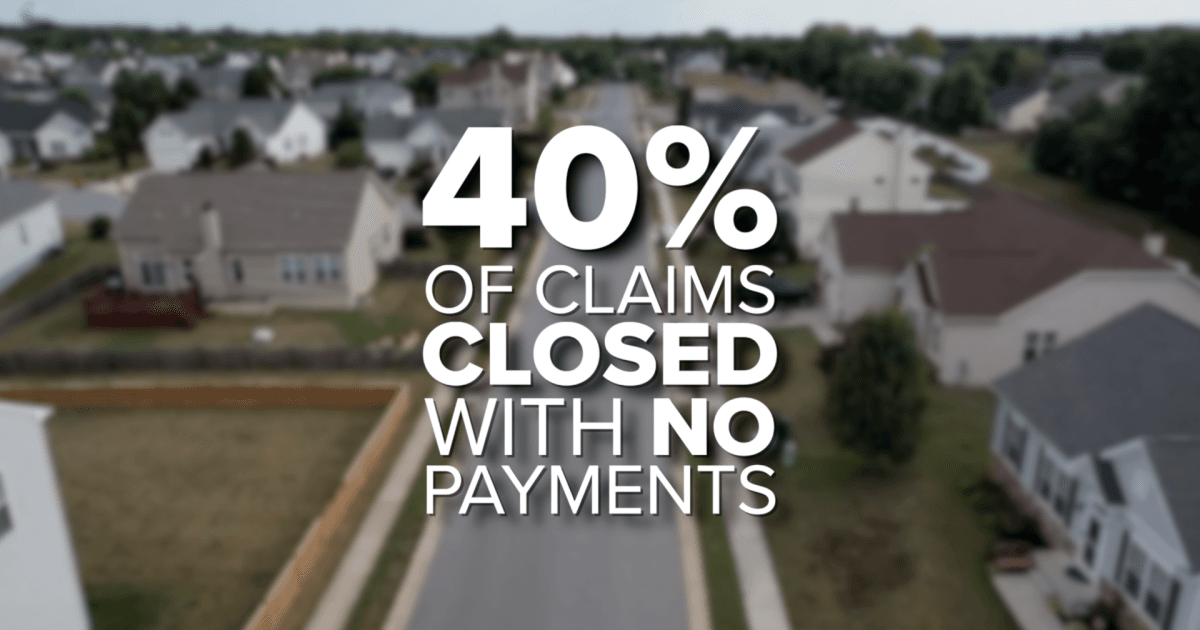
Florida’s average homeowner insurance premium has soared to $5,838 a year—almost $3,000 above the national average—pushing many residents to the financial brink. From tripled premiums to lowball claim payouts, homeowners are speaking out as frustration mounts. Some are even dropping coverage entirely. With more than 40% of claims closed without payment and policy cancellations at record levels, lawmakers are pushing for reforms, but political hurdles remain. The outcome could reshape Florida real estate, insurance, and mortgage markets for years to come.